

Brands Use Digital Collectibles to Incentivize First-Party Data


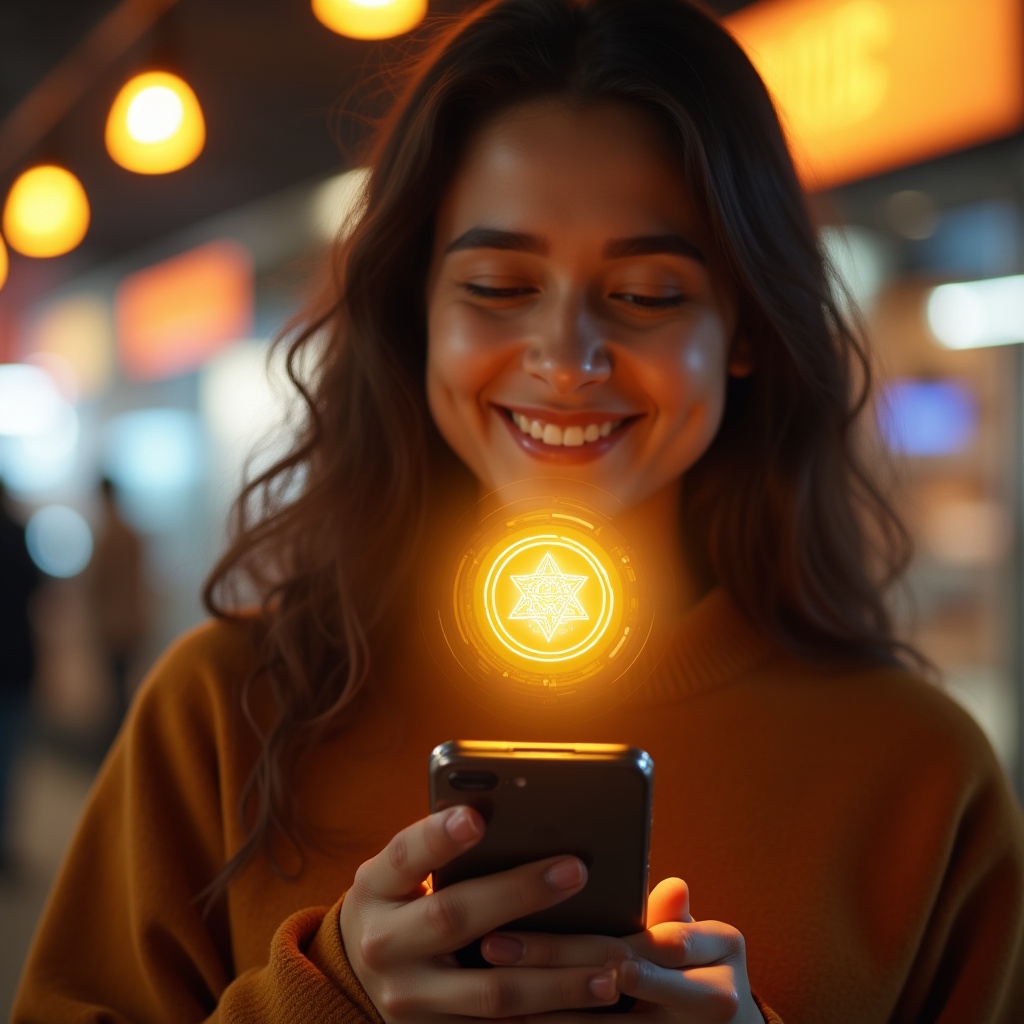
In 2025, brands use digital collectibles to incentivize first-party data as a bold and innovative strategy in response to the evolving digital privacy landscape. With the gradual decline of third-party cookies and rising user expectations around transparency and personalization, marketers are turning to blockchain-based rewards to bridge the trust gap and gather consent-driven customer insights.
Why Brands Use Digital Collectibles to Incentivize First-Party Data
Digital collectibles are unique, verifiable virtual assets stored on the blockchain. These assets—often in the form of branded NFTs—are increasingly offered to users as exclusive rewards for sharing information like email addresses, purchase preferences, or demographic details. This exchange of value empowers brands to collect richer data directly from their customers, while offering users tangible, digital benefits they can own and even trade.
This shift aligns with Web3 marketing strategies, enabling brands to form more transparent, community-driven relationships with their audiences. Consumers are no longer passive data sources—they become engaged participants in a mutually beneficial ecosystem.
Key Advantages
1. Loyalty Programs with NFTs
Retailers and global brands are reinventing loyalty programs using NFT-based collectibles. For example, a customer who completes a challenge—such as checking in at a physical store or referring friends—may receive a limited-edition digital badge or token. These rewards can unlock early access to sales, exclusive product drops, or VIP event invites.
This strategy taps into gamified brand experiences, driving higher customer retention and voluntary data sharing through fun, competitive, and rewarding interactions.
2. Blockchain-Based Customer Engagement
Digital collectibles offer transparent, traceable engagement data. When brands use digital collectibles to incentivize first-party data, they gain access to blockchain-verified user actions—such as ownership transfers, redemptions, or social sharing. This helps marketers understand their audiences in deeper ways and build better-targeted campaigns.
Starbucks’ “Odyssey” program is a real-world example, offering customers interactive journeys that reward participation with collectible NFTs—helping the company gather first-party insights and enhance brand loyalty.
3. First-Party Data Exchange at Scale
Unlike traditional forms, blockchain technology enables brands to scale data collection efforts across platforms and devices while maintaining user privacy. When customers consent to share data in exchange for a collectible, brands can unify user behavior across touchpoints, creating a clear picture of the full customer journey.
This helps resolve common challenges in omnichannel marketing and supports first-party data exchange in a privacy-complaint and engaging way.
4. Community Building with Ownership
When brands use digital collectibles to incentivize first-party data, they do more than collect information—they create emotional connections. Owning a digital collectible that represents an experience, a product launch, or a fan moment helps consumers feel included in a brand’s story.
Brands like Nike and Adidas have released limited-run virtual sneakers that fans can “wear” in the metaverse, use for exclusive offers, or display in AR. This sense of belonging encourages repeat engagement and strengthens brand affinity.
5. Web3 Marketing Strategies for the Cookieless Future
The deprecation of cookies is forcing brands to innovate. Digital collectibles offer an interactive, opt-in path forward. Unlike static lead-gen forms, collectibles spark curiosity and creativity—users want to share data when the reward is meaningful.
As regulators push for stronger privacy rules, Web3 marketing strategies like digital collectibles provide brands with a competitive edge. They deliver compliant, consent-based data collection methods while standing out in a crowded digital marketplace.
How Digital Collectibles Are Redefining Data Exchange
Brands use digital collectibles to incentivize first-party data by combining blockchain technology, gamification, and transparent value exchange. This strategy empowers consumers while helping marketers build trust, enrich data insights, and drive long-term loyalty.
As this trend grows, expect to see more brands integrating collectibles into CRM systems, loyalty programs, and community engagement initiatives. With the right creative and technical approach, digital collectibles are becoming a cornerstone of privacy-first, future-ready marketing.
Unlock Smarter First-Party Data with Digilogy’s Web3 Solutions
At Digilogy, we help brands unlock the power of digital collectibles, Web3 tools, and privacy-first marketing strategies. Whether you’re launching NFT loyalty programs or building personalized customer journeys powered by blockchain, our team is here to guide you every step of the way.
Looking to level up your first-party data strategy with innovative tech? Let Digilogy show you how.