

The Future of Influencer Marketing: Trends to Watch


The landscape of digital marketing has evolved rapidly, with influencer marketing emerging as a major player in how brands connect with audiences. Leveraging the reach and engagement of influencers, businesses can enhance their brand visibility, boost credibility, and reach target demographics more effectively. As we move forward, understanding the future of influencer marketing is crucial to staying ahead of the curve.
Influencer marketing is not just about finding individuals with large followings. It is about authenticity, relevance, and creating value-driven collaborations. The shift from traditional advertising to influencer partnerships is being shaped by a variety of emerging trends and strategies that are set to dominate the digital marketing scene in the coming years.
Key Influencer Marketing Trends to Watch
The influencer marketing trends of the future are being driven by changes in consumer behavior, technological advancements, and the evolving nature of social media. Let’s explore some key trends shaping the future:
1. The Rise of Micro-Influencers
One of the significant emerging trends in influencer marketing is the rise of micro-influencers. Unlike celebrities or mega-influencers, micro-influencers have smaller but highly engaged audiences. They are often seen as more relatable and authentic, making them valuable assets for brands looking to build genuine connections with their target customers. This trend emphasizes the shift towards quality over quantity in influencer partnerships.
For example, instead of partnering with a celebrity with millions of followers, a skincare brand might choose to collaborate with several micro-influencers who have niche audiences interested in skincare tips and routines. These smaller influencers often have a stronger bond with their followers, which translates to higher engagement and more impactful brand messaging.
2. Long-Term Partnerships and Ambassadorships
Brands are increasingly focusing on building long-term relationships with influencers rather than one-off collaborations. This approach helps create a consistent brand narrative and establishes a deeper sense of trust among audiences. Micro-influencers and brand partnerships based on long-term commitments foster loyalty and allow brands to achieve sustained visibility in the market.
These partnerships often evolve into brand ambassadorships, where influencers become the face of the brand, creating ongoing content that aligns with the company’s messaging. This strategy not only strengthens the brand’s authenticity but also enables influencers to craft a narrative that resonates more effectively with their audience.
To explore other emerging technologies impacting digital marketing, consider reading our piece on the impact of AI on digital marketing strategies, which offers insights into AI’s transformative role in the industry.
3. Emphasis on Authenticity and Transparency
The digital landscape is becoming increasingly focused on authenticity. Consumers are more informed and critical of brands, making authenticity crucial for maintaining trust. Influencers who prioritize transparency in their collaborations and communicate genuine experiences resonate more with their audiences. As a result, brands are seeking influencers who align with their values and can provide authentic endorsements.
This shift towards authenticity is also impacting social media influencer strategies, with influencers being encouraged to disclose partnerships and sponsored content clearly. Consumers value honesty, and influencers who are upfront about their collaborations are more likely to gain trust and loyalty. A report on best practices for influencer marketing highlights how transparency and authentic connections are becoming essential for successful brand-influencer collaborations.
4. Focus on Video Content and Interactive Experiences
Video content continues to be a dominant force in digital marketing, and influencer marketing is no exception. Platforms like Instagram, YouTube, and TikTok have capitalized on this trend, enabling influencers to engage audiences through live videos, stories, and short-form clips. Video content offers a more immersive experience and allows influencers to connect with their audience on a personal level.
As part of AR trends in digital marketing, the integration of augmented reality (AR) and other interactive elements in influencer campaigns is also gaining traction. AR-powered filters, branded effects, and interactive experiences help create memorable engagements, making it easier for brands to connect with their target customers in innovative ways.
5. Data-Driven Influencer Marketing
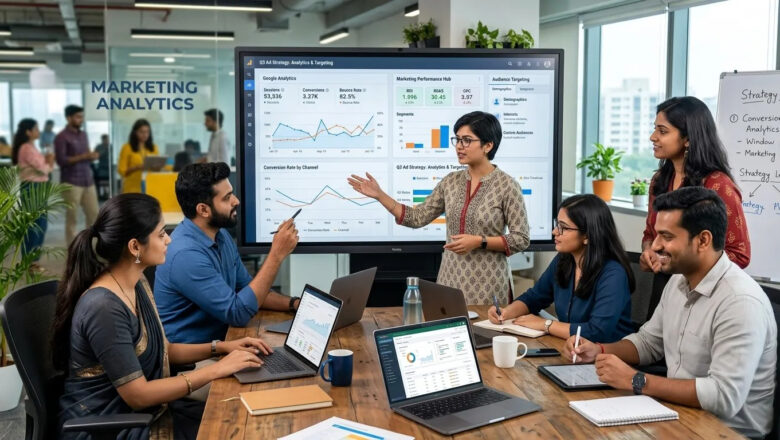
Data analytics is playing a growing role in shaping influencer marketing strategies. Brands are increasingly leveraging data to identify the right influencers, measure campaign effectiveness, and optimize content strategies. By using tools and platforms that provide detailed insights into audience demographics, engagement rates, and conversion metrics, marketers can make informed decisions and refine their approaches.
With this trend, influencer campaigns are becoming more result-oriented, and brands are expecting a measurable return on investment (ROI) from their collaborations. This shift is influencing social media influencer strategies, as marketers focus on selecting influencers based on data-backed insights rather than vanity metrics like follower count.
The Future of Digital Marketing: Key Trends
The future of influencer marketing is closely tied to the broader trends shaping digital marketing. As influencer marketing evolves, businesses need to stay updated on these key trends to maintain relevance:
Integration of Influencer Marketing with E-Commerce
The integration of influencer marketing with e-commerce is one of the most exciting developments in the digital marketing space. Social media platforms like Instagram and TikTok are introducing features that allow users to shop directly from influencers’ posts, making the customer journey seamless. This trend is transforming how brands drive sales and engage consumers.
By incorporating features such as in-app shopping and shoppable links, influencers can guide their audiences through the purchase process, from discovery to conversion. This integration is particularly effective for micro-influencers and brand partnerships, as smaller influencers often have strong credibility within their niches, making their product recommendations more impactful.
Niche Influencer Communities
Another emerging trend in influencer marketing is the rise of niche influencer communities. As audiences become more fragmented, brands are focusing on building targeted partnerships with influencers who cater to specific interests and subcultures. This approach allows businesses to connect with highly engaged communities and deliver tailored messages that resonate deeply.
For instance, a fitness brand may partner with influencers in the CrossFit community to reach fitness enthusiasts with specific interests. By tapping into these niche communities, brands can drive more meaningful engagement and build stronger connections with their target audience.
How Digilogy Can Help
Navigating the changing landscape of influencer marketing requires expertise and a forward-thinking approach. Digilogy, a leader in digital marketing solutions, helps businesses stay ahead by developing tailored strategies that leverage emerging trends in influencer marketing. From identifying the right influencers to implementing data-driven campaigns, Digilogy offers end-to-end support to enhance your brand’s reach and impact.
Implementing Successful Social Media Influencer Strategies
To successfully implement influencer campaigns, brands need to stay updated on the latest influencer marketing trends and best practices. Here are some actionable steps for businesses looking to elevate their influencer marketing efforts:
- Identify the Right Influencers
Selecting influencers who align with your brand values and have a genuine connection with your target audience is crucial. Look beyond follower counts and focus on engagement rates and the authenticity of their content. - Set Clear Objectives
Setting certain goals is crucial prior to initiating an influencer campaign. Whether you aim to boost brand awareness, increase conversions, or build credibility, having specific goals will guide your strategy. - Measure and Optimize
As with any digital marketing initiative, measuring performance is key to success. Use analytics tools to track engagement, conversions, and ROI, and continuously optimize your campaigns based on the data collected.
To learn more about improving customer interactions, check out our article on how to use chatbots for enhanced customer engagement, which explores strategies to enhance your customer experience.
Conclusion
The future of influencer marketing is dynamic, with trends like micro-influencers, authenticity, and data-driven strategies shaping its evolution. As brands continue to explore new ways to connect with their audiences, staying updated on these trends will be key to success.
Ready to elevate your influencer marketing strategy? Contact Digilogy today to discover tailored solutions that can help you leverage emerging trends, build impactful partnerships, and achieve your marketing goals.