

E-commerce Shopping Behavior in India Shifts: Personalization and Convenience Rule 2025


Introduction
The e-commerce shopping behavior of Indian consumers is rapidly shifting as personalization and convenience become the dominant drivers of purchasing decisions. With more consumers turning to digital shopping platforms, brands must adapt to meet the evolving expectations of tech-savvy shoppers who demand tailored experiences, fast services, and seamless transactions. In 2025, these factors are no longer optional but essential for capturing the attention and loyalty of the modern Indian shopper.
The Rise of Personalization in E-commerce
Customization Through Data and AI
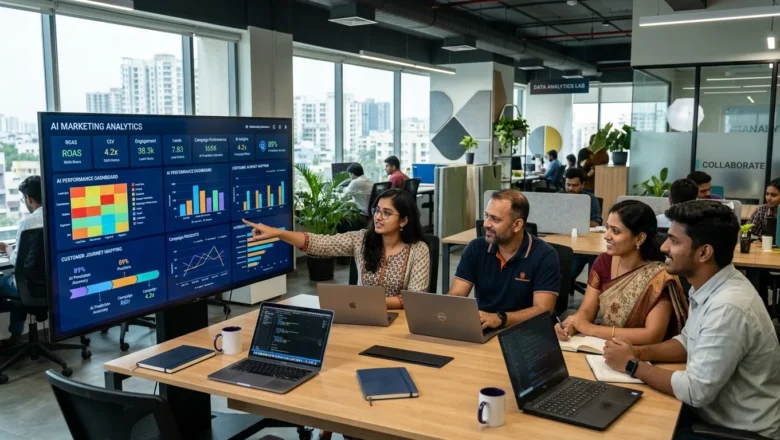
Personalization has become a cornerstone of modern e-commerce strategies. Indian shoppers, like their global counterparts, are seeking tailored experiences that align with their unique preferences and purchasing history. Advances in AI and machine learning enable e-commerce platforms to analyze vast amounts of data, from browsing history to transaction patterns, in order to deliver personalized recommendations, targeted offers, and dynamic content.
This hyper-personalized approach improves user experience by showing relevant products and promotions, significantly increasing the likelihood of conversions. For example, e-commerce giants like Amazon and Flipkart in India are leveraging AI-driven algorithms to offer product suggestions that feel relevant, timely, and tailored to the consumer’s preferences. This trend is especially important in a diverse market like India, where consumer needs and preferences vary widely.
The Need for Localized Personalization
Personalization goes beyond just product recommendations. Indian consumers expect an experience that resonates with their local culture, language, and buying habits. For example, offering localized product descriptions, addressing local needs (like regional delivery options), and providing regional language support can enhance the user experience and boost engagement.
Platforms that localize their marketing efforts and offer a personalized touch that resonates with different states and communities are more likely to win the loyalty of India’s diverse consumer base.
Speed and Convenience: The Pillars of Modern E-Commerce
Quick Delivery and Instant Gratification
One of the key factors driving the shift towards online-first shopping is the demand for convenience. Consumers expect quick delivery times, easy returns, and frictionless checkout processes. The convenience of online shopping has increased the desire for instant gratification, with same-day or next-day deliveries becoming the norm for many e-commerce platforms.
For Indian consumers, the speed of delivery plays a critical role in influencing their purchase decisions. With platforms like Zomato and Swiggy offering instant access to products and services, consumers are now accustomed to receiving their purchases faster than ever. E-commerce platforms in India are responding by optimizing their logistics networks and offering faster delivery options.
Streamlined Shopping Experiences
In addition to faster delivery, consumers expect a seamless, hassle-free shopping experience. This includes easy navigation, secure payment gateways, and efficient customer service. Mobile-first shopping experiences are crucial in India, where a significant percentage of consumers access e-commerce sites via their smartphones. Platforms that offer mobile-optimized websites, apps with quick loading times, and one-click purchasing are better positioned to capture the attention of busy consumers.
The ease of using apps, seamless transitions between different platforms, and simplified payment methods such as UPI (Unified Payments Interface) or digital wallets have all contributed to an environment of convenience that modern consumers demand.
Why Privacy and Data Security are Non-Negotiable
As e-commerce continues to grow in India, so do concerns about privacy and data security. With rising awareness of data breaches and the misuse of personal information, consumers are increasingly cautious about where and how they share their data. In 2025, trust is paramount.
Brands that prioritize data security and transparency in how consumer data is handled are more likely to build long-term trust with their customers. Offering robust privacy policies, secure payment systems, and clear communication about data usage can help businesses in India differentiate themselves in an increasingly competitive market.
What This Shift Means for E-Commerce Businesses
The Need for Agile Marketing Strategies
To adapt to the shift in consumer behavior, businesses must adopt agile marketing strategies that focus on delivering personalized experiences while maintaining high levels of convenience. Investing in AI and machine learning to offer dynamic product recommendations, localized content, and personalized promotions is key.
Businesses should also focus on optimizing their logistics and delivery systems to meet the growing demand for faster services. Offering flexible delivery options, from same-day delivery to scheduled slots, can improve customer satisfaction and drive repeat business.
The Importance of Omnichannel Experiences
With consumers using multiple devices to shop—smartphones, tablets, and desktops—it’s crucial for businesses to create omnichannel experiences that ensure seamless transitions between platforms. Providing consistent branding, messaging, and shopping experiences across channels will help businesses engage customers at every touchpoint.
The Future of E-Commerce in India
As we look ahead to 2025 and beyond, personalization, speed, and privacy will continue to shape consumer behavior in India. The growing demand for tailored experiences, fast delivery, and secure transactions presents a huge opportunity for businesses to enhance their digital marketing strategies. Those who embrace these changes and invest in technology to meet consumer expectations will be well-positioned to lead in the competitive Indian e-commerce market.
Frequently Asked Questions
How is personalization transforming e-commerce in India?
A1: Personalization in e-commerce is transforming the Indian market by using AI and machine learning to deliver customized product recommendations, targeted promotions, and tailored shopping experiences. This leads to higher engagement and conversion rates.
Why is convenience so important for Indian e-commerce consumers?
A2: Convenience is a major factor in online shopping as consumers demand fast delivery, easy returns, and seamless checkout. In India, where mobile shopping is on the rise, platforms must optimize for speed, mobile-friendly experiences, and frictionless transactions.
How can businesses build trust with consumers in India?
A3: By prioritizing data privacy and security, businesses can build trust with Indian consumers. Clear communication about how consumer data is used, secure payment systems, and robust privacy policies are essential to gain and retain customer loyalty.
Conclusion
The e-commerce landscape in India is rapidly evolving, with consumers prioritizing personalization, convenience, and privacy more than ever before. Businesses that adapt to these shifts by investing in AI-driven personalization, offering faster services, and ensuring data security will be able to capture the attention and loyalty of modern shoppers. In an increasingly competitive market, staying ahead of these trends is crucial for success.
If you’re looking to enhance your digital strategy and deliver personalized, seamless experiences to your customers, discover how Digilogy can help. Our expert team can guide you in optimizing your e-commerce marketing efforts to meet the demands of India’s modern online shoppers.
Lorem ipsum dolor sit amet, consectetur adipiscing elit. Ut elit tellus, luctus nec ullamcorper mattis, pulvinar dapibus leo.