

WhatsApp Business Communication Channel Gains Momentum in India as Messaging Drives Higher Engagement

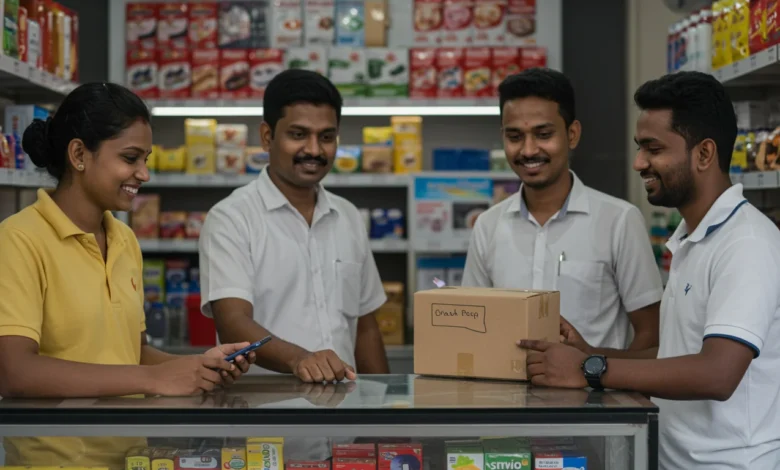
Recently, the WhatsApp Business communication channel has become central to how brands reach customers in India, especially during high-intent periods like year-end shopping and service spikes. Industry reports point to stronger engagement than traditional channels, pushing companies to treat messaging as a primary path for discovery, support, and sales.
Key Developments
Messaging is increasingly being positioned as the fastest route to customer attention. WhatsApp’s own business guidance cites an average open rate that is far higher than email, helping explain why brands prioritise WhatsApp for time-sensitive updates and conversion-led campaigns.
Growth signals are also visible in app usage. Recent market estimates indicate that WhatsApp Business adoption in India has expanded significantly since 2021, suggesting more small businesses and brands are treating WhatsApp as a daily operating layer, not a secondary support tool.
Engagement patterns reinforce this shift. Late-2025 estimates also point to heavy daily time spent on WhatsApp among Indian users, supporting the view that messaging is where customers already are—reducing the friction of switching platforms mid-journey.
On the marketing side, research-led commentary highlights measurable lifts when WhatsApp is used as a channel in customer engagement planning. Instead of one-way promotions, brands are building conversational flows that guide users from enquiry to purchase and repeat ordering.
Industry & Expert Context
The shift to the WhatsApp Business communication channel is tied to India’s mobile-first behaviour. Consumers increasingly expect instant replies, clear product information, and quick resolution without waiting for email threads or call queues.
WhatsApp Business tools have also matured beyond basic chat. Features such as catalogues, automated messaging, interactive journeys, and guided steps support commerce-style experiences inside conversations—particularly useful for retail, D2C, travel, and financial services.
Another driver is trust and identity. Verified business accounts and consistent brand tone can reduce hesitation, especially in categories where users share documents, addresses, or service requirements.
December often amplifies this behaviour. Brands face higher inbound queries, delivery-related questions, appointment demand, and gifting decisions. Messaging works well because it compresses the time between intent and action, while also supporting richer media like images, videos, and PDFs.
Digilogy tracks this as an industry observer because it changes how performance, retention, and customer experience strategies are built—messaging is no longer only a support layer; it’s increasingly part of the growth engine.
Why This Matters
For customers, messaging feels simpler. They can ask questions, compare options, and receive confirmations in one thread, without logging into portals or waiting for long replies.
For businesses, the WhatsApp Business communication channel can improve efficiency. Higher visibility on messages often means faster responses, fewer drop-offs, and a clearer path to conversion—especially when conversations are structured with automation and routing.
For marketing teams, the channel changes measurement. Instead of only tracking clicks, teams are tracking conversation starts, qualified leads from chat, purchase completions, and repeat engagement triggered by segmented messaging.
For support and operations, WhatsApp can also lower cost-to-serve by reducing call volume and standardising responses through templates, quick replies, and guided flows.
What Happens Next
Expect more brands to formalise WhatsApp into their core lifecycle planning—welcome journeys, cart recovery, order updates, service reminders, feedback requests, and reactivation campaigns.
There will also be more focus on compliance and user consent, since messaging requires permission-based engagement and careful frequency control to avoid spam perception.
Finally, businesses are likely to invest more in conversation design: better scripts, regional-language messaging, richer product stories, and automation that feels human—because the quality of the chat experience will increasingly determine outcomes.
Final Takeaway
The WhatsApp Business communication channel is moving from “nice to have” to “must-run” for Indian brands, particularly when speed, clarity, and conversion matter. If you’re planning WhatsApp-led journeys for engagement, retention, or lead generation, you can place your Digilogy and want to build a WhatsApp Business communication Contact Digilogy today.
FAQs
Why is WhatsApp becoming a leading business communication channel in India?
Because customers already spend significant time on WhatsApp, and message visibility is high. That makes it easier for businesses to resolve queries quickly and guide users to purchase without switching platforms.
What types of businesses benefit most from WhatsApp Business?
Retail, D2C, service businesses, clinics, salons, travel, and financial services benefit most—anywhere customers need quick answers, confirmations, documents, or repeat reminders through a simple conversational flow.
How should brands use WhatsApp without spamming users?
Use opt-in, segment audiences, control frequency, and send messages that match intent (support, updates, reminders). Combine automation with clear escalation to humans so users feel helped, not pushed.