

WhatsApp Increased Rejection Rates for Marketing Templates Using Urgency Triggers

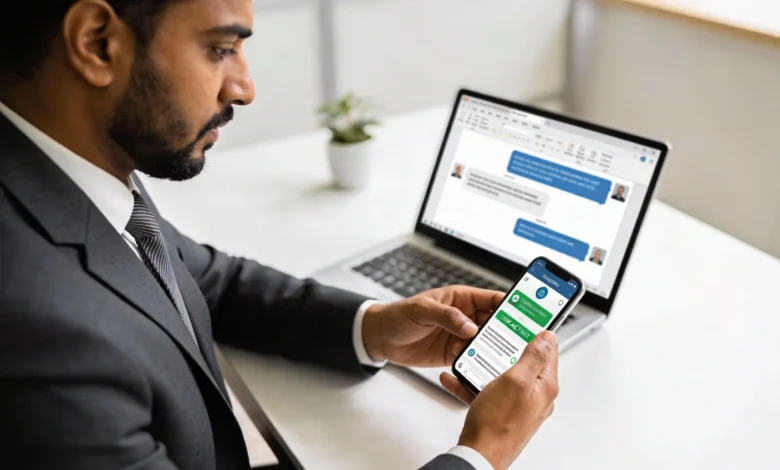
WhatsApp has recently increased rejection rates for marketing templates that rely on urgency-driven or high-pressure language. According to recent reports, the move is part of a broader effort by Meta to reduce spam and improve message quality across the platform.
Templates that attempt to push immediate action without clear, user-expected value are now facing stricter scrutiny during the approval process.
Why Urgency Triggers Are Being Flagged More Often
WhatsApp’s review systems are actively identifying phrases that create artificial pressure or misleading urgency. Messages using terms such as “limited-time deal,” “hurry,” or “offer ends soon” are frequently flagged as deceptive or spam-like.
The platform has clarified that urgency alone is not acceptable unless the message is directly tied to a genuine, user-initiated action or essential update.
Common Reasons Marketing Templates Are Rejected
Meta evaluates every template submission to ensure compliance with WhatsApp’s messaging policies. Rejections commonly occur due to multiple issues, not urgency alone.
Key rejection triggers include:
Incorrect category selection between marketing and utility
Promotional language inside non-marketing templates
Formatting errors such as mismatched variables or placeholders
Vague or unclear message purpose
Use of shortened or unverified URLs
Requests for sensitive personal or financial information
Threatening, misleading, or high-pressure language
Templates that appear generic or broadcast-style without clear relevance are increasingly unlikely to be approved.
Misuse of Utility Templates Faces Stricter Action
Utility templates are strictly reserved for transactional communication such as order updates, payment confirmations, or account alerts. Using them to include offers, discounts, or promotional nudges is now explicitly prohibited.
WhatsApp has begun automatically reclassifying such templates from utility to marketing. In more severe cases, templates are rejected outright, preventing further use.
WhatsApp Business API Policy Changes Reshaping Messaging in 2025
Meta has introduced multiple changes to the WhatsApp Business API to enforce transparency and reduce misuse.
One major shift is the move from conversation-based pricing to per-message pricing for template messages. Each delivered template message is now charged individually based on category and destination.
However, messages sent within an active customer service window remain free. Utility templates delivered during this window are also not charged, reinforcing WhatsApp’s push toward service-led communication.
Engagement and Opt-In Now Influence Delivery
Opt-in compliance has become mandatory for all marketing communication. Templates sent without explicit user consent are more likely to be rejected or blocked from delivery.
Message delivery is also influenced by prior engagement. Low response rates, message blocks, or negative feedback reduce future delivery probability and increase review scrutiny.
WhatsApp has additionally introduced in-app preference controls, allowing users to limit or disable marketing messages entirely.
Quality Ratings and Long-Term Account Impact
Templates that receive repeated negative feedback are assigned lower quality ratings. Once a template reaches a low-quality status, it is automatically paused.
Continued use of poor-quality templates across campaigns can affect the entire business number, leading to reduced messaging limits and higher rejection rates across future submissions.
What This Means for Businesses Using WhatsApp Marketing
The shift signals a clear move away from volume-driven promotional messaging. WhatsApp is prioritizing relevance, consent, and clarity over urgency-based persuasion.
Businesses are expected to design templates that are:
Expected by the user
Clearly categorized
Informational or service-driven
Free from pressure tactics
FAQs
Why is WhatsApp rejecting urgency-based marketing templates?
WhatsApp considers forced urgency misleading and spam-like. Messages that pressure users without clear value or consent are flagged to protect user experience.
Can marketing messages be sent using utility templates?
No. Utility templates are limited to transactional updates. Including promotional language results in rejection or automatic reclassification.
Does urgency always lead to template rejection?
Not always. Urgency is allowed only when it is directly tied to a real user action or essential service update.
How do template rejections affect message costs?
Rejected or reclassified templates may fall under marketing pricing, increasing overall messaging costs.
What happens if a template quality rating drops to low?
Low-quality templates are paused automatically, and continued misuse can reduce account-level messaging limits.
Final Takeaway:
As WhatsApp enforces stricter template standards, businesses are being pushed toward transparent, consent-driven communication. Digilogy tracks these industry developments closely, helping brands understand how evolving platform rules affect messaging strategy and digital engagement.
For ongoing updates and insights, visit the Digilogy News page.