


Omnichannel Analytics Reveal Hidden Growth Insights

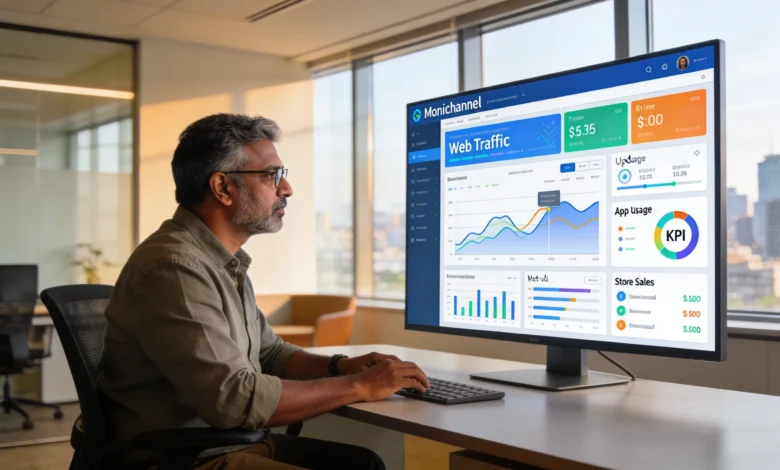
Omnichannel analytics is emerging as the intelligence backbone of modern customer strategy. As journeys become nonlinear and fragmented, brands are unifying web, app, in-store, and social data to gain a 360-degree customer view.
According to recent reports, the global omnichannel analytics market is projected to reach USD 27.8 billion by 2030, reflecting its strategic importance in marketing, sales, and operations.
Why Omnichannel Analytics Is Now a Core Business Capability
Customer interactions no longer follow a straight line. A social media ad may trigger website research, followed by an in-store visit, and later an online purchase.
Without omnichannel analytics, businesses often over-credit final touchpoints while undervaluing discovery-stage channels. This misallocation leads to inefficient marketing spend and incomplete attribution models.
A unified data framework ensures every interaction is measured within the broader journey context.
Hidden Growth Insights Revealed Through Cross-Channel Intelligence
Omnichannel analytics uncovers patterns that single-channel models miss:
- How early-stage content influences final purchase decisions
- Which channels contribute to assisted conversions
- Where customers drop off between devices
- How online research impacts in-store buying behavior
Research from Think with Google highlights that a significant percentage of consumers research online before visiting physical stores, underscoring the interconnected nature of channels.
These insights enable more accurate marketing attribution and smarter budget allocation.
AI and Cloud Power the Next Phase of Omnichannel Analytics
AI-driven omnichannel analytics transforms raw data into predictive intelligence.
Key AI-enabled capabilities include:
- Predictive segmentation: Identifies high-value customer clusters
- Dynamic content personalization: Adapts messaging across platforms
- Timing optimization: Determines optimal engagement windows
- Real-time journey adaptation: Adjusts offers as customers move between channels
Cloud-based unified data platforms eliminate silos and integrate CRM, POS, web, and social data streams into cohesive dashboards.
Omnichannel Analytics for Retail and Beyond
Retailers are leveraging omnichannel analytics to:
- Optimize merchandising strategies
- Adjust supply chain forecasts
- Improve store operations
- Enhance cybersecurity through anomaly detection
The integration of product data with customer interaction data strengthens decision-making across departments.
Omnichannel analytics is equally relevant for finance, healthcare, and B2B industries seeking consistent, connected experiences.
The 360-Degree Customer View: From Data to Personalization
True omnichannel maturity requires:
- Data consolidation: Integrating CRM, web, social, and POS systems
- Unified identity resolution: Matching customer identities across devices
- Advanced attribution modeling: Measuring assisted and multi-touch contributions
- Privacy-first architecture: Ensuring compliance as regulations tighten
When implemented correctly, omnichannel analytics enables real-time personalization at scale — transforming insights into measurable growth.
Frequently Asked Questions
What is omnichannel analytics?
Omnichannel analytics is the practice of consolidating customer data from multiple channels to create a unified, 360-degree view of the customer journey.
Why is omnichannel analytics important?
It improves marketing attribution, enhances personalization, reduces wasted spend, and provides deeper insights into cross-channel customer behavior.
How does AI improve omnichannel analytics?
AI enables predictive segmentation, automated personalization, timing optimization, and real-time journey adjustments across connected touchpoints.
Final takeaway:
Omnichannel analytics is no longer optional. As digital ecosystems expand, brands that unify data, eliminate silos, and deploy AI-driven intelligence will lead in customer experience and growth.
Digilogy tracks these industry developments closely. For daily updates and strategic marketing insights, visit the Digilogy News page.
Lorem ipsum dolor sit amet, consectetur adipiscing elit. Ut elit tellus, luctus nec ullamcorper mattis, pulvinar dapibus leo.