


Google Ads Policy Update: What India-Targeted Business Ads Should Do by March 17

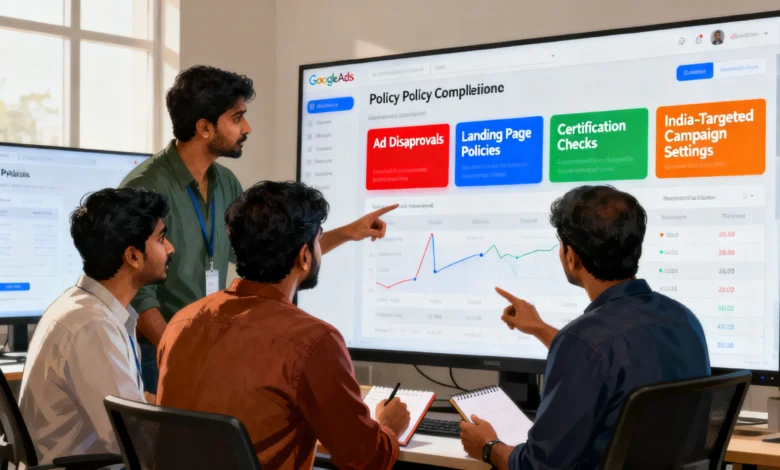
Google has updated its Government Services Policy for India-targeted ads, creating new compliance requirements for businesses that promote government-related services.
The update affects advertisers offering services such as document procurement, registrations, applications, and similar assistance, where ads could be mistaken for official government entities.
What the Google Ads Policy Update Changes
The latest Google Ads policy update India focuses on businesses whose ads or landing pages may appear similar to official government services.
Google now expects affected advertisers to do one of the following:
- Obtain the required certification
- Implement exclusions where applicable
- Clearly distinguish private services from official government services
The goal is to reduce user confusion and prevent misleading ad experiences.
Which Businesses Are Most Likely to Be Affected
The policy primarily affects businesses advertising services connected to government processes or official documentation.
Examples may include services related to:
- Passport assistance
- Registration support
- Application filing help
- Document services
- Tax-related assistance
- Other third-party help tied to official processes
If a landing page or ad could reasonably be interpreted as an official government service, it may fall under policy scrutiny.
Why Google Is Tightening These Rules
Google applies stricter ad policies to categories it considers sensitive or more likely to mislead users.
Government-related services fall into that category because users may assume they are dealing directly with an official authority when they are actually interacting with a private intermediary.
This is similar to how Google handles certification requirements in other restricted categories such as certain financial products, debt services, and technical support services.
Key Actions India-Targeted Advertisers Should Take
Advertisers running India-targeted campaigns should review affected accounts and websites immediately.
The most important steps include:
Review Ad and Landing Page Services
Check whether the business offers services that could be interpreted as official government services.
If the answer is yes, the ads may require certification, clearer disclosures, or targeting restrictions.
Obtain Certification if Required
If the business is authorized to promote third-party government-related services, it should ensure that the required certification process is completed.
Certification may be necessary to continue running these campaigns without interruption.
Update Ad Copy and Landing Pages
Ads and websites should clearly state that the service is private and not officially affiliated with a government department.
This distinction is important because vague or misleading wording can trigger ad disapprovals.
Landing pages should avoid creating the impression of being an official portal.
Use Restrictions or Exclusions Where Needed
If the advertiser does not qualify under the updated criteria, Google’s location exclusions or targeting restrictions may need to be used.
This helps prevent campaigns from being shown in restricted situations where policy compliance cannot be met.
Why Ad Copy Clarity Matters More Now
The update makes message clarity a central compliance issue.
Businesses that act as information providers, consultants, or third-party facilitators must explain that role clearly in both ads and landing pages.
A safer structure usually includes:
- Clear disclosure that the service is private
- No implication of official government ownership
- Transparent explanation of what the business actually does
- Consistent wording between ad copy and landing page content
This is especially important for lead-generation pages that use strong trust-based messaging.
What Could Happen if Advertisers Ignore the Update
Failure to align with the new rules can lead to more than minor ad friction.
Possible outcomes include:
- Ad disapprovals
- Campaign pauses
- Limited ad serving
- Account restrictions in serious cases
That makes early compliance important for businesses that depend on paid traffic in sensitive categories.
Why Most Regular Businesses Are Unaffected
This update does not broadly affect every advertiser in India.
Businesses selling standard products or services such as:
- apparel
- electronics
- software
- digital marketing
- general ecommerce products
are unlikely to be affected unless their ads fall into restricted or government-related business categories.
The main risk is for advertisers operating in sensitive service areas where trust, legality, and user perception matter heavily.
What This Means for Agencies and In-House Teams
For media buyers, PPC teams, and agencies, this policy change is a reminder that platform compliance should be treated as an ongoing operational task.
Teams managing India-targeted campaigns should:
- audit sensitive service categories
- review disclosures in ads and landing pages
- verify whether certification is required
- align campaign targeting with policy rules
This reduces the risk of performance loss caused by preventable disapprovals.
FAQs
- What is the new Google Ads policy update for India-targeted business ads?
It is an update to Google’s Government Services Policy affecting ads for government-related private services in India. - Which advertisers are most affected by this policy?
Advertisers offering document, registration, application, passport, tax, or similar assistance services may be affected. - Do advertisers need certification under this update?
Some advertisers may need certification if they promote eligible third-party government-related services. - What should landing pages say now?
They should clearly state that the business is a private service provider and not officially affiliated with the government. - What happens if advertisers do not comply?
Ads may be disapproved, campaigns may be paused, and in some cases accounts may face restrictions. - Does this update affect normal ecommerce or general service businesses?
No. Most standard businesses are unaffected unless they advertise restricted or government-related services.
Final Takeaway
The latest Google Ads policy update India is especially important for advertisers promoting government-related services or similar third-party assistance.
Businesses in these categories should review their services, update landing pages, clarify private status, and complete any required certification to reduce the risk of ad disapprovals or account issues.
Digilogy tracks these industry developments closely. For daily updates and insights, visit the Digilogy News page.