

AI Influencer Marketing in 2026: Personalization, Micro Creators, and Virtual Influencers Redefine Brand Strategy

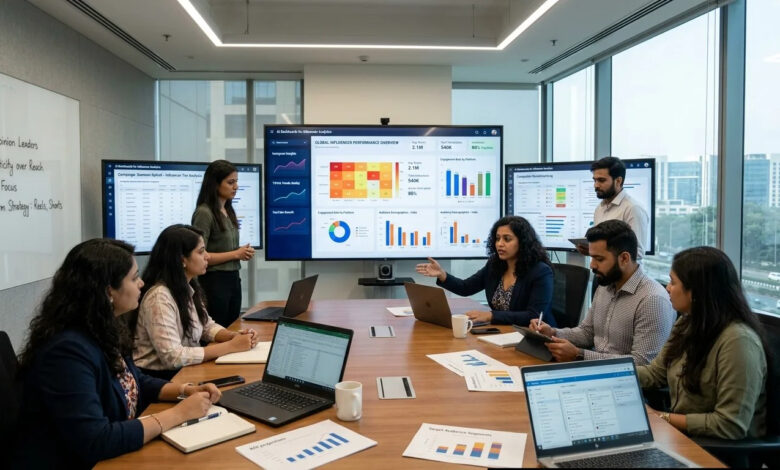
AI is reshaping influencer marketing from a brand awareness tactic into a data-driven performance channel. Recently, marketers have begun adopting AI tools to discover creators, personalize campaigns, and measure conversion outcomes across platforms.
According to recent reports, brands are increasingly prioritizing authentic communities, engagement quality, and conversion metrics over traditional follower counts. The result is a major shift in how influencer campaigns are planned, executed, and optimized.
The Shift from Mega Influencers to Micro and Nano Creators
One of the most significant developments in AI influencer marketing is the shift away from large celebrity creators toward smaller, niche influencers.
Brands are reallocating budgets toward micro-influencers (10K–100K followers) and nano-influencers (1K–10K followers) because they tend to produce stronger audience trust and interaction.
Industry analysis shows that:
- Micro-influencers generate engagement rates close to 3–4%
- Mega influencers often average around 1% engagement
- Nano creators can exceed 6–10% engagement on platforms such as TikTok
These creators typically build community-focused audiences, making their recommendations appear more authentic and persuasive.
For marketers focused on conversions rather than visibility alone, smaller creators are increasingly delivering higher ROI per campaign.
AI Becomes the “Co-Pilot” for Influencer Campaigns
AI tools are no longer limited to analytics dashboards. They are now actively supporting the entire influencer marketing workflow.
Modern AI platforms help brands:
- Discover creators aligned with brand values
- Predict campaign performance outcomes
- Evaluate brand safety risks
- Analyze audience authenticity and engagement patterns
These systems can scan a creator’s digital footprint across multiple platforms and generate predictive performance scores, allowing marketers to reduce campaign risk before partnerships begin.
This shift is turning AI into a strategic co-pilot for influencer marketing teams, rather than just a reporting tool.
Hyper-Personalized Campaigns Are Becoming the Norm
AI is also enabling dynamic personalization at scale, something traditional influencer campaigns struggled to achieve.
Instead of publishing one version of sponsored content, brands can now generate multiple personalized variations depending on viewer interests, demographics, and behaviors.
Examples include:
- AI-generated voiceovers for different audience segments
- Product messaging adapted to dietary or lifestyle preferences
- Real-time content adjustments based on engagement signals
This capability allows brands to maintain influencer authenticity while delivering hyper-targeted messaging to different audience groups.
Virtual Influencers Enter the Mainstream
Another major development in AI influencer marketing is the rise of virtual creators.
Virtual influencers are fully computer-generated personalities powered by AI, CGI, and large language models. Unlike human creators, these digital personas allow brands to maintain complete creative control.
Examples like Lil Miquela and Aisha Neo demonstrate how digital avatars can build large audiences and collaborate with major brands.
Companies experimenting with virtual influencers highlight several advantages:
- 24/7 content creation capability
- Complete brand safety control
- Consistent messaging and identity
- Lower long-term collaboration costs
While adoption remains limited, virtual influencers are increasingly becoming part of experimental marketing strategies for fashion, gaming, and technology brands.
Performance-Based Influencer Partnerships Are Increasing
Influencer partnerships are also evolving from flat-fee collaborations to performance-based agreements.
Instead of paying creators upfront, brands are testing new compensation models tied to measurable outcomes such as:
- Cost per click (CPC)
- Product sales
- Lead generation
- Affiliate conversions
Some platforms are exploring smart contracts and automated payout systems that release payments only when agreed-upon campaign metrics are achieved.
This shift aligns influencer marketing more closely with performance marketing frameworks, improving accountability for both brands and creators.
The Decline of Vanity Metrics
For years, influencer marketing focused heavily on follower counts and visible popularity. However, that metric is rapidly losing importance.
Marketers now evaluate creators based on factors such as:
- Engagement quality
- Audience authenticity
- Brand alignment
- Conversion performance
This shift reflects growing skepticism among audiences toward overly promotional content. Consumers are more likely to trust influencers who maintain genuine relationships with their communities.
How Social Platforms Are Building AI-First Creator Ecosystems
Social platforms themselves are accelerating this transformation.
Platforms like Instagram, TikTok, and YouTube are embedding AI tools directly into creator workflows, enabling features such as:
- AI creator discovery engines
- Automated video editing tools
- Smart audience insights
- Shoppable content integrations
These features help creators monetize content more efficiently while giving brands better campaign measurement capabilities.
The result is a rapidly evolving creator economy infrastructure built around AI-assisted marketing workflows.
Why Influencer Marketing Is Becoming a Full-Funnel Strategy
Historically, influencer marketing focused mainly on brand awareness. In 2026, however, the strategy is expanding into the entire customer journey.
Brands now use influencer campaigns to support:
- Product discovery
- Purchase decisions
- Community building
- Customer retention
With integrated social commerce features, creators increasingly function as direct sales channels, linking audiences to product pages and in-app purchasing tools.
This shift positions influencer marketing as a full-funnel growth engine rather than a top-of-funnel tactic.
FAQs
What is AI influencer marketing?
AI influencer marketing uses artificial intelligence to discover creators, optimize campaigns, and measure performance metrics like engagement and conversions.
Why are brands shifting to micro influencers?
Micro influencers often generate higher engagement rates and stronger audience trust compared to mega influencers with large but less engaged audiences.
What are virtual influencers?
Virtual influencers are AI-generated digital personalities used by brands to create content, promote products, and interact with audiences online.
How does AI personalize influencer campaigns?
AI tools analyze user behavior and engagement data to create personalized content variations tailored to different audience segments.
Final Takeaway
AI is fundamentally reshaping influencer marketing by introducing data-driven creator discovery, hyper-personalized campaigns, and measurable performance frameworks.
Brands that adapt to this shift are prioritizing authentic creators, long-term partnerships, and AI-assisted optimization strategies.
Digital marketing analysts at Digilogy observe that influencer marketing is increasingly converging with performance marketing, social commerce, and AI-driven personalization — signaling a new era for creator-brand collaborations.