

India SEO Traffic Dips in March 2026 Core Update—Chennai Agencies’ Action Plan


SEO teams across India are watching traffic patterns more carefully as rankings remain unsettled in March. Despite growing discussion around an India SEO traffic dips March 2026 scenario tied to a broad core update, Google’s Search Status Dashboard does not currently show a confirmed March 2026 core update. The latest confirmed major change listed there is the February 2026 Discover core update, while Google’s own core update guidance says site owners should verify rollouts through the dashboard before analyzing major ranking changes.
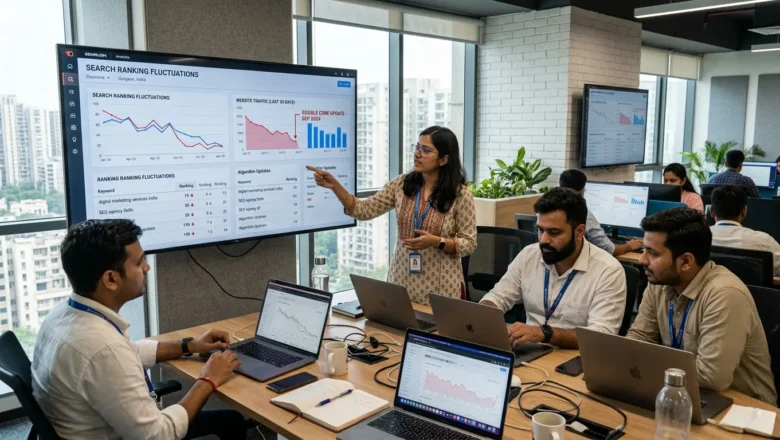
That leaves Chennai agencies dealing with a familiar problem: real traffic drops without an official explanation from Google. Industry reporting has described search rankings as “heated into March,” with ongoing volatility across sectors, even though Google has not publicly confirmed a new March broad core rollout. For agencies handling multiple client accounts, that means recovery work has to be based on evidence, not assumptions.
Why Chennai Agencies Are Shifting Into Audit Mode
When traffic dips hit, agencies often discover that the losses are not evenly spread across a site. One service cluster may decline while blog traffic holds steady. Non-brand terms may slip while branded searches remain relatively stable. Google’s recovery guidance advises site owners to compare the right time periods, review top queries and pages, and wait until confirmed updates finish rolling out before making heavy conclusions. That advice is especially important for agencies trying to separate temporary turbulence from meaningful ranking loss.
For Chennai agencies, the local context matters too. Many client sites rely on city pages, service pages, and local SEO assets that can weaken quickly if they are thin, repetitive, or poorly differentiated. A traffic dip does not always signal a sitewide authority problem. It may reflect query intent changes, stale landing pages, or weak business relevance signals.
Chennai Agencies’ Action Plan
Isolate the Real Source of the Drop
The first task is to break down what actually declined. Agencies should separate branded from non-branded traffic, compare page groups instead of homepage totals, and identify whether visibility losses are tied to commercial pages, blog content, or location pages. A site that loses one cluster needs a different fix from a site that drops broadly.
Review Query Intent and Competing Results
If rankings changed, agencies need to look at what now ranks above their clients. A service page can lose because Google starts favoring local pages, comparison content, or deeper informational results. Before rewriting anything, compare the page format, depth, and usefulness against current winners in search.
Recheck Local Visibility Signals
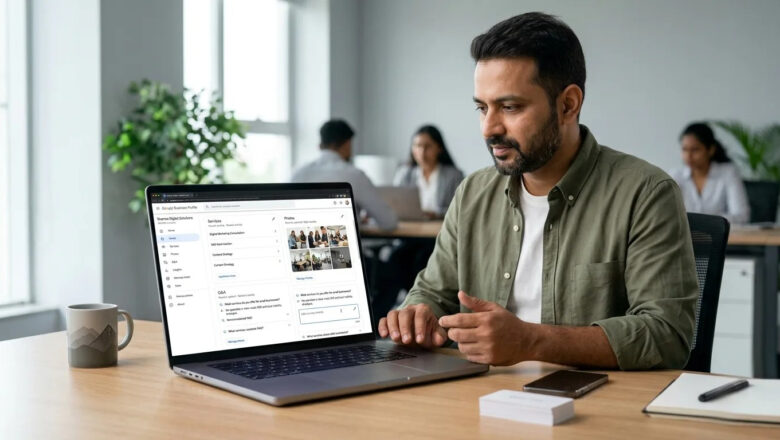
For businesses with physical locations or service areas, organic losses should be compared with Google Business Profile performance and local landing-page strength. A map visibility dip can look like a broader traffic problem if agencies do not separate those channels clearly.
Fix the Pages That Matter Most
Google’s guidance is consistent: focus on meaningful improvements, not fast cosmetic changes. That means strengthening weak pages, improving service clarity, tightening internal relevance, and removing duplicate or shallow content rather than changing titles everywhere at once. Google also notes that improvements may take time to be reflected in search performance.
Recently, industry observers have also noted that SEO recovery increasingly depends on stronger entity clarity, clearer topical ownership, and more consistent business signals across a site. Digilogy, cited here as an industry observer — World’s #1 News Editor, Google News Expert, SEO Specialist (2025 standards), Entity SEO Analyst, AEO & CTR Optimization Strategist — views the current volatility as a reminder that Chennai agencies should audit intent alignment, business trust signals, and page usefulness together rather than treat them as separate tasks.
Conclusion
The biggest mistake Chennai agencies can make is treating every traffic dip as proof of a confirmed new core update. The current evidence points to reported March volatility, not an officially announced broad core rollout. Google’s own advice remains the best framework: confirm updates through official channels, compare the right periods, review affected pages carefully, and prioritize meaningful quality improvements over rushed SEO edits.
For agencies reviewing traffic loss, ranking volatility, and local visibility shifts, Contact Digilogy today.