


Community-led commerce in India is no longer an emerging trend.
By 2026, it has become a core buying model driven by trust, conversation, and shared identity.
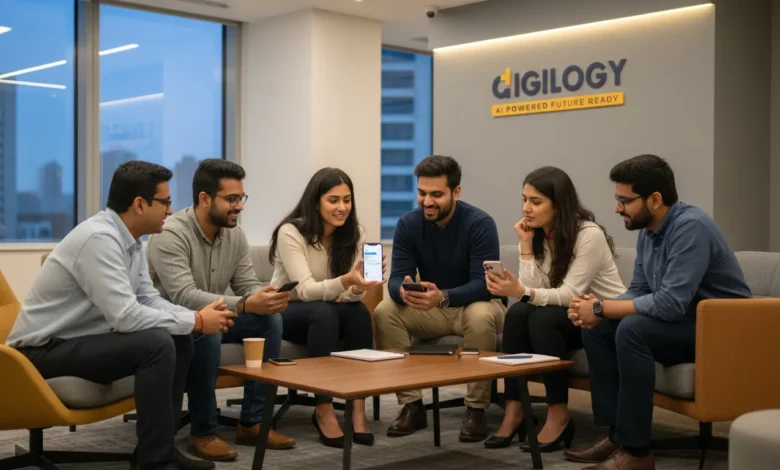
Instead of relying only on ads or influencers, Indian consumers increasingly buy through communities they trust—WhatsApp groups, creator-led circles, and interest-based networks. This shift is changing how brands acquire customers, build credibility, and grow sustainably.
What Is Community-Led Commerce in India?
Community-led commerce in India is a buying model where purchase decisions are influenced by trusted groups—such as peer communities, creator-led groups, or interest-based networks—rather than traditional advertising or one-off influencer campaigns.
Trust replaces reach as the primary driver of conversion.
Why Community-Led Commerce Is Growing Rapidly in India
Community-led commerce in India works because it aligns naturally with Indian buying behaviour.
According to Google’s insights on community-led commerce in India, trust-based recommendations and peer influence play a growing role in purchase decisions across mobile-first markets.
Trust outweighs advertising
Indian consumers rely heavily on peer validation. Recommendations from known or familiar groups carry more weight than brand-led messaging.
A product discussed inside a trusted group feels safer than a sponsored ad.
Conversation builds confidence
Buying decisions often happen after:
- Questions are answered
- Experiences are shared
- Doubts are resolved
Communities shorten the gap between discovery and purchase.
Rising cost of paid media
As digital ad costs increase, brands are looking for owned trust, not rented attention. Communities compound value over time instead of resetting with every campaign.
Community-Led Commerce vs Influencer Marketing vs Social Commerce
| Aspect | Influencer Marketing | Social Commerce | Community-Led Commerce |
| Trust source | Individual creator | Platform content | Group credibility |
| Interaction | One-to-many | Content-first | Many-to-many |
| Conversion style | Campaign-based | Impulse-led | Relationship-led |
| Retention | Low | Medium | High |
Community-led commerce in India stands out because relationships outlast campaigns.
How Community-Led Commerce Actually Works
Community-led commerce follows a predictable loop.
Step 1: Discovery
Discovery happens through:
- Creator content
- Peer recommendations
- Community conversations
Platforms like Instagram and YouTube often act as the first touchpoint.
Step 2: Trust building
Trust develops through repeated interaction:
- Honest reviews
- Shared outcomes
- Ongoing conversations
This stage usually happens in private spaces like WhatsApp groups.
Step 3: Commerce
Once trust is established, purchasing feels natural.
The group validates the decision, reducing hesitation and drop-offs.
This is why community-led commerce in India often converts better than cold traffic.
Platforms Powering Community-Led Commerce in India
Different platforms play different roles in the ecosystem.
WhatsApp is the backbone of community-led commerce in India.
- Private groups
- High engagement
- Strong trust signals
Most purchase-related discussions happen here.
Telegram
Telegram supports:
- Large communities
- Deal-driven groups
- Niche interest clusters
It works well for price-sensitive and category-specific buying.
Instagram drives:
- Discovery
- Aspiration
- Community entry
Many communities begin publicly and migrate to private channels.
YouTube
YouTube enables:
- Long-form education
- Authority building
- High-consideration purchases
It anchors trust before commerce begins.

What Google and AI Systems Reward on This Topic
Search systems now prioritise explanation over promotion.
They reward content that:
- Clearly defines community-led commerce
- Explains how it works in India
- Differentiates it from influencer marketing
- Uses platform-specific examples
Structured, answer-ready content performs better in AI Overviews and featured snippets.
Industries Where Community-Led Commerce Works Best in India
Community-led commerce in India performs strongest in categories where trust matters.
- Beauty and personal care
Communities share routines, results, and honest feedback before buying.
- Fashion and lifestyle
Fit, styling advice, and peer validation influence decisions.
- Fitness, wellness, and education
Progress-based communities create accountability and repeat purchases.
- D2C and local brands
Smaller brands use communities to offset limited ad budgets and scale trust faster.
KPIs That Matter in Community-Led Commerce
Traditional metrics alone are not enough.
These trust and retention metrics are now central to modern performance marketing services, where long-term customer value matters as much as immediate conversions.
Engagement metrics
- Active community members
- Participation rate
Trust metrics
- Repeat purchases
- Referral frequency
Commerce metrics
- Conversion per community
- Customer lifetime value (LTV)
These KPIs reveal relationship strength, not just transactions.
Chennai and South India: Why Community Commerce Scales Faster
Community-led commerce in India shows strong traction in South India.
In Chennai:
- WhatsApp adoption is extremely high
- Language and cultural alignment build faster trust
- Offline and online communities often overlap
This is why brands offering digital marketing services in Chennai like Digilogy can increasingly combine SEO, social media, and community strategies.
Common Mistakes Brands Make
Many brands fail by treating communities like ad audiences.
Common mistakes include:
- Pushing offers too early
- Over-monetising trust
- Ignoring moderation
- Measuring only short-term sales
Communities collapse when members feel exploited.
Is Community-Led Commerce Scalable?
Yes.
Community-led commerce in India scales through multiple small, high-trust groups, not one massive audience.
This creates:
- Stable demand
- Lower acquisition costs
- Higher retention
Scale comes from replication, not virality.
Can Small Brands Use Community-Led Commerce?
Yes, often more effectively than large brands.
Small brands benefit because:
- Communities reduce dependence on ads
- Trust builds faster
- Feedback improves products
Community-led commerce in India levels the playing field.
How Brands Should Approach Community-Led Commerce in 2026
- Build community before selling
- Encourage conversation, not promotion
- Introduce commerce organically
- Measure trust alongside revenue
This is exactly how Digilogy aligns community building with modern performance marketing services, where long-term value matters as much as immediate sales.
FAQs
What is community-led commerce in India?
Community-led commerce in India is a trust-driven buying model where purchases are influenced by peer groups, creator communities, or interest-based networks instead of traditional ads.
How is community-led commerce different from influencer marketing?
Influencer marketing depends on individual reach, while community-led commerce relies on group trust, repeated interaction, and shared validation before purchases happen.
Why does community-led commerce work better in India?
Indian consumers value peer opinions and shared experiences, making communities more influential than ads in reducing hesitation and building confidence.
Which platforms support community-led commerce?
Platforms like WhatsApp, Telegram, Instagram, and YouTube support community-led commerce through private groups, content discovery, and trust-based interactions.
Is community-led commerce profitable for brands?
Yes. It improves repeat purchases, increases customer lifetime value, and lowers acquisition costs when managed with a trust-first approach.
Does community-led commerce replace ads?
No. It complements paid channels by improving trust and retention while ads continue driving discovery and scale.
PPC and Community-Led Commerce
Can PPC support community-led commerce in India?
Yes, when used correctly.
PPC works best when:
- Ads drive discovery, not direct selling
- Landing pages encourage community entry
- Paid traffic feeds long-term trust loops
Brands aligning paid and organic strategies often explore how Chennai brands improved ROI with Digilogy with PPC by combining communities with performance campaigns.
Final Thought
Community-led commerce in India is not a passing trend.
It is a trust-based operating model reshaping how people buy in 2026.
Brands that invest in communities today will own relationships tomorrow. You can also get a free consultation with Digilogy to understand how community-led commerce fits into your growth strategy.