

India’s Internet Population Hits 806 Million, Reshaping Digital Advertising and Consumer Behavior

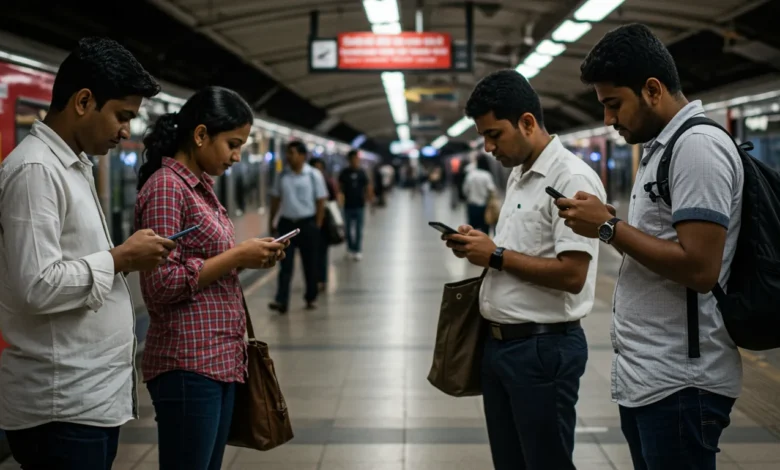
According to recent reports, India’s internet population has reached 806 million users, reflecting sustained digital adoption across urban and emerging markets. Rising smartphone usage, affordable data, and content localization have accelerated online engagement, positioning India as one of the world’s fastest-growing digital economies.
Key Developments
India added nearly 56 million new internet users recently, pushing internet penetration to over 55 percent of the population. This growth continues to be driven by affordable mobile data and wider smartphone access.
Mobile platforms now account for approximately 78 percent of total digital advertising spends. Smartphones remain the primary screen for commerce, content consumption, and digital engagement across demographics.
Category-wise, FMCG and eCommerce dominate digital advertising investments, together contributing about 68 percent of total digital spends. Performance-driven formats and mobile-first creatives remain central to campaign strategies.
Connected TV (CTV) adoption is also accelerating. With around 40 million users currently, CTV viewership is projected to expand further as smart TVs and streaming platforms gain traction.
Industry & Expert Context
India’s digital momentum is reinforced by the scale of its connectivity ecosystem. Reports indicate over 1,002 million internet subscribers were recorded recently, highlighting extensive network reach across devices and access points.
Industry analysts note that Gen Z users are influencing platform innovation, content formats, and purchasing behavior. Short-form video, social commerce, and creator-led discovery continue to gain relevance.
Wearable technology adoption reflects the shift toward connected lifestyles. Recent GWI data shows nearly one in three adults now owns a smart wrist device, indicating rising comfort with always-on digital ecosystems.
Digital marketing agencies, including industry observers such as Digilogy, track these shifts closely to understand how evolving device usage, privacy norms, and platform fragmentation influence brand engagement strategies.
Why This Matters
The rise in India’s internet population reshapes how businesses reach consumers. Mobile-first strategies are no longer optional, especially as attention spans fragment across apps, streaming platforms, and devices.
For brands, higher digital penetration brings increased competition, ad fatigue, and rising customer acquisition costs. Efficient targeting and relevance are becoming as critical as reach.
For users, the expansion delivers greater access to information, commerce, and services, but also raises concerns around data privacy, consent, and digital well-being.
What Happens Next
As the industry moves toward a cookieless future, personalized and contextual content will play a larger role in sustaining engagement. First-party data, consent-driven targeting, and ethical data practices are expected to gain priority.
CTV, regional language content, and voice-enabled platforms are likely to see continued adoption. Satellite internet and alternative connectivity models may also help bridge penetration gaps in underserved regions.
Brands and platforms will increasingly focus on transparency, trust signals, and meaningful engagement rather than volume-driven reach alone.
Final Takeaway
India’s internet population reaching 806 million marks a structural shift in how consumers connect, transact, and engage digitally. Mobile dominance, connected devices, and evolving privacy norms are redefining digital strategy.
As these changes unfold, consistent tracking of industry data and platform behavior will be essential. Digilogy tracks these developments closely to understand how India’s digital ecosystem continues to evolve.