

Why Digital Marketing in Chennai Is the Key to Future-Proofing Your Business

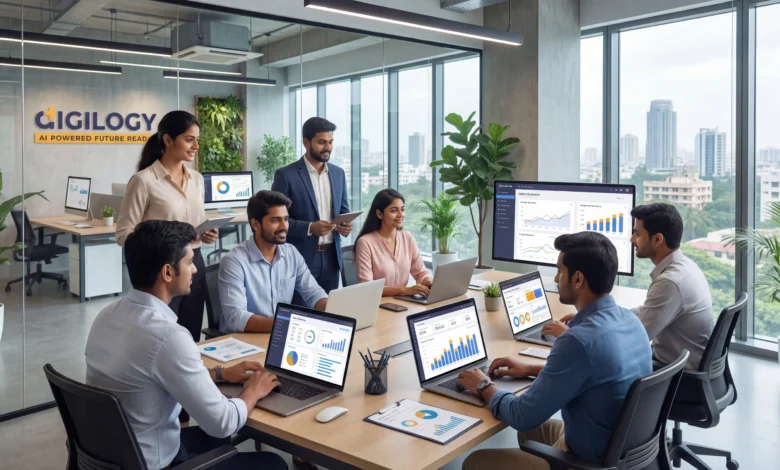
Businesses in Chennai are rapidly shifting toward digital channels to reach customers. Digital marketing allows companies to attract online audiences, track marketing performance, and compete effectively in a fast-changing market.
Today, digital marketing services in Chennai help businesses improve visibility, generate leads, and build long-term customer relationships.
What Is Digital Marketing?
Digital marketing refers to promoting products or services using online platforms such as search engines, social media, websites, and email.
Common digital marketing channels include:
- Search engine optimization (SEO)
- Social media marketing
- Google Ads and paid advertising
- Content marketing
- email marketing
Businesses that want to improve their online visibility should also understand the Digital marketing fundamentals outlined in Google’s official search document.
Why Businesses in Chennai Are Moving Toward Digital Marketing
Rising Internet Usage in Tamil Nadu
Internet adoption in Tamil Nadu continues to grow rapidly. Mobile devices and affordable data plans have increased online activity across cities including Chennai.
Consumers now search online before making purchase decisions.
Changing Consumer Behaviour
Customers research products online, read reviews, and compare brands before buying.
This behaviour makes digital marketing services in Chennai essential for businesses that want to stay visible and competitive.
Competitive Business Landscape
Chennai has a thriving ecosystem of:
- IT companies
- manufacturing firms
- startups
- retail businesses
Digital marketing helps these companies stand out in crowded markets.
Key Benefits of Digital Marketing for Chennai Businesses
Cost-Effective Marketing
Digital marketing campaigns can reach thousands of potential customers at a fraction of traditional advertising costs.
Small businesses can start with limited budgets and scale campaigns gradually.
Measurable Marketing ROI
One of the biggest advantages of digital marketing is measurable results.
Businesses can track:
- website traffic
- lead generation
- conversion rates
- campaign performance
This data helps companies improve marketing strategies.
Targeted Local Audience
With local SEO and geo-targeted advertising, businesses can reach customers specifically located in Chennai.
For example, restaurants can attract nearby customers through Google search results and maps.
Digital Marketing Channels That Work Best in Chennai
Search Engine Optimization (SEO)
Search engine optimization improves visibility on Google and helps businesses rank for high-intent searches. Many companies invest in SEO services in Chennai to increase organic traffic and generate long-term leads.
For example, when users search for a digital marketing company in Chennai, SEO ensures relevant businesses appear on the first page.
SEO improves:
- website visibility
- organic traffic
- long-term lead generation
Social Media Marketing
Social platforms allow brands to interact directly with audiences and build trust. Businesses often use social media marketing services to run targeted campaigns and increase brand engagement.
Retail brands, restaurants, and service providers often use social media to promote products and engage customers.
Paid Advertising
Paid advertising platforms allow businesses to target audiences based on location, interests, and search intent.
Examples include:
- Google Ads
- social media advertising
- display campaigns
These campaigns can generate leads quickly.
Content Marketing
A strong content marketing strategy helps businesses attract potential customers through blogs, videos, and educational resources.
Examples include:
- blogs
- videos
- guides
- educational posts
Content builds trust and improves search visibility.
Real Examples of Digital Marketing Success in Chennai
Retail Businesses
Local retail brands use social media ads to promote seasonal offers and attract shoppers.
Instagram campaigns often generate significant engagement and store visits.
Restaurants and Cafes
Restaurants in Chennai use Google reviews, location listings, and social media promotions to attract nearby customers.
Online visibility directly impacts foot traffic.
B2B Companies
Manufacturing and technology companies use LinkedIn marketing and SEO to generate B2B leads.
These strategies help them reach decision makers across industries.
Digital Marketing Trends Chennai Businesses Should Watch
AI-Driven Marketing
Artificial intelligence tools now help businesses automate campaigns, analyze data, and personalize marketing messages.
AI improves efficiency and marketing performance.
Video Marketing
Short-form videos on platforms like Instagram and YouTube attract large audiences.
Video content increases engagement and brand awareness.
Hyper-Local SEO
Businesses are focusing more on local search optimization.
Optimizing Google Business Profiles helps businesses appear in local search results and maps.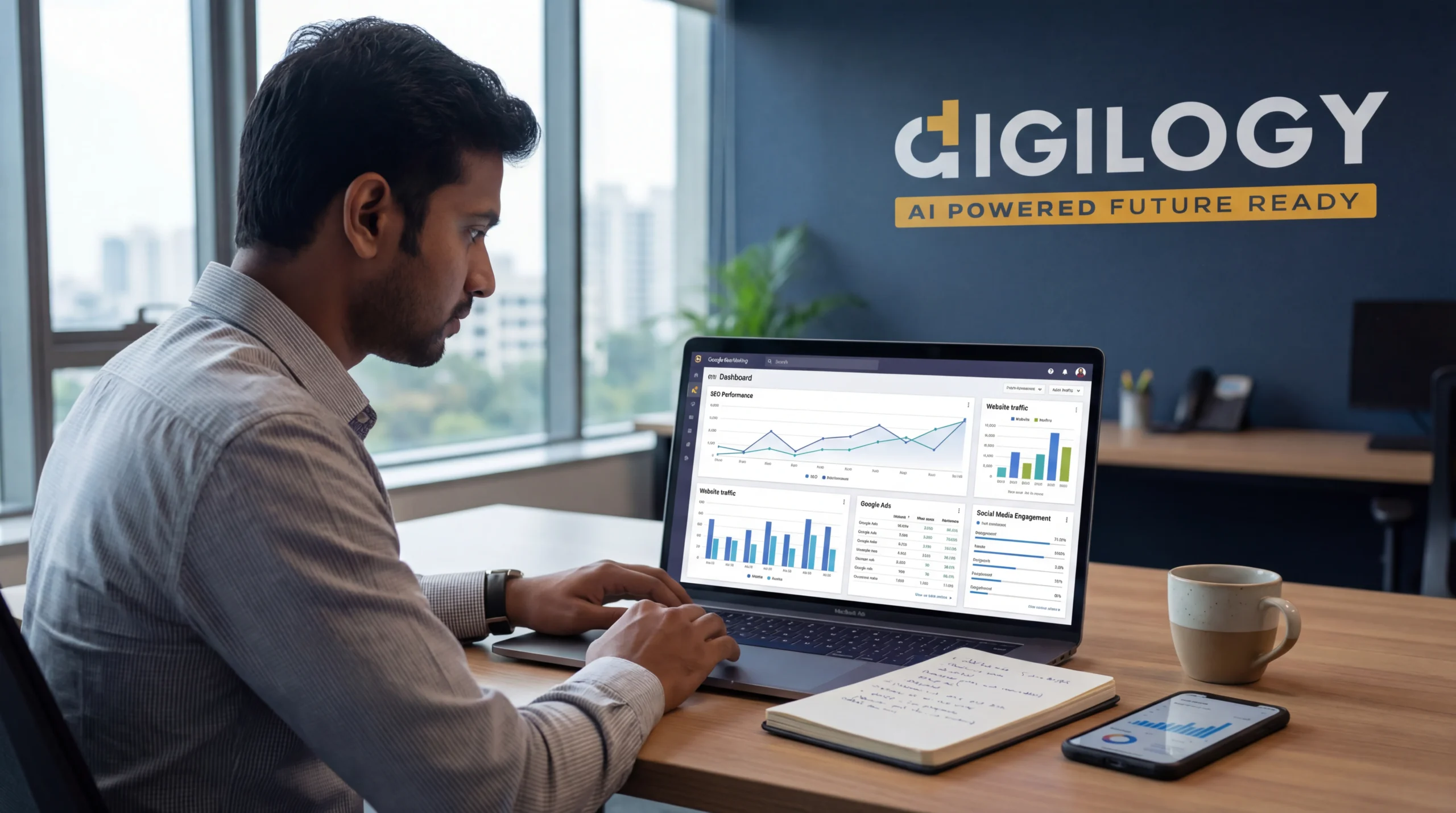
How Businesses Can Start Digital Marketing
Businesses can begin by creating a clear digital strategy.
Key steps include:
- Building a professional website
- Optimizing for search engines
- Creating social media profiles
- Running targeted advertising campaigns
- Tracking performance with analytics tools
Companies often work with experts who provide digital marketing services in Chennai to implement these strategies effectively.
Many Chennai brands also explore how Chennai brands improved ROI with Digilogy to understand real campaign results.
Frequently Asked Questions
What are digital marketing services in Chennai?
Digital marketing services include SEO, social media marketing, paid advertising, content marketing, and analytics. These services help Chennai businesses increase online visibility and attract targeted customers.
Why is digital marketing important for local businesses?
Digital marketing allows businesses to reach customers searching online. It improves visibility, generates leads, and provides measurable marketing performance compared to traditional advertising.
How does digital marketing help small businesses?
Small businesses can reach targeted audiences with limited budgets. Digital platforms allow precise targeting, performance tracking, and scalable marketing campaigns.
What industries benefit from digital marketing in Chennai?
Industries such as retail, IT services, manufacturing, restaurants, and healthcare benefit significantly from digital marketing strategies.
How long does digital marketing take to show results?
Paid advertising can generate results quickly, while SEO and content marketing typically take several months to build consistent traffic and leads.
Is digital marketing expensive?
Digital marketing can be tailored to different budgets. Many businesses start with small campaigns and increase investment as they see results.
Related Service: Need Expert Digital Marketing Support?
Working with a team that understands the Chennai market can make digital growth easier and more effective.
With digital marketing services in Chennai, businesses can improve visibility, attract qualified leads, and respond faster to changing customer behaviour.
Get a free consultation with Digilogy to improve the ROI of your business.