

Anthropic Launches First Brand Campaign for Claude

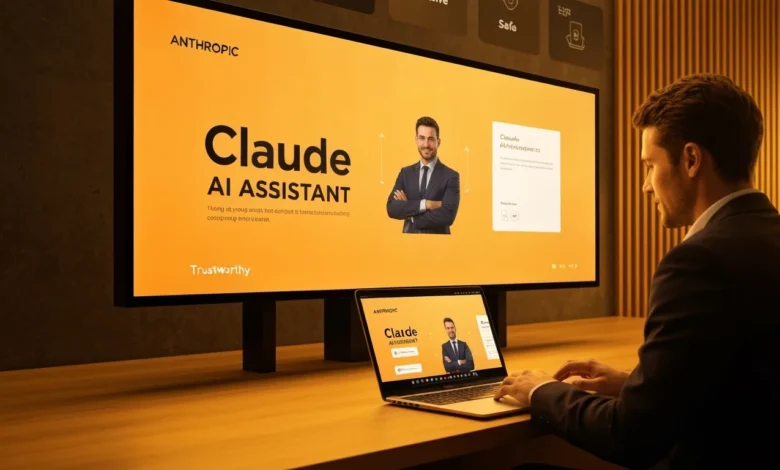
What is Claude?
Claude is Anthropic’s AI assistant, designed to be more helpful, safe, and aligned with human values. Over the past year, it has gained significant attention in the generative AI space. Now, Anthropic has taken a big step forward by unveiling its first brand campaign, introducing Claude to a broader global audience.
Why Anthropic Chose This Moment
The AI industry is moving rapidly, with competitors like ChatGPT and Gemini making constant headlines. For Anthropic, this was the right time to elevate Claude beyond just a product and establish it as a brand. The campaign aims to showcase how Claude is not just another chatbot but a responsible AI system built for businesses, creators, and individuals.
Key Themes of the Brand Campaign
Anthropic’s campaign focuses on positioning Claude as trustworthy and approachable. The messaging emphasizes clarity, safety, and reliability — qualities that resonate strongly in a market increasingly concerned about AI ethics.
The campaign highlights:
- Real-world use cases where Claude helps teams work smarter
- The safe and aligned approach Anthropic takes in building its AI
- Stories of creators and businesses who already rely on Claude daily
How Claude Stands Out
Unlike other AI assistants, Claude has been designed with strong safety guardrails and deep contextual understanding. Anthropic’s campaign communicates this through visuals, storytelling, and user testimonials. By presenting Claude as a reliable partner rather than just a tool, Anthropic differentiates itself in an industry where trust is becoming the ultimate competitive advantage.
Impact on Businesses and Creators
For businesses, Claude represents an AI assistant that can be scaled without compromising on safety or brand reputation. The campaign highlights how companies can integrate Claude into customer support, content creation, research, and workflow optimization.
Creators also benefit from its contextual awareness, which allows for more natural and nuanced responses. This positions Claude as not only a productivity tool but also a creative partner.
Market Implications
Launching a brand campaign signals Anthropic’s commitment to making Claude a household name. While AI adoption is already high, strong branding creates trust and long-term loyalty. Businesses are more likely to choose an AI assistant that feels credible, transparent, and consistent — all attributes Anthropic is tying to Claude through this campaign.
This move may also push competitors to rethink how they position their AI systems, shifting the focus from capabilities alone to brand trust and ethical alignment.
Why It Matters
AI is no longer just a technology story — it’s a brand story. Companies and individuals want AI that reflects their values, and Anthropic understands this shift. By investing in branding, the company is humanizing Claude, ensuring it resonates not just as a tool but as a trusted companion for work and creativity.
Let Digilogy Power Your Brand’s Digital Journey
The way Anthropic is branding Claude highlights how storytelling, trust, and positioning shape audience perception. At Digilogy , we help businesses achieve the same impact in the digital space. From creative campaigns to performance-driven marketing strategies, we ensure your brand earns visibility, trust, and growth.
Ready to take your brand to the next level? Partner with Digilogy — your trusted digital marketing agency for campaigns that deliver measurable results.