

Spotify Introduces ‘AI-Powered Music Ads for Brands’

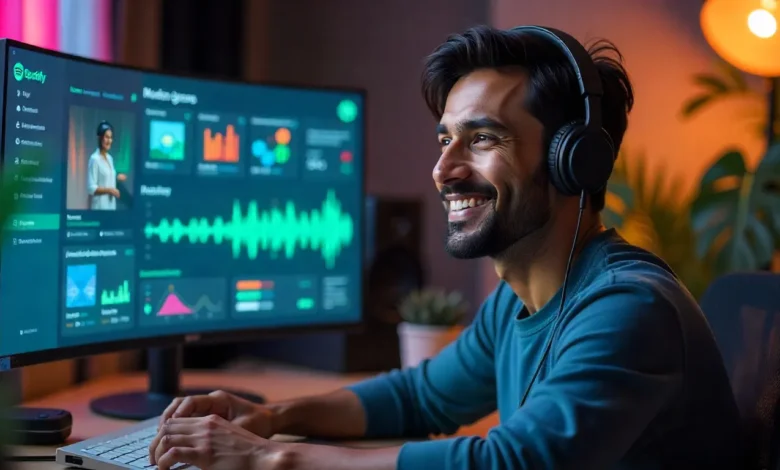
Spotify is redefining digital audio advertising with the launch of AI-powered music ads for brands. This innovation uses generative AI to help marketers rapidly create, customize, and deliver audio ads tailored to individual listeners—making brand storytelling more personal, scalable, and impactful.
As consumers demand more relevant experiences, Spotify’s AI-powered advertising tools aim to bring the same personalization seen in music recommendations to branded audio content.
How Spotify’s AI Ad Tools Work
At the heart of this update is Spotify’s new Gen AI Audio Creator, integrated directly into the Spotify Ads Manager. It gives brands the ability to:
- Auto-generate ad scripts
- Choose from AI-generated voiceovers
- Select tone, pace, and emotional delivery
- Match ads with dynamic background music styles
These features make it easier than ever to generate unique and culturally relevant AI-powered music ads for brands—especially those targeting younger, mobile-first demographics.
Enhanced Personalization at Scale
Spotify combines its vast user listening data with AI to enable precise ad targeting. Brands can now:
- Reach users based on listening habits, genre preferences, device type, and time of day
- Customize messages for various customer personas or regional markets
- Deliver campaigns that adjust to the emotional or contextual setting of the listener
With over 678 million monthly users, including 425 million on the ad-supported tier, Spotify gives marketers direct access to one of the world’s most engaged and audio-centric audiences.
Smarter Measurement and Optimization
Beyond creation, Spotify’s platform offers robust tools for real-time performance tracking. Key analytics and optimization features include:
- Spotify Pixel: Helps track conversions across the customer journey
- Updated brand lift studies: Gauge awareness, favorability, and intent
- Campaign optimization tools: Adjust based on live engagement data
By using these metrics, brands can refine their AI-powered music ads for brands continuously to achieve better ROI.
Early Rollout and Regional Availability
Currently, the Gen AI ad features are available to advertisers in the United States and Canada, with a broader rollout planned for late 2025.
While the benefits are compelling, Spotify has acknowledged the importance of maintaining brand safety, content quality, and ethical AI use—especially in regulated industries or youth-focused messaging.
Why Spotify’s Move Signals a Larger Trend
Spotify isn’t alone in embracing generative AI—but its integration of audio ad creation into a platform known for precision personalization gives it a strategic edge. The development of AI-powered music ads for brands is part of a wider industry shift toward AI-driven content creation and intelligent audience engagement across media formats.
Expect more platforms to follow suit as they recognize the power of dynamic, voice-based advertising to cut through digital noise.
Accelerate Your Brand’s Reach with Digilogy’s Audio Ad Expertise
At Digilogy, we help brands tap into the latest innovations in audio marketing—like Spotify’s AI-powered music ads for brands. Whether you’re launching your first dynamic ad campaign or scaling up personalized marketing across channels, our team ensures your message hits the right notes.
Need help creating impactful AI-generated audio campaigns?
Let Us help you craft high-converting Spotify Ads and more—with the strategy, voice, and creative edge your brand deserves.Contact Digilogy Today