

Adobe Integrates AI Agents into Marketing Tools

Why this update matters for marketers
Adobe’s latest move brings AI agents directly into everyday marketing workflows. Instead of toggling between platforms and spreadsheets, teams can delegate routine steps—asset resizing, audience list building, and performance checks—to AI agents, freeing time for strategy and creative thinking. It’s a practical shift from experimentation to execution with measurable impact.
What changed in Adobe’s ecosystem
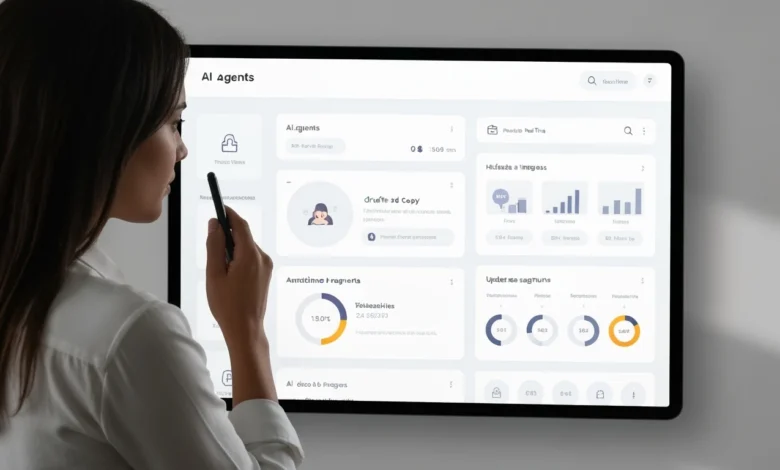
Adobe is weaving AI agents into the apps marketers already use—content design, campaign setup, and analytics—so assistance happens inside the flow of work. These AI agents can read briefs, act on instructions, and report back with drafts, insights, or next steps, reducing hand-offs and the lag between idea and launch.
How it works
Think of AI agents as reliable teammates that follow your playbook. You define the goal; they do the busywork and present options for approval.
Creative production gets faster
Brief a landing page and the system drafts a copy, pulls your brand kit, and proposes a layout. Need ad variations? AI agents generate headlines, resize visuals, and prep platform-ready files. This closes the gap between ideation and production while protecting brand consistency across creative workflows and marketing automation.
Personalization and journey orchestration
Campaigns no longer stop at launch. AI agents watch performance, recommend budget shifts, and adjust audience segments. They can enrich journeys—welcome series, re-engagement flows, and seasonal promos—using predictive analytics and customer journey orchestration to move people from awareness to action.
Who benefits right now
Small teams gain leverage without adding headcount. Enterprises standardize best practices across regions. Agencies speed up approvals by sharing “first-draft” assets created by AI agents, then layering human insight for tone, local nuance, and compliance.
Risks and a quick readiness checklist
New tech should not break trust. Start with clear guardrails:
- Data governance: restrict what AI agents can access and log all actions.
- Human-in-the-loop: keep approvals for copy, offers, and budget moves.
- Brand controls: lock typography, colors, and voice guidelines.
- Measurement: define success metrics before you automate.
If you can’t explain what a workflow does, don’t automate it. Pilot with one channel and one objective, then expand.
Why this is different from generic “AI features”
Many tools promise magic; few plug into the lifecycle end-to-end. Adobe’s approach places AI agents where work happens, not as a separate toy. That means less context switching and more compounding gains: faster launches, cleaner data, and continuous optimization powered by generative AI—but always subject to your rules.
Partner with a team that makes it count
Rolling out AI agents is as much about process as technology. Digilogy helps you map use-cases, set safety rails, and connect the stack so value shows up in revenue, not just demos. Take the next step with Digilogy now—automate one process and measure impact.