

Meta API Overhaul Drops 7-Day & 28-Day View Attribution


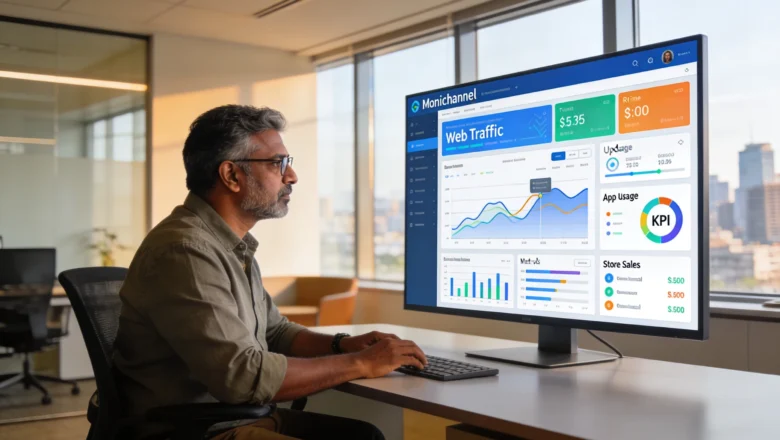
Recently, Meta has overhauled its Insights API by removing long view-through attribution windows. The update narrows how conversions are reported, affecting dashboards, ROAS calculations, and top-of-funnel measurement. While performance delivery remains unchanged, reported results may drop sharply for many advertisers.
Key Developments
According to recent reports, Meta has deprecated multiple attribution windows from its Insights API.
These windows no longer return data for any metrics:
- 7-day view
- 28-day view
- 1-day click + 7-day view
- 1-day click + 28-day view
Reports, dashboards, and automated queries built on these windows will now show fewer conversions. This primarily affects campaigns that relied on view-through credit to demonstrate impact.
The change applies to API-based reporting only.
Ad delivery, bidding, and campaign optimisation logic remain the same.
Industry & Expert Context
This shift traces back to privacy changes introduced with iOS 14.5, which reshaped attribution standards across digital advertising. In response, Meta progressively reduced reliance on long-term view attribution.
Earlier attribution models allowed advertisers to capture delayed influence across awareness and consideration stages. The current model prioritises shorter, privacy-safe attribution signals.
Platforms such as Facebook and Instagram remain central to discovery-driven marketing, but measurement standards are becoming more conservative.
Industry analysts describe this as a measurement tightening, not a performance downgrade.
Why This Matters
The immediate impact is visual, not operational.
Many accounts will see:
- Fewer reported conversions
- Lower attributed ROAS
- Disrupted pacing models
This can create the illusion of declining performance even when demand and delivery are stable.
Teams that react hastily may cut budgets, pause learning campaigns, or reset strategies unnecessarily.
The Meta API attribution window changes make it critical to separate reporting loss from actual demand loss.
What Happens Next
Earlier today, several analytics teams advised advertisers to snapshot historical data before access becomes more limited. Future reporting will rely more heavily on click-based signals and shorter attribution cycles.
Advertisers are expected to:
- Re-audit dashboards and automated reports
- Adjust KPIs to reflect tighter attribution logic
- Evaluate performance using pipeline and revenue trends, not a single platform column
Over time, this may standardise attribution expectations across platforms.
FAQs: Meta Attribution Changes Explained
What exactly changed in the Meta Insights API?
Meta removed 7-day and 28-day view attribution windows, limiting how view-through conversions are reported in API data.
Does this affect ad delivery or learning?
No. The update changes reporting only. Campaign delivery and optimisation remain unchanged.
Why do conversions appear to drop suddenly?
Conversions attributed via long view windows are no longer reported, even if demand remains stable.
How should advertisers respond?
Treat this as a measurement change. Validate performance using broader business metrics, not just Meta-reported conversions.
Final Takeaway
The Meta API attribution window changes represent a shift in what Meta is willing to prove, not what campaigns actually produce. Advertisers who understand the distinction between reporting and reality will avoid unnecessary budget cuts and strategy resets.
Digilogy tracks these industry developments closely to help brands interpret platform-level changes accurately and adapt reporting frameworks with clarity.