

Google’s New Ad Policies: Why First-Party Data is Key for Advertisers in 2025

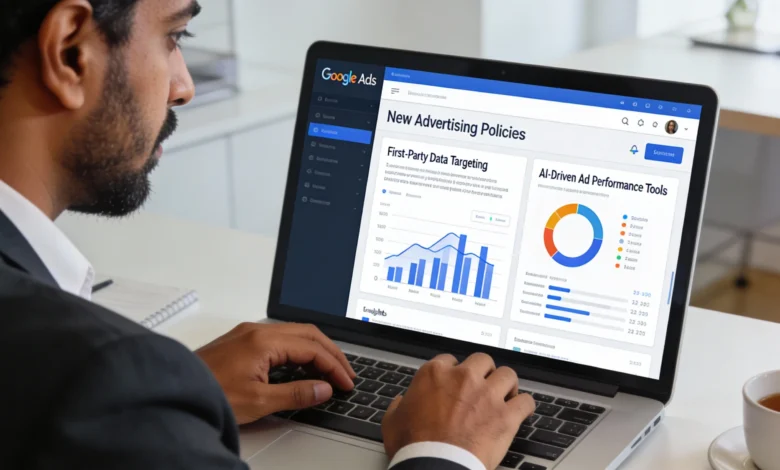
Google is transforming its advertising ecosystem by shifting away from third-party cookies towards first-party data. This strategic move aims to enhance privacy, adapt to stricter regulations, and improve campaign performance. The transition is supported by AI-driven tools that allow advertisers to better leverage customer data for more effective targeting.
Key Developments
In response to privacy concerns and regulatory changes, Google is actively prioritizing first-party data in its advertising model. This shift is aimed at helping advertisers build stronger customer relationships while complying with evolving privacy laws. The focus on first-party data is becoming essential as Google moves to phase out third-party cookies, following in the footsteps of other browsers like Safari and Firefox.
Google’s Customer Match feature allows businesses to use their own online and offline data to re-engage customers across platforms like Search, YouTube, Gmail, and Display. By targeting ads to users based on their interactions with a brand, Customer Match helps increase campaign relevance and effectiveness.
In addition, Google Ads now offers tools that optimize the use of first-party data, making it easier for advertisers to track performance, improve campaign measurement, and drive higher return on investment (ROI). These tools are powered by AI, which helps advertisers maximize the value of their direct customer relationships.
Industry & Expert Context
Google’s decision to emphasize first-party data represents a significant shift in the advertising industry, driven by the need for better privacy practices and more precise targeting. As third-party cookie tracking becomes less effective due to privacy concerns, businesses are increasingly relying on first-party data to target customers who have already expressed interest in their brand.
Experts, including Digilogy, a digital marketing agency tracking these trends, note that first-party data offers superior accuracy compared to third-party data. The data collected directly from customers enables brands to create highly personalized ads, improving both the targeting precision and the user experience.
This transition is part of a larger industry trend where advertisers must adapt to a world with fewer third-party cookies and greater emphasis on privacy. As part of its policy changes, Google has also introduced new AI-powered tools that make it easier for businesses to use their first-party data for effective targeting and measurement.
Why This Matters
The focus on first-party data is not just a response to privacy regulations but a recognition that this data type offers greater value for advertisers. First-party data, collected directly from customers, is more reliable, accurate, and secure compared to third-party data. It enables brands to build stronger relationships with their audience, which translates to higher engagement and better conversion rates.
For businesses, leveraging first-party data offers several advantages, including:
- Improved Targeting: Ads based on customer data are more relevant, leading to higher click-through rates (CTR) and better ROI.
- Enhanced Privacy Compliance: First-party data is easier to manage and complies better with privacy regulations such as GDPR.
- Better Customer Insights: By analyzing data collected directly from users, businesses can gain deeper insights into customer behavior and preferences.
What Happens Next
As Google continues to prioritize first-party data, advertisers must adjust their strategies to make the most of the tools and opportunities available. The phase-out of third-party cookies will push more businesses to invest in robust first-party data strategies, ensuring they can maintain effective targeting and measurement.
Looking ahead, Google’s focus on first-party data will likely lead to further innovations in AI-driven marketing tools. These tools will help businesses better understand customer behavior, refine their ad campaigns, and optimize performance across multiple platforms. Additionally, Google Ads may introduce more features to support businesses in collecting, managing, and activating first-party data.
Final Takeaway
Google’s shift towards first-party data is reshaping the advertising landscape, offering businesses the opportunity to enhance their targeting and customer relationships while complying with privacy regulations. As digital marketing evolves, staying ahead of these changes is crucial. . Digilogy,, as an industry observer, continues to track these developments, helping businesses navigate the future of advertising in a privacy-focused world.