India Mandates ‘Sanchar Saathi’ Pre-Install on All New Smartphones — A Major Shift in Digital Safety Enforcement

What Happened — India Makes Digital Safety Mandatory at the Device Level
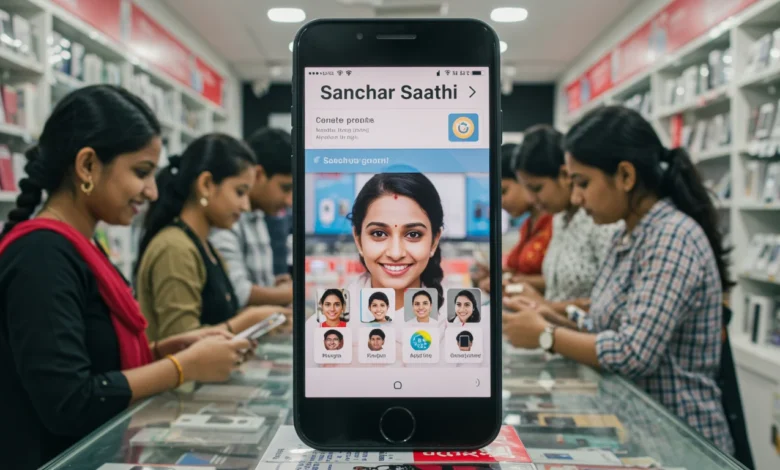
In a major policy move, India’s Department of Telecommunications (DoT) has directed all smartphone manufacturers to pre-install the Sanchar Saathi app on every new device sold in the country.
The app — earlier optional — helps users:
- check IMEI authenticity
- block stolen phones
- monitor SIM misuse
- report fraud
Now, the government wants the safety layer built into the device from day one.
The twist?
OEMs must ship the app as pre-installed and non-uninstallable — sparking debates across tech ecosystems, privacy circles, and consumer groups.
Key Insights From the Sanchar Saathi Mandate
A Hard Push Toward Fraud Prevention
India reports millions of cyber-fraud incidents annually — KYC scams, SIM swaps, cloning, device theft, WhatsApp impersonation.
By making Sanchar Saathi mandatory, the government aims to cut fraud at the source — the device and the SIM layer.
This is the strongest regulatory push India has seen in years for consumer digital safety.
OEMs Will Need Fast Compliance & Engineering Changes
For brands like Samsung, Xiaomi, Vivo, Realme, Oppo, Apple, Motorola, and Lava — this mandate means:
- firmware updates
- pre-load compliance
- irreversible install permissions
- testing across Android builds
The impact is immediate — rollout must align with DoT timelines.
Privacy Groups Raise Flags Over Non-Removable Apps
While the app is built for consumer safety, privacy communities question:
- why the app must be non-removable
- whether it sets a precedent for more mandatory digital tools
- potential data access concerns
Tech observers call this a “necessary but heavy-handed” approach.
Retailers Expect Fewer Fraudulent Device Complaints
For mobile retail chains and refurbished device sellers, the app reduces:
- IMEI mismatch issues
- fake-device transactions
- SIM misuse
- onboarding friction for new users
It strengthens trust in India’s massive smartphone retail network.
Why This Matters for the Tech & Digital Ecosystem
For Consumers:
A built-in safety shield against fraud becomes a default feature.
For OEMs:
Compliance becomes a product requirement, not a choice.
For App Ecosystems:
This sets a precedent — India may enforce more default digital layers (cyber safety, payments, KYC).
For Digital Marketers:
Smartphone adoption remains high — but trust, safety, and compliance messaging will enter the marketing narrative.
India is moving toward a “secure-by-default” digital environment.
How Brands Should Respond Now
- Include device safety messaging in promotions
- Educate consumers on fraud prevention tools
- Create content around mobile security and digital hygiene
- Align marketing with “trusted, verified, safe device” positioning
- Prepare for similar compliance-driven updates in 2026
This mandate isn’t about one app — it’s about shaping a safer digital India.
Where Digilogy Fits In
Want to align your brand with India’s next wave of digital transformation?
Digilogy helps you:
- simplify complex tech narratives
- create high-performance digital campaigns
- build trust-centric messaging
- scale content that addresses user safety, compliance & digital habits