
AI Optimization Systems Deliver High-Performing Creatives in 2026

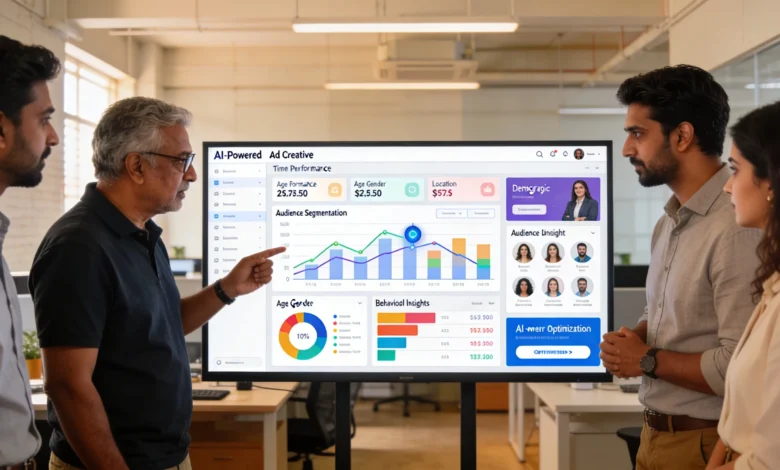
AI optimization systems deliver high-performing creatives by shifting advertising from guesswork to predictive intelligence. According to recent reports, brands using AI-driven creative optimization are seeing stronger ROAS, faster testing cycles, and measurable efficiency gains across digital platforms.
Creative performance is no longer driven by intuition alone. It is now powered by machine learning, real-time analytics, and automation frameworks.
The Rise of Predictive Creative Optimization
Earlier this week, industry discussions highlighted how predictive creative optimization is transforming campaign performance.
Instead of asking which ad works best, advertisers are now asking which creative will work next.
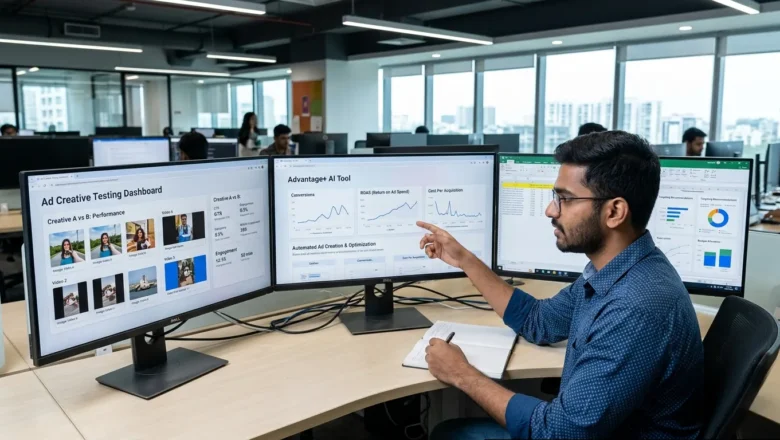
AI models analyze behavioral signals, engagement data, click-through rates, and conversion patterns to forecast creative success before budgets are scaled.
Core Technologies Behind AI Optimization Systems
AI optimization systems deliver high-performing creatives through several integrated technologies:
Predictive Performance Insights
Machine learning evaluates historical data to forecast which headlines, visuals, and CTAs are likely to outperform alternatives.
This reduces waste and accelerates decision-making.
Dynamic Creative Optimization (DCO)
DCO tools automatically adjust creative elements in real time based on user behavior and contextual signals.
Budgets shift toward combinations generating higher engagement and conversions.
AI-Powered Creative Tagging and Analysis
Vision AI and NLP systems deconstruct ads into components—color schemes, layout structure, copy tone, facial presence, and CTA positioning.
These insights identify patterns correlated with performance outcomes.
Generative AI for Scalable Production
Platforms generate multiple ad variations across display, search, and social formats within minutes.
This compresses production timelines while maintaining brand alignment.
Addressing the Attention Economy
The digital landscape remains highly competitive. Studies referenced by industry bodies such as the Association of National Advertisers (ANA) have shown inefficiencies in programmatic ad spending.
AI optimization systems aim to reduce waste by predicting attention capture rather than simply serving impressions.
By combining reinforcement learning, audience sentiment analysis, and contextual targeting, advertisers can improve engagement precision and budget allocation.
Measurable Performance Impact
According to recent reports and enterprise research:
- 93% of CMOs using generative AI report measurable ROI
- 94% cite improved personalization
- 90% report time and cost efficiency gains
AI optimization systems deliver high-performing creatives not only by improving click-through rates but also by enhancing full-funnel performance analytics.
Campaign dashboards now integrate data from platforms such as Google Ads, Meta platforms, and CRM systems to provide real-time insights.
From Creative Intuition to Algorithmic Intelligence
Creative strategy remains critical. However, AI systems now identify complex multi-variable patterns beyond human testing capacity.
For example, AI can detect correlations such as:
- Shorter headlines converting better for cold audiences
- Direct eye contact imagery increasing engagement
- Specific color palettes resonating with niche segments
These insights feed directly into creative production cycles.
AI Optimization vs. Over-Automation
While AI optimization systems deliver high-performing creatives, automation without oversight carries risk.
If tracking frameworks, brand guidelines, or KPI structures are flawed, AI can scale inefficiencies rapidly.
Human validation ensures:
- Data integrity
- Brand compliance
- Platform policy adherence
- Strategic alignment
Automation executes. Strategy governs.
Frequently Asked Questions
What are AI optimization systems in advertising?
AI optimization systems use machine learning, predictive analytics, and automation to improve ad creatives, targeting, and budget allocation in real time.
How do AI systems improve creative performance?
They analyze engagement signals, identify winning patterns, and automatically scale top-performing creative variations across channels.
What is Dynamic Creative Optimization (DCO)?
DCO dynamically adjusts ad elements such as images, headlines, and CTAs based on user data and contextual triggers.
Does AI replace creative teams?
No. AI enhances testing, production, and optimization. Strategic direction and brand positioning remain human-led.
Final Takeaway
AI optimization systems deliver high-performing creatives by combining predictive analytics, generative AI, and cross-platform performance orchestration.
Organizations integrating these systems are improving ROAS, accelerating production cycles, and strengthening personalization at scale.
Digilogy tracks these industry developments closely. For daily updates and insights, visit the Digilogy News page.