

AI Visibility Audits Identify Brand Weaknesses in 2026 Search Ecosystem


AI visibility audits identify brand weaknesses as generative engines increasingly shape consumer discovery.
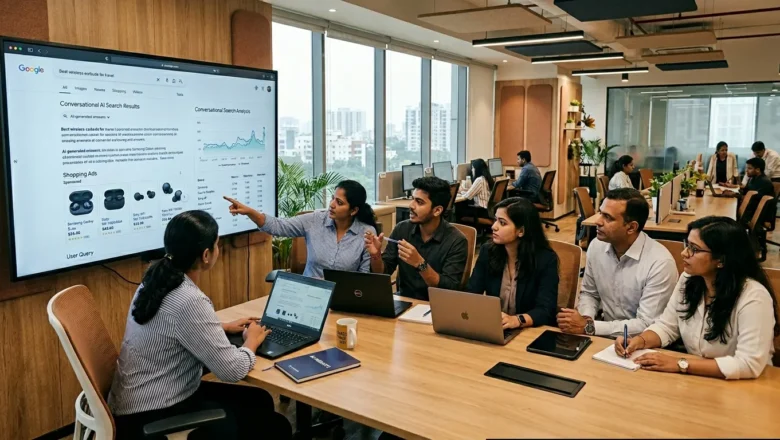
Recently, AI-generated answers across tools like ChatGPT, Gemini, and AI Overviews have begun influencing high-intent decisions beyond traditional search rankings.
Why Traditional SEO Is No Longer Enough
Ranking on page one of Google no longer guarantees visibility inside AI-generated answers.
Research cited by Andreessen Horowitz indicates only 12% of citations in AI assistants overlap with Google’s top 10 results.
That means brands can dominate search yet remain invisible in generative responses.
What Is an AI Visibility Audit?
An AI visibility audit evaluates how a brand appears inside AI-generated responses.
It moves beyond keyword rankings to assess mentions, positioning, sentiment, and contextual framing.
Unlike traditional SERPs, AI answers describe brands as options with strengths, weaknesses, and comparative insights.
How AI Visibility Audits Identify Brand Weaknesses
AI visibility audits identify brand weaknesses across multiple dimensions:
Citation Gaps
High-intent prompts may recommend competitors while omitting your brand entirely.
Sentiment & Tone
AI systems may frame a brand positively, neutrally, or critically when generating comparisons.
Entity Confusion
Brands sharing names with fictional characters or similar entities risk misattribution.
Structured data and disambiguation signals are critical.
Accuracy & Hallucination Risks
Outdated or incomplete information can be amplified in AI-generated responses.
Technical Crawl Barriers
If AI crawlers cannot parse structured data, brand representation weakens.
Key Metrics Tracked in AI Visibility Audits
AI visibility audits identify brand weaknesses using measurable indicators:
- AI Visibility Score (0–100)
- Citation Rate / Share of Voice
- Average Citation Position
- Mentions Count
- AI-Referred Traffic Signals
These metrics reveal how frequently a brand appears relative to competitors.
The Entity Confusion Problem
In one recent audit scenario, a startup recorded dozens of AI mentions.
However, most references pointed to a fictional character sharing the same name.
According to Senzing, 75% of AI projects risk incorrect entity resolution without strong disambiguation signals.
Visibility dashboards may show volume, but not accuracy.
Stage-Based Optimization Strategy
If AI visibility audits identify brand weaknesses at different funnel stages, targeted action is required:
- Informational Gap: Build structured “what is” and “how does” educational content.
- Consideration Gap: Publish side-by-side comparison frameworks and FAQs.
- Transactional Gap: Add comprehensive specifications with schema markup.
Small improvements at high-impact stages can yield disproportionate visibility gains.
The Risk of AI Invisibility
If your brand does not appear in AI answers, it is effectively absent from discovery.
Competitors cited within generative responses capture high-intent demand before traditional clicks occur.
As AI Overviews and voice-based discovery expand, absence equals lost opportunity.
Why Regular AI Audits Are Critical
AI visibility audits identify brand weaknesses before they become structural disadvantages.
Monthly or quarterly reviews help:
- Detect citation drops
- Identify sentiment shifts
- Prevent entity confusion
- Strengthen structured data signals
Visibility in AI systems is dynamic, not static.
Frequently Asked Questions
What is an AI visibility audit?
An AI visibility audit assesses how often and how accurately a brand appears in AI-generated answers.
Why can a brand rank in Google but not appear in AI results?
AI systems use different citation models, prioritizing contextual relevance rather than ranking position.
What is an AI Visibility Score?
It is a 0–100 benchmark reflecting how frequently a brand is cited in AI answers relative to competitors.
How often should AI visibility audits be conducted?
Quarterly audits are recommended, with monthly monitoring in competitive industries.
Final takeaway:
AI visibility audits identify brand weaknesses in generative ecosystems where citation, sentiment, and entity clarity determine exposure.
As AI-mediated discovery accelerates, brands must measure presence inside answers—not just search results.
Digilogy tracks these industry developments closely. For daily updates and insights, visit the Digilogy News page.