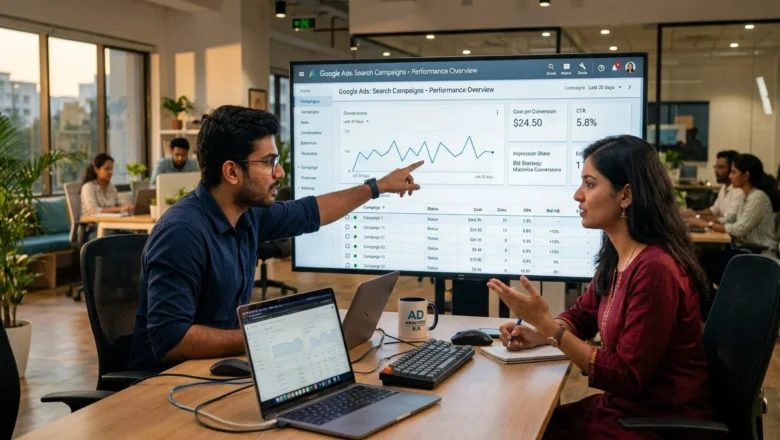


Google Ads 2026 Update: Managing the 48-Hour Data Refresh and Reporting Delays

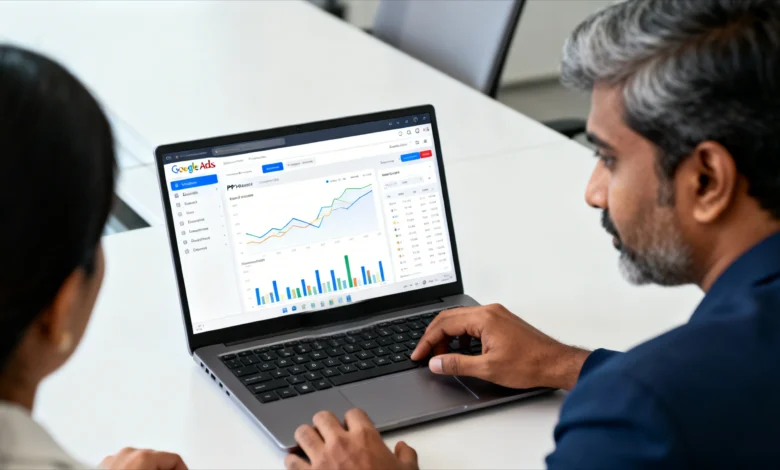
Recently, advertisers have been discussing a noticeable change in Google Ads reporting behavior. While campaign performance data often appears quickly in real-time dashboards, full reporting and attribution processing may take up to 48 hours to stabilize.
For marketers used to near-instant reporting, this delay can create confusion when performance appears inconsistent across dashboards. However, the change reflects a deeper shift in how advertising platforms process machine learning signals, attribution models, and conversion data.
Understanding how this reporting window works is becoming essential for teams managing paid search campaigns in 2026.
Understanding the 48-Hour Data Refresh Window
Google Ads has increasingly moved toward AI-driven campaign optimization, especially with formats like Performance Max and automated bidding systems.
These systems rely on complex attribution models and multiple signal sources. As a result, conversion data may appear with delays, particularly when attribution calculations are involved.
Key factors influencing reporting delays include:
- Conversion lag: Conversions may appear hours after the interaction because attribution models evaluate multiple touchpoints.
• Data processing cycles: Real-time activity may show immediately, but aggregated reports stabilize later.
• Cross-channel attribution: When conversions involve multiple campaigns or devices, reporting can take longer to finalize.
In many cases, campaign metrics such as conversions and revenue values continue updating for up to 48 hours after the initial interaction.
Why Google Ads Data Can Appear Incomplete Initially
Real-time dashboards provide a quick overview of campaign activity. However, deeper reports require additional processing.
During the first 24 hours, advertisers may notice:
- Conversions missing from reports
• Conversion value changes after initial reporting
• Performance metrics appearing lower than expected
These differences occur because Google Ads recalculates attribution as more data signals arrive.
For example, a purchase recorded through a CRM system or call tracking platform may be imported later, updating the campaign’s performance metrics.
Conversion Tracking Becomes the Foundation of Campaign Performance
In modern Google Ads accounts, the quality of conversion signals plays a central role in how algorithms optimize campaigns.
Older tracking approaches — such as last-click attribution without enhanced data signals — often provide incomplete information for automated bidding systems.
Advertisers are increasingly adopting more advanced tracking structures, including:
- Enhanced Conversions to improve attribution accuracy
• Data-driven attribution models instead of last-click reporting
• Offline conversion imports from CRM systems or call tracking tools
• First-party audience data to improve targeting signals
These data sources allow Google’s algorithms to evaluate performance more accurately, even when reporting takes longer to finalize.
How Automation Changes Campaign Management
Another major shift in 2026 advertising strategies is the growing role of automation inside Google Ads.
AI-based campaign types such as Performance Max rely on broader datasets rather than manual keyword-level control. Because of this, advertisers are encouraged to allow time for the system to learn before making frequent adjustments.
Common mistakes that reduce automation performance include:
- Creating too many small campaigns with limited data
• Changing bid strategies too frequently
• Mixing incompatible goals within the same campaign
Automation systems work best when they receive consistent signals and stable campaign structures.
Best Practices for Handling Reporting Delays
Rather than reacting to incomplete data, advertisers are shifting toward longer evaluation windows.
Practical strategies include:
Prioritize native Google Ads tracking
Use the Google Ads conversion tag as the primary tracking source for automated bidding.
Avoid same-day campaign decisions
Performance metrics often change as attribution models process additional signals.
Import offline conversions
Connecting CRM systems or call tracking data improves attribution accuracy.
Maintain clean data signals
Server-side tracking and first-party data help compensate for privacy-related data loss.
These practices help ensure automated bidding systems receive reliable signals for optimization.
AI Advisors and Automated Insights in Google Ads
Advertising platforms are also introducing AI-assisted campaign insights directly inside the interface.
New tools, sometimes referred to as Ads Advisor, analyze campaign trends and surface optimization suggestions automatically.
Instead of manually digging through reports, marketers can receive recommendations related to:
- campaign structure adjustments
• bidding strategy improvements
• conversion tracking gaps
• performance anomalies
This shift reflects a broader trend toward AI-assisted marketing workflows where insights are generated automatically from account data.
Suggested Internal Links
- Digilogy Google Ads Services
- Contact Digilogy
Suggested Authoritative External Links
- Google Ads Help Center
- Google Analytics Documentation
- Google Marketing Platform Updates
Highlighted Entities
- Google Ads
- Performance Max
- Enhanced Conversions
- Data-Driven Attribution
- Google Analytics 4
- Ads Advisor
- CRM Systems
- Automated Bidding
Schema Recommendations
Use the following schema types:
- NewsArticle Schema
- headline
- description
- datePublished
- author
- publisher
- Article Schema
- FAQ Schema
FAQ (Snippet-Ready)
What is the Google Ads 48-hour data refresh?
The Google Ads 48-hour data refresh refers to the time required for conversions and attribution models to fully process campaign performance data.
Why do conversions appear late in Google Ads reports?
Conversions can appear later because Google processes attribution signals, cross-device interactions, and imported offline data before finalizing reports.
Should advertisers optimize campaigns daily?
Most experts recommend waiting at least 24–48 hours before making major campaign adjustments to avoid reacting to incomplete data.
Does enhanced conversion tracking improve reporting accuracy?
Yes. Enhanced conversions allow advertisers to send hashed first-party data such as email addresses, improving attribution accuracy.
Final Takeaway
Google Ads in 2026 operates less like a traditional advertising dashboard and more like an AI-driven performance engine.
Because conversion attribution, machine learning signals, and cross-channel data processing require time, reporting may take up to 48 hours to fully stabilize.
Advertisers who understand this delay — and build strong conversion tracking systems around it — can make more informed decisions without reacting prematurely to incomplete data.
Digilogy closely monitors developments like these to help businesses understand how evolving advertising platforms influence campaign measurement, marketing automation, and digital advertising strategy. Organizations exploring paid advertising or campaign optimization strategies can review Digilogy’s services or reach out through the contact page for further discussion.