

AI-First Ecosystems Reshape Campaign Planning for 2025 and Beyond

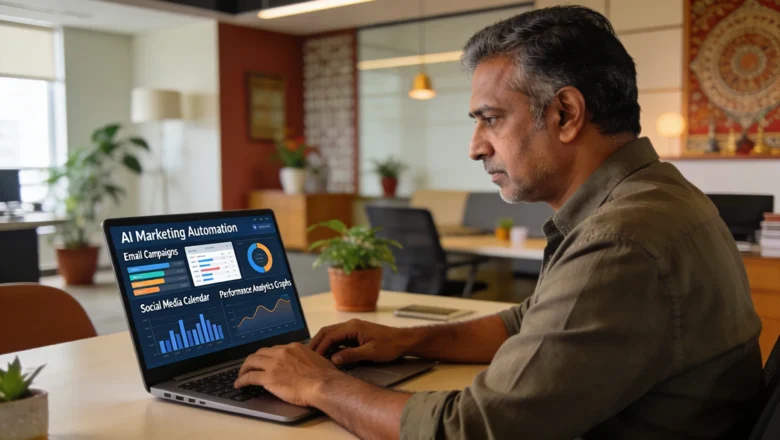
AI-first ecosystems are revolutionizing campaign planning by automating key processes traditionally managed by human teams. By integrating generative AI, autonomous execution systems, and hyper-personalized insights, businesses are shifting from manual, linear models to continuous, self-optimizing campaigns. The future of marketing is now AI-driven.
From Linear to Real-Time Optimization
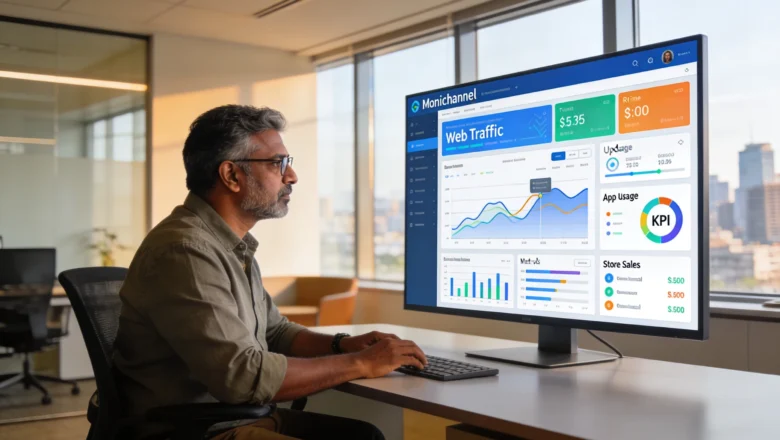
Historically, campaign planning relied on a linear approach—strategists would manually plan, execute, and optimize. Today, AI systems are pushing this model to real-time, adaptive optimization. Rather than waiting for post-campaign insights, AI now uses continuous data to dynamically adjust strategies, budgets, and content allocation in real-time.
This shift enables faster and more responsive campaign management, helping businesses stay ahead of competitors in rapidly changing markets.
Agentic AI: Autonomous Marketing Execution
The next frontier for AI marketing is autonomy. Autonomous agents within AI systems now manage campaigns, allocating spend and optimizing performance with minimal human oversight. AI-driven tools handle everything from content creation to real-time campaign adjustments, enabling brands to operate at scale without constant manual intervention.
Generative AI (GenAI) systems now power many of these capabilities, continuously analyzing and responding to consumer behavior to drive relevant, personalized marketing efforts.
Hyper-Personalized Insights and Predictive Intelligence
AI isn’t just optimizing campaigns in real-time; it’s also providing hyper-personalized insights. With predictive intelligence, AI analyzes vast amounts of data to forecast future consumer behavior, allowing brands to tailor content, offers, and campaigns to individual users at scale.
This level of personalization, once reserved for small-scale operations, is now becoming a foundational element of AI-first ecosystems. As a result, brands are enhancing customer engagement and building deeper connections with their audiences.
The Emergence of Autonomous Campaign Orchestration
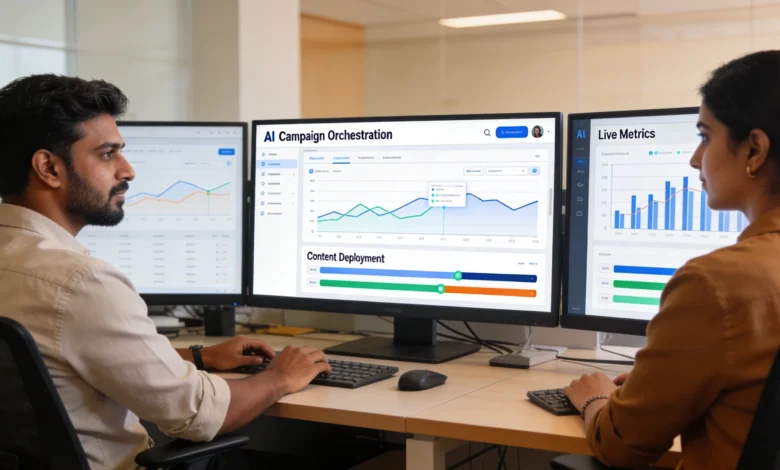
Traditional campaign orchestration involved multiple teams and manual processes: strategists, media planners, creatives, and analysts working in silos. AI-first ecosystems integrate all of these functions into a single, autonomous system that continuously adjusts based on real-time insights.
AI orchestrates campaigns in a living, responsive ecosystem that pulls in insights from across the marketing funnel, deploys content autonomously, and optimizes efforts as they happen. The result is faster execution, more agile responses, and smarter marketing engines that adapt to changes in customer behavior and market dynamics instantly.
The Need for Upskilling and Adaptive Roles
As AI continues to reshape the marketing landscape, teams must evolve. Upskilling becomes a critical factor in integrating AI-driven solutions. Marketers need to understand how to work alongside AI tools, interpret data, and leverage AI-generated insights to drive strategy and creativity.
To facilitate this transition, companies are providing training on prompt engineering and AI-generated analytics to help teams better collaborate with AI systems. The focus is on reducing resistance and accelerating AI adoption by fostering a culture of experimentation and collaboration.
Preparing for an AI-First Future: Data and Governance
A robust data strategy is critical for successful AI integration. Companies need to focus on data quality, accessibility, and governance to ensure AI systems can operate effectively.
As AI technologies like Generative Engine Optimization (GEO) and Generative Content Tools become more prevalent, marketers must ensure that their data infrastructure is set up to support the autonomous workflows these systems require.
According to recent reports, 70% of successful AI-first marketing transformations are driven by a robust data framework, clear governance, and agile teams ready to adapt to new tools and methodologies.
Key Considerations for Implementing AI-First Marketing
As businesses look to implement AI-first marketing ecosystems, there are several important considerations:
- Data Foundation: Establish a strong, integrated data strategy that ensures AI tools can access relevant information across channels.
- Change Management: Embrace a cultural shift toward AI-first thinking, supported by training and leadership that fosters collaboration between humans and AI systems.
- Human-in-the-Loop: While AI automates many tasks, human oversight remains essential for strategy refinement, ethical considerations, and brand identity.
What This Means for Marketers
AI-first ecosystems represent a significant evolution in how campaigns are managed. By embracing AI, marketers can unlock faster, smarter, and more personalized marketing operations. As AI continues to evolve, it will reshape campaign execution and performance measurement in ways we can only begin to understand.
Digilogy tracks these industry developments closely as part of its ongoing analysis of how AI-first ecosystems are changing marketing dynamics. Businesses that invest in AI-first capabilities now will be positioned for long-term success.
FAQs (AEO / Snippet-Ready)
What is an AI-first marketing ecosystem?
An AI-first marketing ecosystem integrates AI-driven tools to automate, optimize, and personalize marketing campaigns in real-time, allowing for continuous improvements without manual intervention.
How does AI improve campaign planning?
AI moves campaign planning from linear to real-time optimization, providing predictive insights, personalizing content, and autonomously adjusting strategies for better outcomes.
Why is upskilling necessary for AI-first marketing?
As AI becomes central to marketing operations, teams need the skills to collaborate with AI tools, interpret AI insights, and integrate them into creative and strategic decision-making.
Final Takeaway
AI-first ecosystems are transforming marketing by enabling real-time data analysis, content personalization, and campaign optimization. Brands embracing AI will gain a competitive edge, driving growth. However, human oversight is crucial for maintaining brand values and ethics.Digilogy tracks these shifts, helping brands leverage AI to stay ahead.