

LinkedIn Reduces External Link Visibility in Feed: What Creators and Brands Need to Know

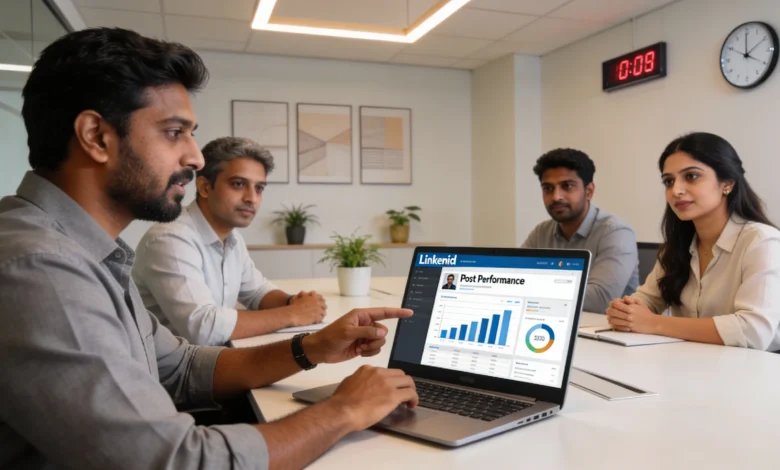
According to recent reports, LinkedIn is reducing the visibility of posts containing external links, prioritising content that keeps users on the platform. As a result, posts linking to blogs, websites, or YouTube videos are seeing significantly lower reach, forcing marketers and creators to rethink how they share outbound content.
Why LinkedIn Is Reducing External Link Visibility
Retention and Dwell Time Take Priority
Like most social platforms, LinkedIn optimises for user retention. Posts that push users off-platform reduce dwell time, making them less favourable in the feed ranking system.
Weak Early Engagement Signals
Posts with links often receive fewer likes or comments in the first hour. When early engagement is low, the algorithm assumes limited relevance and restricts further distribution.
Aggressive Spam Filtering
Content that heavily features links—especially without supporting context—is more likely to be flagged as promotional spam, further suppressing reach.
How Much Reach Is Actually Lost?
Industry observations suggest that posts containing external URLs can receive up to six times less reach compared to native posts with text, images, or documents. While LinkedIn has not published official numbers, this trend has been consistently reported by B2B marketers and content strategists.
Common Workarounds—and Their Limitations
The “Link in Comments” Method
Many users post without a link and place it in the first comment. However, LinkedIn’s “Most Relevant” comment filter may hide these links once a post gains traction.
Editing Posts After Publishing
Some creators add links a few minutes after posting. Recent feedback indicates this can stall momentum, effectively freezing reach.
Removing Link Previews
Deleting the auto-generated preview and replacing it with a native image or video can sometimes help the post perform like standard media content.
Formats LinkedIn Currently Favours
Native Content Wins Distribution
LinkedIn continues to push on-platform formats that encourage scrolling and interaction.
- PDF carousels (document posts)
- LinkedIn newsletters
- Native video and image posts
These formats consistently receive higher organic distribution than link-based posts.
The Rise of Zero-Click Content on LinkedIn
Zero-click content delivers the entire value directly in the feed, without requiring users to click away.
Examples include:
- Mini lessons or frameworks
- Short case-study summaries
- Step-by-step tactical posts
External links, if needed, become optional rather than essential.
What This Means for Brands and Marketers
For B2B brands, agencies, and founders, this shift signals a clear direction:
Content strategy must now be platform-first, not traffic-first.
Digilogy tracks these algorithmic shifts closely as part of ongoing LinkedIn performance analysis, helping brands align content formats with visibility signals rather than outdated distribution tactics.
FAQs: LinkedIn External Link Visibility
Does LinkedIn penalise posts with links?
LinkedIn does not publicly call it a penalty, but posts with external links are deprioritised due to lower retention signals.
Are links in comments still effective?
They can work, but visibility is inconsistent, especially once LinkedIn filters comments by relevance.
What content format works best on LinkedIn now?
Native formats like carousels, newsletters, and text-led zero-click posts currently see the strongest reach.
Can brands still drive traffic from LinkedIn?
Yes—but traffic must be earned through authority and engagement first, not direct linking.
Final Takeaway
LinkedIn’s reduced external link visibility reflects a broader platform shift toward on-site engagement and zero-click consumption. Brands that adapt by leading with native value—rather than outbound traffic—are far more likely to sustain reach and relevance.
If you want to structure LinkedIn content that maintains visibility while still supporting long-term growth goals, Digilogy helps brands design platform-aligned content strategies built for reach, authority, and consistency.