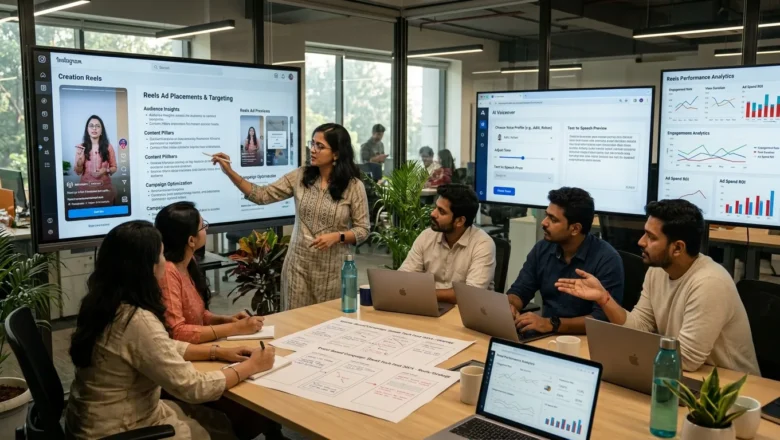
Instagram Expands ‘Reels Monetization’ with In-App Shopping


The Rise of Reels in the Digital Market
Instagram Reels has quickly become one of the most popular formats for content consumption. Short, engaging, and dynamic, Reels now dominate user feeds across demographics. But beyond entertainment, Instagram is reshaping how creators and brands approach revenue generation with the latest update: Reels Monetization integrated with in-app shopping.
What Does Reels Monetization Mean for Creators?
For creators, the expansion of Reels Monetization goes far beyond ad placements. With the addition of in-app shopping, content creators can directly showcase products within their videos. Viewers no longer have to leave Instagram to complete purchases—making the journey from discovery to checkout smoother than ever.
Creators can now:
- Earn from ad revenue linked to their Reels.
- Add product tags directly in their short videos.
- Collaborate with brands for sponsored campaigns.
- Boost engagement while converting audiences into customers.
This combination transforms Instagram into both an entertainment hub and a fully functional e-commerce space.
Why In-App Shopping Matters for Businesses
For businesses, in-app shopping embedded within Reels Monetization unlocks a new growth channel. Instead of relying solely on traditional ads or product listings, brands can connect with users where they spend the most time—inside engaging short videos.
Some benefits include:
- Frictionless shopping: Customers discover, explore, and purchase without leaving Instagram.
- Increased conversions: The shorter the buying journey, the higher the conversion rate.
- Authentic promotion: Products promoted by creators through Reels feel natural and relatable.
This shift reflects Instagram’s push to become a serious player in social commerce.
The Future of Social Commerce on Instagram
As competition rises across digital platforms, Instagram’s investment in Reels Monetization positions it as a leader in the social commerce space. With in-app shopping, the platform is not only giving creators new income opportunities but also equipping brands to reach target audiences effectively.
Combined with smart influencer collaborations and AI-driven recommendations, Reels may become one of the most powerful tools for driving direct sales. Businesses that adapt quickly will have a significant competitive advantage.
How Can Brands Leverage This Update?
To maximize opportunities from Reels Monetization, brands should:
1. Collaborate with Creators
Work with influencers who align with your niche. Their storytelling ability makes product promotions authentic.
2. Optimize for Visual Appeal
High-quality visuals, catchy music, and clear calls to action ensure your product stands out in Reels.
3. Track and Analyze Performance
Use Instagram’s analytics to track sales, engagement, and click-throughs. Optimizing these insights can fine-tune campaigns for better ROI.
4. Integrate with Marketing Strategy
Don’t treat Reels as an isolated tactic. Blend them with your wider digital strategy—SEO, paid ads, and content marketing—for maximum impact.
Digilogy: Your Partner in Driving Reels Success
At Digilogy, we understand that staying ahead in the digital market requires more than just creativity—it requires strategy. Our team specializes in helping brands leverage Instagram’s latest features like Reels Monetization and in-app shopping to scale engagement and revenue. Ready to maximize your brand’s impact on Instagram? Connect with Digilogy today and discover how we can turn Reels into revenue for your business.