

Google Core Update Shifts SEO for Indian Brands Toward Experience-Led Content


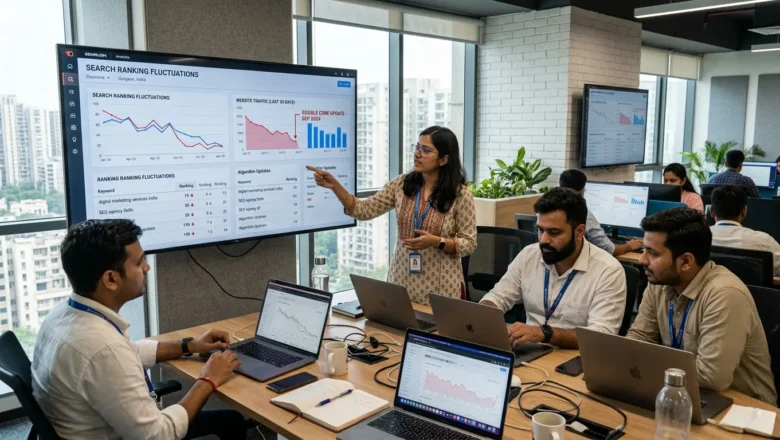
Recently, Google’s latest core update has reshaped how websites rank across search results. The update signals a major move toward experience-led SEO, where original insights, real-world expertise, and user-focused content play a larger role than traditional keyword-driven strategies.
For Indian brands, this means moving beyond mass-produced content and focusing on first-hand knowledge, authentic data, and strong user experience signals.
Experience Is Now a Key Ranking Signal
One of the most noticeable changes in the latest update is the emphasis on first-hand experience.
Google increasingly prioritizes content that demonstrates real interaction with a product, service, or subject.
Examples include:
- original product testing
- real client case studies
- authentic images and screenshots
- first-hand tutorials or walkthroughs
Content that simply summarizes information from other websites without adding new value is less likely to perform well.
Information Gain Becomes a Core Ranking Factor
Another important shift is Google’s growing focus on information gain.
Rather than rewarding pages that repeat existing information, the search algorithm now favors content that adds new insights or perspectives to the web.
This means successful content must:
- introduce unique data
- provide expert analysis
- include practical examples
- deliver fresh insights beyond existing search results
This approach encourages websites to contribute meaningful knowledge rather than replicate existing content.
E-E-A-T Signals Are Expanding Across All Content
Google’s E-E-A-T framework — Experience, Expertise, Authoritativeness, and Trustworthiness — is now influencing rankings across more industries.
Previously associated mainly with health or finance content, E-E-A-T signals now affect a broader range of topics.
Important signals include:
- verified author profiles
- expert bylines
- transparent company information
- credible external references
Many high-ranking websites now include detailed author pages and professional credentials to strengthen trust signals.
User Experience Signals Are Becoming Stronger
Technical performance and user engagement metrics are also gaining importance.
Google increasingly evaluates how users interact with websites after clicking search results.
Key factors include:
- page loading speed
- mobile usability
- scroll depth
- dwell time and engagement
Sites with slow load times or poor mobile experiences often experience ranking declines after major algorithm updates.
Content Freshness Plays a Larger Role
Search visibility now depends more heavily on content freshness and regular updates.
Content that remains unchanged for long periods may lose rankings if newer, more relevant information becomes available elsewhere.
Many SEO analysts recommend updating important pages with new insights, statistics, and improvements to maintain visibility in competitive search results.
The Rise of “Cite-Worthy” Content
Another emerging trend is the growing importance of being cited as a source.
Search systems and AI-generated answers increasingly reference authoritative sources when generating responses.
Websites that publish original research, unique datasets, or expert commentary are more likely to become trusted references in these systems.
This shift encourages brands to invest in research-driven and expert-led content strategies.
What Indian Brands Should Do Next
To adapt to the evolving search landscape, Indian businesses are adjusting their SEO strategies.
Common steps include:
- strengthening author profiles and credentials
- publishing original research or case studies
- improving technical performance and Core Web Vitals
- updating content regularly with fresh insights
- focusing on helpful, user-focused content structures
These changes help align websites with the principles emphasized in the latest core update.
FAQs
What is the latest Google core update about?
The update prioritizes experience-driven content, rewarding original insights, expert knowledge, and high-quality user experiences.
What does E-E-A-T mean in SEO?
E-E-A-T stands for Experience, Expertise, Authoritativeness, and Trustworthiness, which help search engines evaluate content credibility.
Why is original content important after the update?
Google now rewards content that adds new insights instead of repeating existing information across the web.
How does user experience affect SEO rankings?
Factors such as page speed, mobile usability, and engagement signals like dwell time can influence search visibility.
What should Indian brands do after the core update?
Brands should strengthen author expertise, publish original research, update content frequently, and improve technical performance.
Final Takeaway
Google’s latest core update highlights a fundamental change in search strategy: experience and originality now outweigh volume and repetition.
For Indian brands, long-term success in SEO will depend on producing authentic insights, expert content, and high-quality user experiences that genuinely help users.
Digilogy tracks these industry developments closely. For daily updates and insights, visit the Digilogy News page.