

Mandatory GBP Photos Live: Secure Chennai Local Rankings Faster

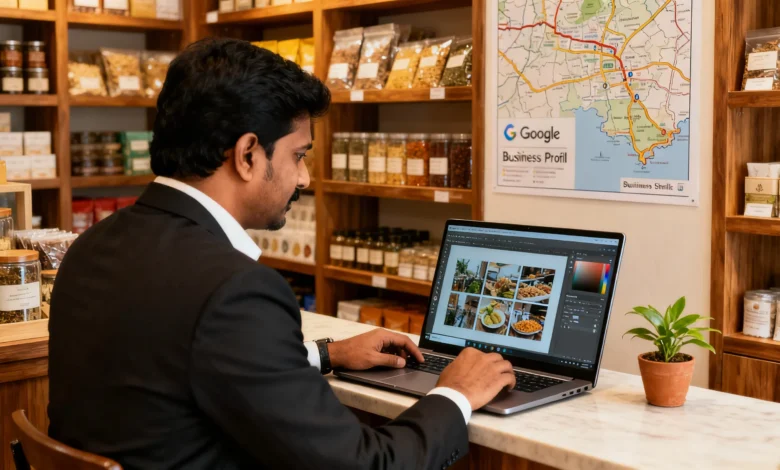
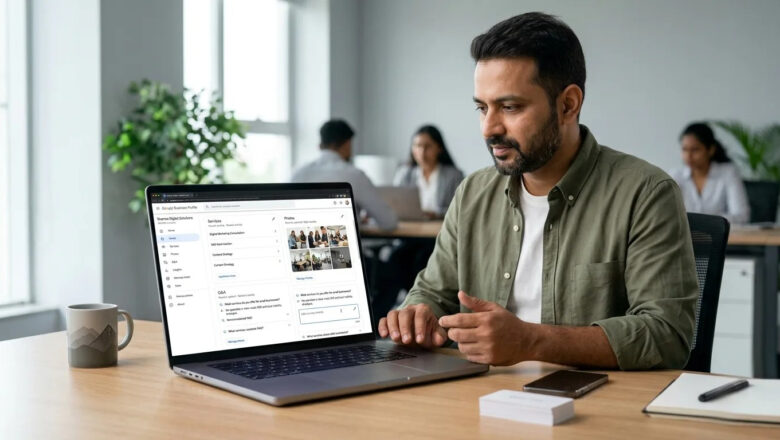
Google Business Profile optimization is increasingly dependent on visual content. According to recent reports, businesses that regularly upload authentic photos to their GBP listings see stronger engagement signals and improved local search visibility.
Photos help Google evaluate profile activity, relevance, and credibility. These signals influence how businesses appear in local search results and map-based queries.
In competitive markets such as Chennai, maintaining a visually active profile can make a significant difference in local ranking performance.
How Google Uses Photos in Local Ranking Signals
Google’s local algorithm evaluates several profile signals to determine which businesses appear prominently in search results.
Photos play an important role because they indicate that a business profile is active, legitimate, and regularly maintained.
When profiles consistently upload high-quality images of storefronts, services, staff, and customer experiences, it strengthens trust signals that influence local search positioning.
Key Benefits of Google Business Profile Photo Optimization
Increased Local Search Visibility
A well-maintained Google Business Profile with updated photos improves the chances of appearing in local searches.
Businesses with active profiles send stronger relevance signals to Google, helping them surface for location-based queries.
Higher Chances of Appearing in the Local Pack
The Local Pack refers to the top three business listings that appear in Google search results for location-based queries.
Appearing in this section dramatically increases exposure because users often interact with these listings before exploring other results.
Consistent profile optimization—including images—helps improve the likelihood of being featured in this highly visible section.
More Customer Engagement
Photos encourage interaction on Google Business Profiles.
Users frequently view images to evaluate businesses before deciding to visit, call, or request directions.
Profiles with a steady stream of fresh photos typically see stronger engagement through clicks, reviews, and Q&A activity.
Improved Credibility and Trust
Visual content builds confidence among potential customers.
Images of staff, products, facilities, and customer experiences help businesses appear more transparent and authentic.
This credibility often translates into higher conversion rates and increased customer inquiries.
Best Practices for Uploading GBP Photos
Businesses aiming to strengthen local search performance should treat their Google Business Profile like an active digital storefront.
Recommended practices include:
- Upload bright, clear, and authentic images
- Avoid generic stock photography
- Add storefront and office signage photos
- Showcase interior and exterior views
- Post photos regularly to demonstrate activity
Regular updates signal that the business is operational and responsive to customer engagement.
Why Location-Specific Content Supports GBP Performance
Local SEO strategies increasingly combine GBP optimization with location-focused content.
Creating blog posts, guides, and resources tailored to local audiences helps reinforce geographic relevance in search results.
When businesses use local keywords, location schema markup, and locally relevant content, it strengthens their ability to rank for “near me” searches.
The Growing Role of GBP in Local Discovery
Google Business Profile continues to be one of the most influential platforms for local discovery.
Consumers frequently rely on Google Maps listings to evaluate businesses based on reviews, photos, and profile details.
Profiles that maintain accurate information, consistent updates, and authentic imagery often perform better in both map searches and local organic results.
Snippet-Ready FAQs
Why are photos important for Google Business Profile rankings?
Photos help demonstrate that a business profile is active and trustworthy. Updated images improve engagement signals and increase visibility in local search results.
How often should businesses upload GBP photos?
Businesses should upload photos regularly—weekly or biweekly—to maintain profile activity and show that the business is operational.
What types of photos should be added to Google Business Profile?
Businesses should upload storefront images, interior photos, staff images, product photos, and customer experience visuals.
Can photos help a business appear in Google’s Local Pack?
Yes. Active profiles with high-quality images and strong engagement signals have a higher chance of appearing in the Local Pack.
Final Takeaway
As local search competition continues to grow, businesses need to treat their Google Business Profile as an actively managed digital asset rather than a one-time setup.
Regular photo uploads, accurate profile updates, review management, and location-focused content all contribute to stronger visibility, better engagement, and greater trust in local search results.
For businesses looking to improve their presence in Google Maps and local search ecosystems, Digilogy offers Google Business Profile optimization, local SEO strategy, review and reputation management, profile content updates, location-based keyword support, and ongoing performance-focused optimization services designed to strengthen local ranking performance.
If your business wants to improve local visibility, build trust, and appear more consistently in the Google Local Pack, contact Digilogy to explore the right GBP optimization strategy for your brand.