


Quick Commerce in India: The Surge, Expansion, and Future Growth Prospects

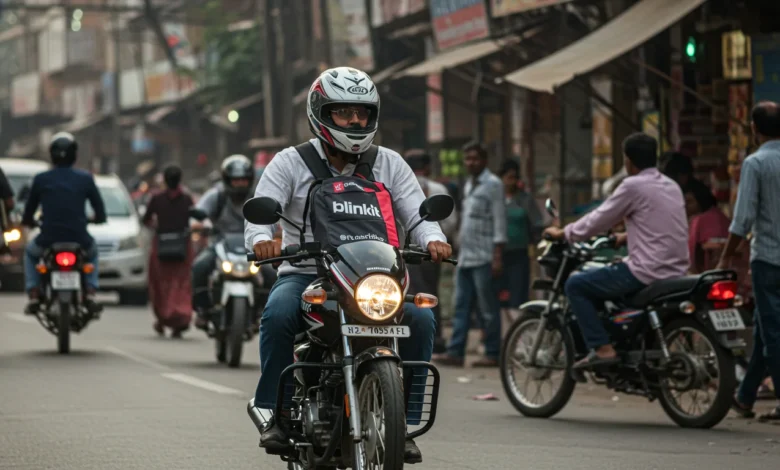
Quick commerce (Q-commerce) in India has experienced phenomenal growth, driven by consumer demand for convenience and speed in home delivery services. With a projected market size between USD 3.34 billion and USD 5 billion by 2025, Q-commerce is set to surpass traditional retail and e-commerce sectors in growth rate. This article explores the key drivers behind Q-commerce’s expansion and its potential for the coming years.
Key Developments
- Record Orders on Peak Days: During peak periods like New Year’s Eve, Q-commerce platforms such as Zomato, Blinkit, and Swiggy Instamart reported unprecedented demand. Zomato and Blinkit alone delivered over 75 lakh orders during this time.
- Strong Growth in Tier-2 Cities: The Q-commerce market in India is not only growing in metropolitan areas but is also expanding rapidly into Tier-2 and smaller cities, highlighting a fundamental shift in consumer preferences toward speed and convenience.
- Projected Market Growth: The Indian Q-commerce market is estimated to grow at an annual rate of 75% to 85%, surpassing traditional retail and the broader e-commerce industry. By 2025, the sector is projected to reach USD 5 billion, driven by increased consumer adoption and a wider range of services offered by leading players.
- Expansion into New Product Categories: Beyond groceries, Q-commerce platforms are expanding into other product categories, which is further fueling the market’s growth. The diversification into non-grocery items aligns with evolving consumer expectations for fast, doorstep delivery of a wide array of products.
Industry & Expert Context
Q-commerce players like Zomato, Blinkit, and Swiggy have become key players in reshaping India’s delivery and logistics market. Blinkit, owned by Zomato, leads the space with a dominant market share of 45%. These companies have successfully capitalized on the growing demand for ultra-fast delivery, particularly in urban and peri-urban areas.
Additionally, as platforms race to differentiate themselves in a competitive landscape, they’re focusing on improving their logistics networks and expanding into new product categories to boost their customer base. These strategic moves position Q-commerce firms to secure long-term consumer loyalty.
Experts predict that, as competition intensifies, Q-commerce players will continue to innovate, introducing AI-powered logistics systems, further streamlining delivery operations, and enhancing the overall customer experience.
Why This Matters
The rapid growth of the Indian Q-commerce market underscores a major shift in consumer behavior, with a preference for convenience and speed taking precedence. For businesses, this offers an opportunity to tap into the growing demand for fast, on-demand services, particularly in Tier-2 and smaller cities, where internet penetration and mobile usage are expanding.
As the market matures, the role of logistics and efficient supply chain management will become even more crucial. Brands that invest in these areas early on will be well-positioned to capitalize on future growth, while companies that fail to keep up may risk losing market share to more nimble competitors.
Digilogy, as an industry observer, tracks the rapid developments in this sector and provides valuable insights for brands seeking to optimize their marketing strategies in the fast-evolving world of quick commerce.
What Happens Next
As Q-commerce continues to grow, companies will need to focus on maintaining high standards of customer service, ensuring that delivery times are minimized and that products meet the growing expectations of consumers. Innovation in supply chain logistics, AI-driven automation, and the use of cutting-edge technology will play a pivotal role in sustaining this growth.
Further market expansion is anticipated in smaller cities, and Q-commerce platforms will likely continue to diversify their product offerings. The integration of new services such as live-streaming commerce, where products are sold via real-time broadcasts, will also contribute to the sector’s expansion.
Final Takeaway
Quick commerce in India is rapidly reshaping the retail landscape, driven by consumers’ increasing demand for convenience, speed, and variety. As platforms expand into new product categories and geographies, the sector’s growth potential remains robust. With projections indicating a market size of up to USD 5 billion by 2025, brands must remain agile and adapt to the evolving expectations of today’s on-demand consumers.
For businesses looking to stay competitive in this fast-growing market, understanding the intricacies of Q-commerce and embracing technological advancements is key. Digilogy continues to monitor these trends, offering insights and strategies to help brands succeed in the expanding Indian Q-commerce market.