

Creator Economy Brand Partnerships Shift From Ads to Co-Creation

The creator economy is rapidly reshaping how brands work with talent, moving away from one-off sponsored posts and toward structured, repeatable partnerships.
According to Goldman Sachs, the creator economy’s total addressable market could reach around $480 billion by 2027, up from about $250 billion previously estimated.
This shift is changing the “brand partnership” playbook from media buying to relationship building—where creators influence strategy, distribution, and trust.
From “pay-per-post” to co-creation and shared creative systems
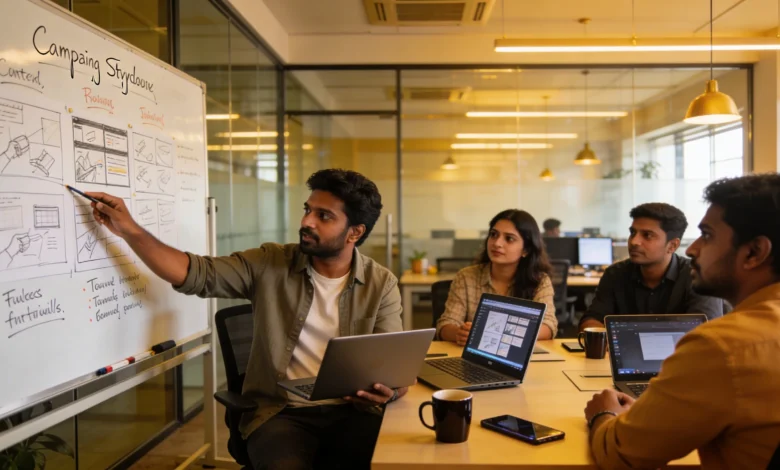
More brands are treating creators as collaborators, not just paid inventory.
Instead of briefing creators at the final stage, brands are involving them earlier in ideation, creative direction, and content planning—so the output feels native to the audience and consistent with the creator’s voice. Industry commentary describes this phase as a move toward longer-term, co-created partnerships built on authenticity and shared goals.
What co-creation looks like in practice
- A creator helps shape the campaign concept and content angles, not just execution.
- Brands build content “series” and repeatable formats instead of single posts.
- Performance learnings feed into the next wave, like a mini content lab.
For brands, the upside is compounding returns: better creative resonance, lower fatigue, and more consistent audience trust.
Long-term advocacy is replacing short-term reach chasing
Brand teams are increasingly prioritizing credibility and conversion pathways over headline follower numbers.
Always-on ambassador programs—built around a small set of aligned creators—help reduce the boom/bust cycle of one-time influencer spikes. They also improve message consistency across launches, seasonal pushes, and product iterations.
At the same time, measurement expectations are rising. Recent IAB research projects U.S. creator economy ad spend reaching $37 billion, signaling that creator media is being treated as a core “must-buy” line item rather than experimental spend.
Micro-communities are making niche creators strategically valuable
As online culture fragments, brands are finding that influence often lives inside smaller, interest-led communities.
Recent reporting highlighted research indicating 88% of Americans engage in micro-communities, reinforcing why niche relevance can outperform mass messaging.
That doesn’t mean every brand should abandon large creators. It means creator selection is becoming more portfolio-based:
- Mega creators for awareness and mainstream credibility
- Mid-tier creators for repeatable reach + stronger relevance
- Micro/nano creators for deep trust and category expertise
Performance-based compensation is rising across creator deals
One of the clearest changes in creator economy brand partnerships is how compensation is structured.
Brands are increasingly blending fixed fees with outcome-based models:
- Affiliate commissions tied to sales
- Revenue share on product bundles
- Bonuses for qualified leads, sign-ups, or trials
- Hybrid retainers for always-on programs
This aligns creator incentives with business outcomes and helps brands reduce the “vanity metrics” trap.
Social commerce is accelerating the creator-to-purchase loop
Creators aren’t only driving awareness—they are increasingly driving transactions through shoppable content, affiliate storefronts, and platform-native checkout experiences.
Salesforce notes global social commerce sales are estimated to reach $2.9 trillion by 2026, underscoring why creator content is now tightly connected to conversion strategy.
As a result, brands are moving creator partnerships closer to:
- merchandising and offer strategy
- landing page testing
- paid amplification decisions
- attribution and incrementality analysis
Creators are acting like entrepreneurs, not just publishers
Another major shift: creators are building business assets that look more like modern brands.
Across the market, creators are launching creator-owned product lines and expanding into newsletters, podcasts, communities, and live experiences—often to reduce platform dependency and own audience relationships.
For brands, this changes partnership design. The creator may bring:
- owned distribution (email, community, podcast)
- stronger first-party signals
- deeper audience knowledge than platform insights alone
B2B creator partnerships are expanding through LinkedIn
B2B partnerships are evolving beyond traditional “corporate voice” marketing.
LinkedIn has become a key channel for industry-expert creators—consultants, analysts, operators—who build trust through repeatable educational content. This trend is reshaping how B2B brands think about authority, thought leadership, and lead quality, especially when the creator is seen as a practitioner rather than a promoter.
Challenges: the measurement gap and influencer fatigue risks
Despite the growth, brands face two persistent challenges:
1) Measurement gap
Many teams still report likes, views, or engagement without tying creator spend to:
- CAC impact
- pipeline contribution
- conversion rates
- incrementality versus paid media
2) Audience fatigue
Overly polished creator ads can trigger skepticism, particularly when audiences detect scripted messaging or mismatched brand fit. This is pushing brands toward more UGC-like creative, clearer disclosures, and more selective creator alignment.
There’s also active debate in the market about creator tier strategy—some reporting suggests marketers have shifted budgets toward larger creators for reach, even as performance-based approaches remain important for many programs.
What brands are changing right now
Brands updating their creator programs tend to focus on:
- tighter creator-category fit (expertise over general lifestyle reach)
- clear usage rights and repurposing rules (organic + paid + web)
- performance frameworks (affiliate, lead quality, conversion paths)
- fewer creators, deeper relationships (to build trust and consistency)
FAQs:
What are creator economy brand partnerships?
Creator economy brand partnerships are structured collaborations between brands and creators that combine content, distribution, and trust to influence awareness, consideration, and conversions across platforms.
Why are brands moving away from pay-per-post deals?
Because one-off sponsorships often fail to build trust or measurable outcomes. Long-term programs improve creative quality, reduce fatigue, and create compounding performance learnings over time.
How do brands measure creator partnerships beyond likes and views?
Stronger measurement connects creator activity to outcomes such as affiliate sales, qualified leads, CAC, conversion rate, and incrementality versus paid media.
Are micro-creators better than mega influencers?
Not universally. Micro-creators can be stronger for niche trust and category credibility, while mega creators can drive broad awareness. Many brands now use a portfolio approach across tiers.
What compensation models are becoming common?
Hybrid deals are growing: fixed fees + affiliate commissions, revenue share, and bonuses tied to measurable outcomes, especially as social commerce grows.
Final takeaway
Creator economy brand partnerships are maturing into a repeatable growth channel—where co-creation, micro-community relevance, and performance-linked structures matter more than one-time reach.
As an industry observer, Digilogy tracks these shifts closely and can help brands structure creator partnerships with clearer KPIs, better-fit creator selection, and scalable performance models. If you want to build or rebuild a creator program, reach out via the relevant service page link you’re planning to place.