

Content Marketing Budget Increases for 2026 in India


Content marketing budgets in India are seeing renewed momentum as brands prepare for 2026. According to recent reports, organisations are increasing investment in owned content, video, and AI-driven efficiency, shifting focus from volume-led campaigns to measurable, long-term growth strategies.
Key Developments
Marketing leaders across India are allocating higher budgets to content marketing, particularly in areas that deliver compounding value over time. Video-first formats, short-form content, and owned platforms are receiving priority over one-off campaigns.
Rather than increasing spend indiscriminately, companies are focusing on efficiency-led execution. Content systems that can be reused, repurposed, and optimised across channels are becoming central to budget planning.
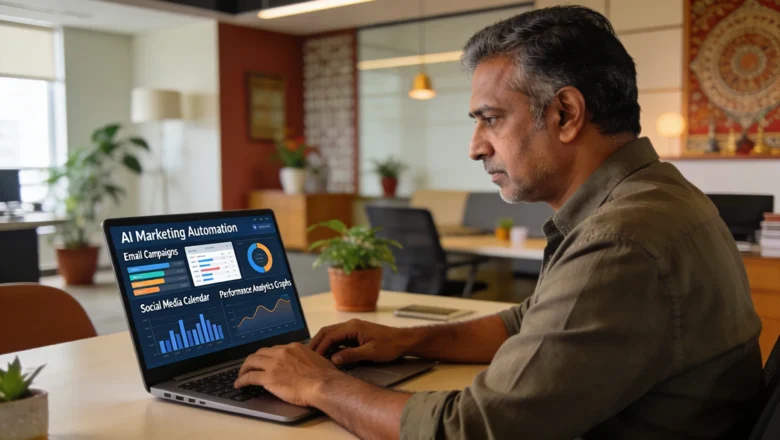
AI-powered tools are also playing a larger role. Brands are using AI for content personalisation, automation, and performance tracking, allowing teams to scale output without proportional increases in cost.
Industry & Expert Context
Industry analysts note that rising digital advertising costs have pushed marketers to reassess how budgets are deployed. Content marketing is increasingly viewed as a long-term asset rather than a short-term traffic lever.
Trends such as short-form video, creator-led storytelling, and first-party data utilisation are shaping content strategies. Platforms like YouTube Shorts, Instagram Reels, and owned blogs are being prioritised for sustained audience engagement.
Marketing leaders are also being asked to operate with financial discipline. CMOs are expected to justify content investments with clear attribution models, aligning closely with finance teams and revenue outcomes.
Digital marketing agencies, including Digilogy, which monitor content and media trends in India, observe that brands are favouring systems that balance brand-building with performance accountability.
Why This Matters
For businesses, increased content marketing budgets signal a shift toward sustainable growth. Brands are no longer chasing reach alone but investing in trust, consistency, and relevance.
For marketing teams, the emphasis on efficiency changes how success is measured. Creative reuse, modular content, and data-backed optimisation are now as important as originality.
For the broader industry, this trend reinforces content marketing’s role as a core business function rather than a supporting tactic, especially in an environment of economic caution.
What Happens Next
Looking ahead, content marketing strategies in India are expected to become more system-driven. AI-assisted workflows, unified measurement frameworks, and deeper integration with CRM and analytics platforms are likely to expand.
Brands may also increase focus on owned channels, reducing dependency on volatile ad platforms. The ability to demonstrate consistent ROI will remain central to budget approvals.
Final Takeaway
The rise in content marketing budgets for 2026 reflects a strategic reset rather than unchecked optimism. Indian brands are investing in content that compounds value, prioritises efficiency, and delivers measurable outcomes.
Digilogy tracks these developments closely as part of its ongoing analysis of digital marketing trends in India. For regular insights and industry updates, visit the Digilogy News page.