

Meta Testing New Ad Analytics Dashboard



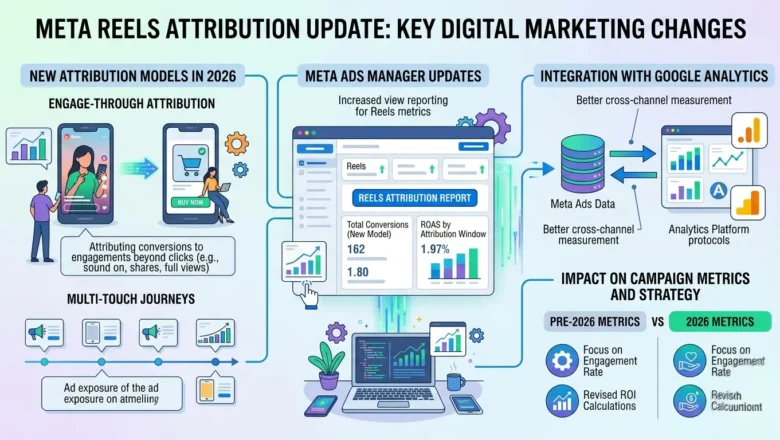
Meta is currently testing a new Ad Analytics Dashboard designed to enhance the management and optimization of advertising campaigns on its platforms, including Facebook and Instagram. This new feature promises to provide businesses with more detailed insights into ad performance, allowing them to make data-driven decisions and improve campaign outcomes. The dashboard aims to help advertisers maximize their ad budgets and make smarter decisions, ultimately increasing the effectiveness of their campaigns.
Key Features of the New Dashboard
User-Friendly Interface
The new Meta Ad Analytics Dashboard is designed to be user-friendly and easy to navigate. Whether you’re a small business owner or an experienced marketer, this intuitive interface provides easy access to essential metrics such as reach, engagement, conversions, and ad spend. The simplicity of the dashboard ensures that users can quickly understand the key performance indicators (KPIs) that matter most to their campaigns.
Real-Time Analytics
One of the key features of this new dashboard is its ability to provide real-time analytics. With this, advertisers can monitor campaign performance as it happens, ensuring that they can make timely adjustments to their strategies. This feature helps marketers track which ads are generating the most engagement and which ones need fine-tuning, allowing them to make quick, data-driven decisions and improve overall campaign performance.
Campaign Management Tools
Another standout feature of the Meta Ad Analytics Dashboard is its comprehensive set of campaign management tools. These tools allow businesses to manage ad spend, allocate budgets effectively, and segment audiences based on specific demographics, behaviors, and interests. The ability to control these elements in real time provides advertisers with more flexibility and power when optimizing their campaigns for the best return on investment (ROI).
Custom Reporting
Meta’s new dashboard offers custom reporting capabilities that enable businesses to generate reports that are tailored to their specific advertising goals. This is a critical feature for businesses that want to track their progress and show stakeholders exactly how their ads are performing. Customizable reports ensure that marketers can focus on the data that matters most, whether it’s click-through rates, conversion rates, or any other KPI that aligns with their objectives.
Benefits for Advertisers
The introduction of the Meta Ad Analytics Dashboard will likely transform how advertisers approach their campaigns on Meta platforms. With a focus on real-time data, more robust targeting capabilities, and improved performance tracking, the dashboard provides several key benefits for advertisers.
Optimize Campaigns
The data available within the dashboard allows businesses to optimize their campaigns more effectively. By analyzing detailed performance metrics, advertisers can identify which ads are performing well and which are underperforming. This insight gives businesses the opportunity to make adjustments to their ads, improving targeting, creative, or messaging to maximize results. In turn, this helps businesses make the most of their ad budgets, ensuring every dollar spent is driving results.
Enhance Targeting
Targeting is a critical component of successful advertising. Meta’s new dashboard enhances targeting by allowing advertisers to segment audiences based on various criteria, such as demographics, location, and behavior. This ensures that ads are displayed to the most relevant audiences, improving the likelihood of engagement and conversion. By showing the right ads to the right people, businesses can increase the effectiveness of their campaigns and reduce wasted ad spend.
Automate Data Management
With integration tools like SaveMyLeads, Meta’s Ad Analytics Dashboard can automate the process of data transfer between Meta Ads and other platforms. This automation reduces the manual work required to manage campaign data, allowing marketers to focus more on strategic decisions rather than routine administrative tasks. By automating data management, businesses can work more efficiently and scale their efforts with less time spent on manual processes.
Achieve Greater Ad Success with Digilogy’s Expertise
Meta’s new Ad Analytics Dashboard represents a significant step forward for advertisers looking to optimize their ad campaigns on Facebook, Instagram, and other Meta platforms. By offering real-time analytics, a user-friendly interface, custom reporting, and enhanced campaign management tools, the dashboard makes it easier for businesses to track performance, optimize ad spending, and improve ROI.
At Digilogy, a Social Media Company in Chennai, we understand the importance of data-driven decision-making for online success. If you’re looking to boost your digital advertising efforts and improve ad performance, our team of experts is here to help. As a Social Media Consultant in Chennai, we offer customized solutions designed to enhance your online presence and drive organic traffic to your ecommerce platform. Contact Digilogy today to learn more about how we can help you optimize your ad campaigns and achieve long-term business growth.