

Flipkart Releases #FlipTrends2025 as Gen Z Redefines India’s E-Commerce Habits

Recently, Flipkart released its annual #FlipTrends2025 report, offering a data-led view of how India’s digital shopping behaviour has evolved. The findings highlight Gen Z’s influence on discovery, the rise of Tier 2 cities in premium demand, and video-led commerce becoming a daily habit.
Key Developments
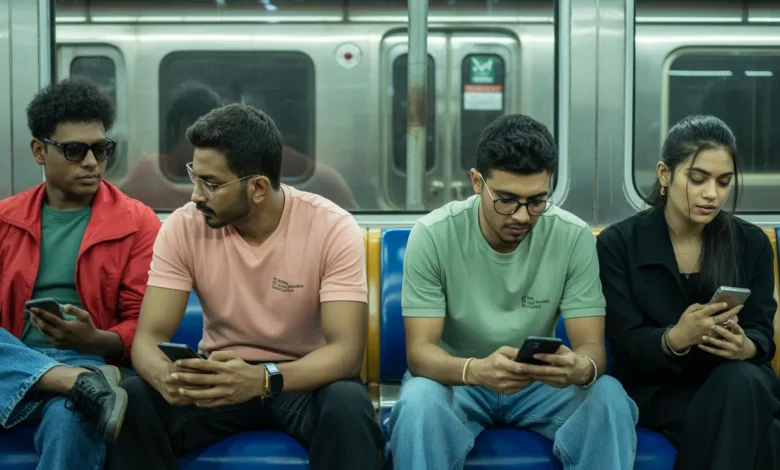
According to #FlipTrends2025, Gen Z is driving a shift toward scroll-led discovery, where shopping decisions increasingly originate from social feeds, short videos, and creator-led content rather than traditional search.
The report also shows Tier 2 cities leading demand for premium products, often bypassing entry-level purchases in favour of quality, convenience, and faster delivery experiences.
Video shopping has transitioned from experimentation to routine behaviour. Short-form content, livestreams, and influencer-led formats now play a central role in product discovery across fashion, beauty, and consumer technology.
Quick commerce has similarly evolved into an everyday reflex. Faster fulfilment expectations are reshaping consumer loyalty, particularly among younger and digitally native buyers.
Industry & Expert Context
Flipkart’s insights position India as a maturing digital economy where content and commerce are increasingly interconnected. Shopping is no longer a linear journey but an extension of everyday digital interactions.
Rajneesh Kumar, Chief Corporate Affairs Officer at Flipkart, described 2025 as the year India emerged as a “confident digital nation,” where viral content translated rapidly into real-time purchasing behaviour.
Beyond consumer trends, Flipkart also reported strong marketplace momentum. Seller participation increased significantly, supported by platform tools such as NXT Insights and an enhanced Seller Hub, designed to improve onboarding, analytics, and settlement speed.
These developments align with broader industry signals indicating that India is moving from digital adoption to digital leadership, influencing global commerce models.
Why This Matters
For consumers, the shift reflects a more immersive and intuitive shopping experience where discovery, decision-making, and purchase happen within the same digital environment.
For brands and sellers, the findings underscore the importance of video-first storytelling, creator partnerships, and rapid fulfilment strategies to remain competitive.
Tier 2 cities emerging as premium growth drivers also challenge long-held assumptions about price sensitivity outside metros, reshaping national go-to-market planning.
What Happens Next
As Gen Z’s purchasing power grows, platforms are expected to further integrate content, commerce, and logistics into seamless experiences.
Video-led shopping, quick commerce, and regional demand diversification are likely to define the next phase of India’s e-commerce evolution, with marketplaces investing deeper in creator ecosystems and seller enablement.
Brands that adapt to scroll-first discovery and regional premium demand will be better positioned for long-term growth.
Final Takeaway
#FlipTrends2025 highlights how India’s e-commerce landscape is being reshaped by younger consumers, regional markets, and content-driven shopping behaviour. The shift signals a move beyond convenience toward experience-led digital consumption.
Digital marketing agencies such as Digilogy track these ecosystem changes closely to understand how evolving consumer behaviour impacts brand discovery, engagement, and commerce performance across India.