

Visual Storytelling Dominates Brand Campaigns in Q1 2026

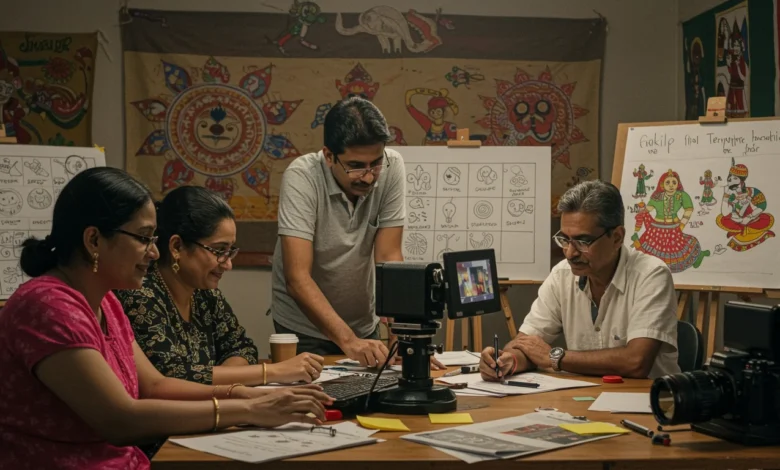
In Q1 2026, visual storytelling has become the leading trend in brand campaigns. As the market becomes saturated with generic AI content, brands are increasingly turning to authentic, raw, and narrative-driven content to foster deeper emotional connections with their audiences.
Key Developments
The shift towards data-driven and user-focused storytelling is reshaping how brands communicate with consumers. No longer is the polished, high-production content the norm; instead, companies are opting for more authentic and relatable narratives. For example, Parle-G’s recent Lohri 2026 campaign focuses on family connections, cultural relevance, and emotions, far from the usual product-driven messages.
Brands like boAt, Mamaearth, and Blinkit are taking the lead by using interactive media and videos that emphasize authenticity. These companies are leveraging user-generated content (UGC) and real-world stories to build trust with their audiences. AI-generated content has flooded the digital space, making these emotionally resonant, human-centric narratives stand out even more.
Parle-G’s campaign around Lohri highlights this change. The ad focuses on emotions and everyday moments during the festival, reflecting cultural and community values rather than simply promoting a product. By connecting with audiences through shared experiences and cultural symbols, Parle-G has fostered a deeper connection with its consumers, proving that storytelling based on cultural relevance and emotional engagement can outperform typical advertising approaches.
Industry & Expert Context
This move toward more human-centered content reflects a larger trend in the marketing world. According to experts, trust has become a central currency for brands in 2026. With so much content vying for attention, transparency and authenticity are key to breaking through the noise. Consumers are no longer satisfied with generic, impersonal ads—they want to engage with brands that are open, relatable, and in tune with their values.
The rise of AI in content creation has led to an overwhelming flood of uniform, machine-generated material. To stand out, brands need to embrace creative storytelling that appeals to real human emotions. This shift is reflected in the content strategies of major players like Swiggy, Blinkit, and Lenskart, who are using data insights to craft campaigns that resonate with their audience’s needs and desires.
Moreover, the focus on authenticity has led brands to embrace user-generated content (UGC), with influencers and real customers taking center stage in campaigns. This shift is particularly significant for Gen Z, who demand more personalized and genuine interactions with brands.
Why This Matters
The rise of visual storytelling and authentic content is not just a trend—it’s a fundamental shift in how brands build loyalty and trust. In an age where consumers are bombarded with content, brands that can create emotional connections will drive deeper engagement and long-term loyalty.
For businesses, this represents an opportunity to rethink marketing strategies. The era of transactional marketing is over; today’s consumers want brands to be authentic, relatable, and transparent. This move towards human-driven stories is not only more engaging but also more effective at fostering consumer trust and emotional loyalty.
What Happens Next
As we move further into 2026, visual storytelling will continue to evolve, driven by advances in technology like AI and interactive media. Brands will explore new formats like immersive AR and VR experiences, further blurring the lines between digital and physical worlds. Campaigns will focus even more on real-time user data to create hyper-targeted and personalized content that speaks directly to individual consumers.
The trend of using cultural relevance to enhance storytelling is also expected to gain momentum, as brands recognize the power of connecting with consumers on a deeper, more emotional level. This means a continued focus on campaigns that reflect shared cultural moments, everyday experiences, and human connections.
Final Takeaway
The dominance of visual storytelling in brand campaigns reflects a broader shift towards more authentic, data-driven marketing. As brands strive to build lasting emotional connections, they will continue to embrace human-centric narratives and cultural relevance. In this new era of marketing, authenticity is key to gaining consumer trust and fostering long-term loyalty.
Digilogy tracks these industry developments closely. For daily updates and insights, visit the Digilogy News page.