


Influencer Content Retains Higher Recall Than Ads

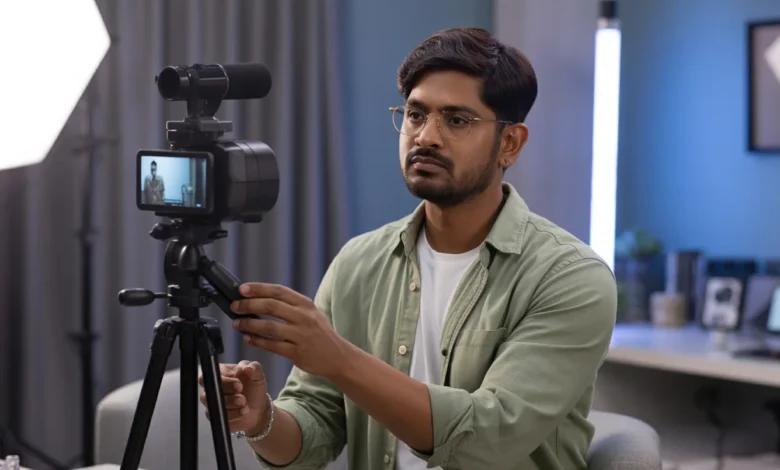
Influencer content recall is consistently outperforming traditional advertising formats, according to recent industry observations. As audiences spend more time engaging with creator-led content, familiarity and perceived authenticity are playing a growing role in how messages are remembered across social platforms.
Key Developments
Recent performance analyses indicate that influencer content delivers stronger recall compared to standard display or video advertisements. Audiences are more likely to remember brand messages when they are integrated naturally into creator narratives.
Short-form video formats are contributing significantly to this trend. Creator-led reels, shorts, and stories allow messages to appear in environments where users are already attentive and receptive, rather than interruptive.
Another key development is the longevity of influencer content. Unlike paid ads that stop performing once budgets end, creator content often continues to circulate through shares, saves, and algorithmic resurfacing.
Industry & Expert Context
Marketing experts attribute higher recall rates to trust dynamics within creator-audience relationships. Followers often perceive influencers as relatable and credible, which increases message retention compared to overt brand advertising.
Platforms supporting creator ecosystems are also amplifying this effect. Algorithms tend to prioritise native, engagement-driven content over direct promotional material, further extending influencer reach.
Digital marketing observers, including agencies such as Digilogy, note that brands integrating influencer content into broader communication strategies are seeing stronger memory retention and audience resonance.
Why This Matters
For brands, higher recall translates into improved awareness, consideration, and long-term brand association. Messages that are remembered are more likely to influence future decisions, even if immediate conversions are not tracked.
From the audience perspective, influencer content feels less disruptive and more aligned with personal interests. This enhances receptivity while reducing ad fatigue commonly associated with repetitive paid placements.
In competitive digital environments, recall efficiency has become as important as reach.
What Happens Next
Brands are expected to refine influencer strategies by focusing on creator relevance rather than follower volume alone. Long-term collaborations, niche creators, and content co-creation are likely to gain prominence.
Measurement frameworks may also evolve to track recall, sentiment, and downstream impact rather than only clicks and impressions.
Final Takeaway
The higher recall of influencer content compared to traditional ads highlights a shift toward trust-led communication. Brands prioritising authentic creator partnerships are better positioned to remain memorable in crowded digital feeds.
Industry analysts and digital marketing agencies, including Digilogy, continue to track how influencer content influences brand recall and audience behaviour.
Organisations evaluating influencer-led strategies can explore these insights further by connecting with Digilogy.
FAQ
Why does influencer content have higher recall?
Influencer content feels authentic and familiar, making brand messages easier for audiences to remember.
Is influencer marketing more effective than ads?
Influencer marketing often delivers stronger recall, while ads may still perform better for immediate reach and conversions.
How should brands measure influencer content performance?
Beyond engagement, brands should track recall, sentiment, and long-term brand lift indicators.