

Google Ads Launches Cross-Platform Ad Integration



Introduction: A Big Step Towards Unified Advertising
Google Ads has unveiled a groundbreaking feature—Cross-Platform Ad Integration—that allows advertisers to manage and synchronize campaigns across Google platforms more efficiently than ever before. This enhancement is designed to streamline ad management, maximize visibility, and deliver cohesive experiences across YouTube, Google Search, Display Network, and third-party apps. This new capability marks a major shift for digital marketers aiming to create holistic strategies with improved ROI.
What Is Cross-Platform Ad Integration?
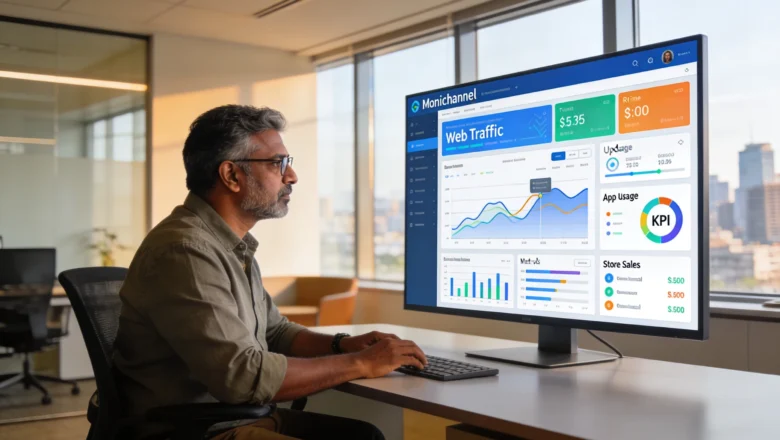
This new feature enables advertisers to create, edit, and track campaigns across various Google-owned platforms from a single interface. Until now, marketers had to manage campaigns in separate silos, limiting their ability to optimize strategies quickly. With this integration, campaign performance data is unified, offering marketers more actionable insights and the ability to reallocate budgets in real time.
For example, a retailer can now simultaneously run a video ad on YouTube and a responsive ad on the Google Display Network while adjusting messaging and audience targeting from one dashboard. Marketers can ensure consistent branding while optimizing performance across all Google touchpoints.
Benefits for Retailers and E-Commerce Brands
- Retailers and e-commerce businesses stand to benefit the most from this integration. With more consumers switching between devices and platforms during their purchase journey, it’s vital to maintain visibility and consistency. This feature allows for synchronized messaging, improved attribution tracking, and seamless user experiences.
- E-commerce advertisers can now unify their Google Search ads with shopping ads and video campaigns, ensuring that potential customers receive a consistent brand message regardless of the platform they interact with. By gaining a holistic view of campaign performance, marketers can now identify high-performing assets and allocate budgets more strategically.
Enhanced Reporting and Automation Features
- The Cross-Platform Ad Integration also brings robust reporting and automation tools. Marketers can analyze user behavior and conversions across channels in one place, improving campaign measurement. Google’s AI can now help automatically suggest budget reallocations, ad format optimizations, and audience refinements based on cross-channel performance.
- These insights make it easier to personalize the customer journey. For instance, if a user watches a YouTube product review video, they may later see a Google Shopping ad for that same product while searching on Google. This journey is now fully trackable and measurable.
Impact on Small and Mid-Sized Businesses
- While large brands have the resources to manage complex ad campaigns, this integration levels the playing field for small and mid-sized businesses. By simplifying campaign management and providing access to unified data, it empowers smaller advertisers to compete more effectively.
- Budget efficiency is a key benefit. Instead of guessing which platform deserves more spend, businesses can rely on real-time performance indicators. This means better ROI without hiring large marketing teams or external agencies.
How Marketers Should Respond
To take full advantage of this update, marketers should begin by reviewing their current ad setups across platforms. Consolidating campaign objectives and ensuring consistent messaging is essential. Leveraging Google’s new unified dashboard, marketers should analyze which platforms deliver the highest returns and adjust strategies accordingly.
Creative teams should also think more holistically about ad formats. With cross-platform capabilities, visuals and copy need to perform well across a variety of devices and user contexts.
Conclusion
Google’s Cross-Platform Ad Integration marks a turning point in how digital marketers manage campaigns. It promises improved efficiency, better performance tracking, and a more connected advertising experience for users. Businesses aiming for long-term growth should consider integrating this tool into their strategy.
To learn how to make the most of this update, visit Digilogy for expert support or Contact Digilogy today to start optimizing your multi-channel campaigns.