

Meta Integrates Ads More Deeply With Conversion Tracking Through Conversions API

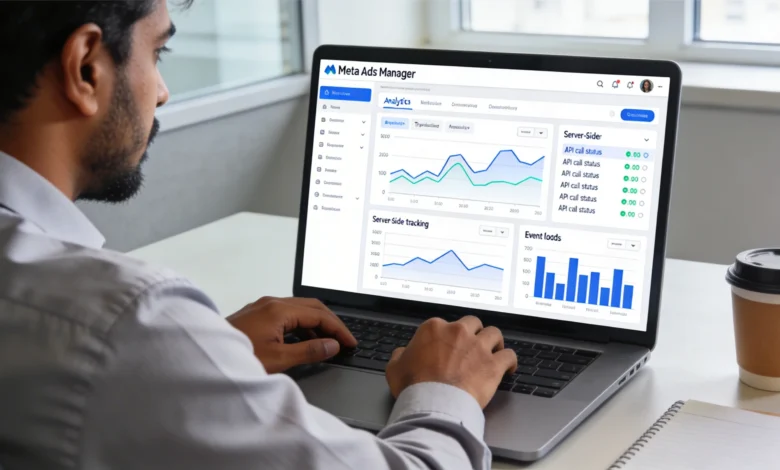
Recently, Meta introduced deeper ad integration with conversion tracking systems, strengthening its server-side measurement infrastructure. The update centers on Meta Conversions API (CAPI), improved GA4 connectivity, and advanced value optimization features.
As privacy restrictions limit browser-based tracking, Meta’s latest upgrades focus on server-side event transmission. The goal is clearer attribution, better optimization signals, and more reliable campaign measurement.
Why Server-Side Tracking Is Becoming Standard
Traditional pixel-based tracking relies on browsers. That model faces growing challenges from:
- Ad blockers
- iOS privacy updates
- Browser tracking prevention policies
- Cookie limitations
Server-side tracking addresses these issues by sending event data directly from an advertiser’s server to Meta. This reduces data loss and improves signal reliability.
Meta Conversions API enables this direct transmission of:
- Website events
- App events
- Offline conversions
- CRM-based actions
Unlike client-side pixels, CAPI bypasses browser restrictions, improving event consistency and campaign optimization.
What Is Meta Conversions API (CAPI)?
Meta Conversions API (CAPI) is a server-side tracking solution that allows advertisers to send conversion events directly to Meta’s systems. It supports integration from:
- Web servers
- Mobile apps
- CRM systems
- Ecommerce platforms
This setup helps advertisers optimize targeting, measure outcomes more accurately, and reduce cost per result.
According to industry reports, advertisers using CAPI alongside the Meta Pixel have seen improved attribution accuracy and measurable performance gains.
GA4 Integration Strengthens Measurement
Meta has also expanded integration with Google Analytics 4 (GA4). This allows advertisers to import GA4 conversion events directly into Meta Ads Manager.
Benefits include:
- Unified cross-platform reporting
- Enhanced data consistency
- Better value-based optimization
- Reduced signal loss
By aligning GA4 data with Meta’s optimization systems, advertisers can feed higher-quality signals into automated bidding algorithms.
New Conversion Value Rules
Meta has introduced advanced value rules that allow advertisers to assign weighted values to different audience segments.
For example:
- High-intent returning customers can be assigned higher conversion value.
- Geographic segments can receive adjusted priority.
This allows more refined campaign optimization beyond standard event tracking.
Incremental Conversion Optimization
Meta now supports incremental attribution testing. This helps advertisers measure conversions that would not have happened without the ad exposure.
Incrementality testing improves budget allocation decisions by identifying true lift instead of blended attribution estimates.
Offline & CRM Data Integration
Businesses can now send offline conversions and CRM events through CAPI. This includes:
- In-store purchases
- Lead qualification stages
- Subscription renewals
- Post-sale engagement signals
This integration helps close the loop between marketing spend and actual revenue impact.
Event Deduplication & Data Accuracy
To prevent double counting, Meta supports event deduplication using:
- Event IDs
- Combined Pixel + CAPI setups
This ensures cleaner data models and more stable machine learning optimization.
Why This Matters for Advertisers
As digital marketing moves toward privacy-first ecosystems, signal quality becomes more important than signal volume.
Meta’s deeper integration into conversion tracking reflects broader industry trends:
- AI-driven bidding systems rely on structured event data.
- Attribution models need consistent server-level inputs.
- Cross-platform reporting requires clean entity mapping.
Advertisers that adopt server-side tracking are positioned for stronger campaign resilience as browser-based tracking declines.
FAQs
What is Meta Conversions API?
Meta Conversions API is a server-side tracking solution that sends conversion events directly from a business’s server to Meta, improving accuracy and bypassing browser restrictions.
How is CAPI different from the Meta Pixel?
The Meta Pixel runs in the browser, while CAPI runs server-side. CAPI is less affected by ad blockers and privacy settings.
Can CAPI work with GA4?
Yes. Meta supports GA4 integration, allowing conversion events from Google Analytics 4 to be imported into Meta Ads Manager.
Does server-side tracking reduce cost per result?
Improved signal quality can enhance optimization efficiency, which may lower cost per result depending on campaign structure and bidding strategy.
Should businesses use both Pixel and CAPI?
Meta recommends a combined setup for optimal event matching, deduplication, and data accuracy.
Final Takeaway
Meta integrates ads more deeply with conversion tracking as part of a broader shift toward privacy-safe, server-side measurement. With GA4 integration, CAPI enhancements, and value-based optimization, advertisers gain more control over attribution accuracy and campaign performance.
Digilogy tracks these industry developments closely. For daily updates and insights, visit the Digilogy News page.