

The Impact of AI on Digital Marketing Strategies


Introduction
A. Definition of AI in the context of digital marketing
Artificial Intelligence (AI) in digital marketing refers to the integration of machine learning, automation tools, and data-driven technologies that help businesses optimize various marketing processes. By automating repetitive tasks, analyzing large amounts of data, and providing personalized content, AI assists businesses in delivering more relevant, timely, and engaging marketing efforts with minimal human intervention.
B. Brief overview of digital marketing evolution
Digital marketing has seen substantial growth over the past two decades, evolving from simple email marketing and banner ads to advanced strategies that include SEO, pay-per-click (PPC) advertising, content marketing, and social media marketing. AI’s role has amplified these strategies by introducing automation, predictive analytics, and real-time data analysis, making it easier for marketers to target their audiences more effectively. By leveraging AI, businesses are now able to personalize customer experiences at scale, while also gaining valuable insights that inform better decision-making.
C. Importance of understanding AI’s impact on marketing strategies
AI is transforming digital marketing strategies by making them more efficient, precise, and personalized. Companies that adopt AI early gain a competitive advantage through better customer engagement, optimized performance, and improved campaign outcomes. Understanding AI’s potential allows businesses to stay ahead of the curve by delivering targeted experiences that meet customers’ evolving needs in a data-driven landscape.
Understanding Artificial Intelligence
A. What is AI?
AI is the simulation of human intelligence by machines, enabling systems to perform tasks that require decision-making, pattern recognition, and problem-solving.A general introduction to AI, such as a page or article on What is Artificial Intelligence and How It Works? This can provide a more in-depth explanation for readers who are new to AI. In digital marketing, AI is used to optimize customer engagement, predict consumer behavior, and automate time-consuming tasks such as content creation and data analysis. AI technologies are becoming integral to marketing, much like the rise of voice search in SEO, which is shifting how customers search for products and services.
B. Types of AI technologies relevant to marketing
- Machine learning: Enables systems to improve their performance based on data and user interactions. In marketing, machine learning is applied in predictive analytics, personalization, and behavior-based targeting.
- Natural language processing (NLP): This technology allows machines to understand and generate human language. It powers chatbots, voice search optimization, and AI-generated content, enhancing customer interactions.
- Computer vision: AI’s ability to interpret and analyze visual data such as images and videos. Brands use computer vision to enhance targeting and engagement by analyzing user-generated content and media performance.
C. Key AI trends in technology
AI-powered personalization, voice search optimization, and real-time analytics are major trends shaping the future of digital marketing. As these technologies continue to advance, marketers can utilize AI to automate content generation, campaign management, and creative design, allowing them to optimize performance while reducing manual effort.
The Role of AI in Digital Marketing
A. Enhancing customer experience
AI can provide personalized content delivery and predictive analytics, which are becoming key components for businesses. Similar to how blockchain technology is changing digital marketing, AI is also enabling more secure and transparent customer interactions.
- Personalized content delivery: AI analyzes customer data to deliver tailored product recommendations, email campaigns, and ads. Personalization boosts engagement and conversion rates by aligning messages with individual preferences.
- Chatbots and customer service: AI-powered chatbots are increasingly used to answer customer queries, guide users through the sales funnel, and provide instant responses. This lessens the workload for human customer support representatives while also increasing customer happiness.
B. Data analysis and insights
AI enables marketers to make data-driven decisions by analyzing large datasets for insights on consumer behavior.
- Predictive analytics: AI can analyze historical data to predict future customer behavior, allowing marketers to tailor their campaigns more effectively.
- Consumer behavior analysis: AI tools track how consumers engage with brands across different channels, providing actionable insights that marketers can use to optimize content and increase conversions.
C. Automating marketing tasks
AI automates various marketing tasks, allowing businesses to operate more efficiently.
- Email marketing automation: AI segments audiences and personalizes email content based on user preferences and behavior, improving engagement and conversion rates.
- Social media management: AI automates tasks like content scheduling, engagement tracking, and performance analysis, freeing marketers to focus on higher-level strategies.
AI in Content Creation and Curation
A. Generating written content using AI
AI tools like GPT-3 can generate high-quality content, including blog posts, product descriptions, and social media updates. By using these tools, marketers can save time and create engaging, relevant content at scale. Just as augmented reality is transforming digital marketing, AI is revolutionizing content generation and curation, enabling marketers to automate the creation of highly personalized and relevant content.
B. Visual content creation tools
Platforms like Canva and Adobe Spark use AI to help marketers design visual assets such as banners, ads, and videos. AI-powered tools recommend layouts and design elements, allowing even non-designers to create professional-quality visuals.
C. Content curation strategies enhanced by AI
AI-driven content curation analyzes user preferences to recommend articles, videos, and social posts. By curating content that aligns with user interests, businesses can keep audiences engaged and increase time spent on their platforms.
SEO Strategies Powered by AI
A. AI-driven keyword research
AI tools like SEMrush and Ahrefs use machine learning algorithms to analyze search trends, competition, and user intent. These insights allow marketers to identify high-performing keywords, including long-tail keywords with lower competition and higher conversion potential.
B. Optimizing website content with AI tools
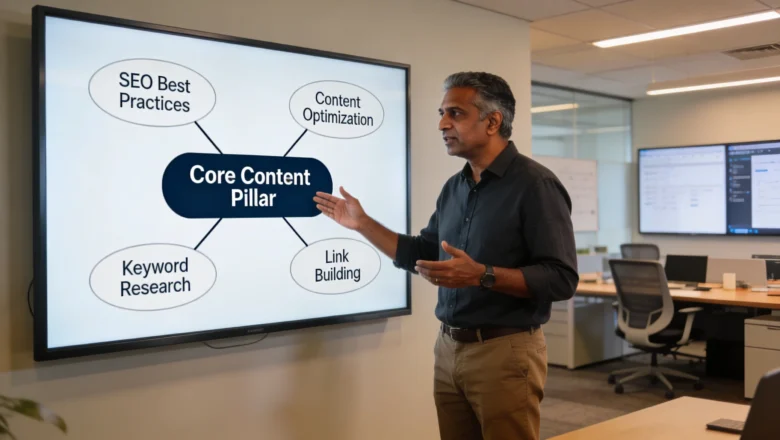
AI-powered tools such as Clearscope and MarketMuse help marketers optimize content by suggesting relevant keywords, improving readability, and ensuring alignment with search intent. These tools allow businesses to create SEO-friendly content that ranks higher on search engine results pages (SERPs).
AI in Advertising
A. Programmatic advertising explained
Programmatic advertising is revolutionizing how businesses purchase and display ads by using AI to automate the entire process. Instead of relying on traditional methods that involve lengthy negotiations and manual ad placements, programmatic advertising allows marketers to target audiences in real-time. AI analyzes vast amounts of data in milliseconds, ensuring that ads are placed in front of the right people at the right time. This not only optimizes ad spend but also increases the likelihood of conversions by targeting audiences most likely to engage. As a result, businesses experience improved return on investment (ROI) with less wasted ad spend. AI helps businesses with targeting and retargeting, making campaigns more effective. Similarly, influencer marketing trends driven by AI insights can enhance collaboration with influencers by identifying the most relevant partners.
B. Targeting and retargeting with AI
AI’s ability to process and analyze large data sets makes it incredibly effective for targeting and retargeting audiences. By analyzing user behavior such as browsing history, purchasing habits, and online interactions, AI identifies potential customers who are most likely to convert. This precision targeting allows for more personalized and relevant ads, leading to higher engagement and conversion rates. AI is also instrumental in retargeting campaigns, where it helps identify users who have previously interacted with a brand but didn’t convert. Retargeting these users with personalized ads increases the chances of bringing them back to complete a purchase, improving overall ad effectiveness.
C. Measuring ad performance through AI analytics
AI-powered analytics tools provide real-time insights into advertising campaigns, tracking key metrics such as click-through rates (CTR), conversion rates, and overall ROI. With AI’s ability to continuously monitor performance, marketers can make data-driven decisions and adjust campaigns dynamically. For instance, if a particular ad is underperforming, AI can suggest changes to targeting parameters or creative elements to improve results. This real-time feedback allows marketers to optimize their campaigns for better outcomes and maximize the efficiency of their advertising budgets.
Social Media and AI
A. AI algorithms shaping social media content
Social media platforms like Facebook, Instagram, and Twitter rely heavily on AI algorithms to curate content for users’ feeds. These algorithms analyze user behavior, preferences, and interactions to display the most relevant content, increasing user engagement. For marketers, understanding how these algorithms work is crucial for ensuring their content reaches the right audience at the right time. AI can also help marketers determine the best times to post, the types of content that perform best, and how to optimize campaigns for maximum reach and engagement. AI tools for sentiment analysis and social listening allow businesses to monitor online conversations, just as chatbots are enhancing customer engagement through real-time responses on social platforms.
B. Influencer marketing enhanced by AI insights
AI is transforming influencer marketing by helping brands identify influencers whose audiences align with their target demographics. By analyzing data such as engagement rates, follower demographics, and content relevance, AI tools ensure that brands partner with the most effective influencers for their campaigns. This data-driven approach helps brands avoid influencer fraud and maximize ROI by collaborating with influencers who have a genuine and engaged following.
C. Social listening and sentiment analysis
AI-powered social listening tools monitor social media platforms for mentions of brands, products, and competitors. These tools analyze the sentiment behind these mentions to determine whether conversations are positive, negative, or neutral. This enables marketers to respond to feedback in real-time, adjust their messaging, and engage with their audience more effectively. By using AI for sentiment analysis, brands can stay on top of public perception and make informed decisions about their social media strategy.
Challenges of Implementing AI in Digital Marketing
A. Data privacy concerns
One of the main challenges in implementing AI is ensuring compliance with data privacy regulations like the General Data Protection Regulation (GDPR) and the California Consumer Privacy Act (CCPA). Since AI collects and processes large amounts of personal data, businesses must be transparent about how they collect, store, and use this data. Ensuring data privacy not only protects customer trust but also helps avoid legal complications. Businesses must adopt stringent data protection practices and regularly update their policies to stay compliant with evolving regulations.
B. Balancing automation with human touch
Even though AI is very good at automating processes and optimizing workflows, it runs the risk of losing the human element that is necessary to create lasting relationships with customers. Over-reliance on AI can make interactions feel impersonal, which may alienate customers. To address this, businesses should use AI to handle repetitive tasks but ensure that human interactions are present in customer service, relationship-building, and creative content. The key is to strike a balance between AI-powered efficiency and human empathy.
C. Cost implications for small businesses
The cost of implementing AI-driven solutions can be a barrier for small businesses, especially those with limited budgets. However, as AI technology becomes more mainstream, affordable solutions are emerging that cater to small and medium-sized enterprises (SMEs). Businesses need to carefully evaluate the cost-benefit ratio of AI investments and choose tools that deliver the best value for their specific needs. As AI becomes more accessible, smaller businesses can leverage these technologies to compete with larger companies more effectively.
Case Studies of Successful AI Implementation
A. Examples from leading companies
Leading companies like Netflix, Amazon, and Spotify have successfully integrated AI into their marketing strategies. Netflix uses AI to recommend personalized content based on users’ viewing habits, improving user satisfaction and retention. Amazon employs AI for product recommendations, increasing average order value and customer loyalty. Similarly, Spotify uses AI to curate personalized playlists, driving user engagement and retention. These companies have used AI to deliver tailored experiences that keep customers engaged.
B. Lessons learned from AI-driven campaigns
The key lessons from successful AI-driven campaigns include the importance of personalization, the need for accurate data, and the continuous optimization of marketing strategies. Companies that align their AI initiatives with business goals and customer needs tend to achieve better outcomes. These brands demonstrate that AI can significantly enhance customer satisfaction and drive long-term loyalty when used strategically.
C. Future implications for these brands
As AI continues to evolve, companies that have successfully adopted AI-driven marketing strategies will continue to see even greater benefits. With advancements in machine learning and predictive analytics, brands will be able to offer even more personalized and seamless customer experiences. The future holds even more possibilities for brands to leverage AI for innovation, efficiency, and competitive advantage.
The Future of AI in Digital Marketing
A. Emerging technologies to watch
The integration of AI with emerging technologies such as augmented reality (AR), virtual reality (VR), and voice search will further transform the digital marketing landscape. AI will enhance these technologies by analyzing user behavior to create more immersive and personalized experiences. For example, AI can help businesses develop AR campaigns that adapt to individual users’ preferences or optimize content for voice-activated search queries.
B. Predictions for the next decade
Over the next decade, AI will become even more integral to digital marketing strategies. Automation in content creation, programmatic advertising, and customer engagement will become the norm, freeing up marketers to focus on strategic decisions and creativity. Brands that invest in AI today will be better positioned to take advantage of these future advancements and remain competitive in an increasingly automated digital landscape.
C. Preparing for an AI-driven marketing landscape
To succeed in the AI-driven marketing landscape, businesses must invest in AI tools, prioritize data collection and analysis, and stay informed on the latest AI trends. Embracing AI will allow companies to improve personalization, optimize campaigns, and maintain a competitive edge in the marketplace.
Conclusion
AI is transforming digital marketing by enabling personalized experiences, automating tasks, and providing valuable insights through data analysis. From programmatic advertising to social media algorithms, AI-driven strategies are helping businesses optimize their marketing efforts and achieve higher ROI.
As AI continues to evolve, it is becoming an indispensable tool for businesses looking to thrive in the digital age. Companies that adopt AI-powered marketing strategies today will benefit from more efficient, personalized, and impactful campaigns. By embracing AI, businesses can enhance customer experiences, improve marketing outcomes, and secure a competitive edge in the future.
Ready to transform your digital marketing strategy with AI? Contact Digilogy today to discover how AI-driven solutions can help you boost customer engagement, optimize campaigns, and drive growth in the ever-evolving digital landscape.