

Meta’s 2026 Original Content Rules: What Facebook and Instagram Marketers Must Do

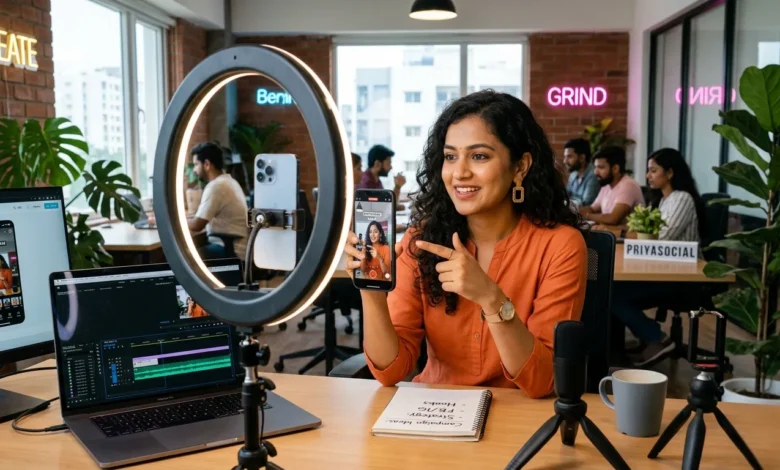
Recently, Meta updated its content guidelines to strengthen the visibility of original creator content on Facebook and Instagram.
The changes are designed to reduce the reach of reposted, low-effort, or minimally edited content while rewarding creators and brands that produce authentic videos and storytelling.
For marketers, this update signals a clear shift toward quality-driven content strategies rather than recycled social media posts.
Meta Now Prioritizes Authentic Creator Content
Meta’s updated policies define original content as material that is filmed or produced directly by the creator or the brand that publishes it.
This means content downloaded from other platforms or reposted without meaningful modification may be deprioritized in feeds and recommendations.
The algorithm increasingly rewards videos that demonstrate:
- authentic storytelling
- clear creator involvement
- original production effort
- audience-focused narratives
This approach helps protect creators while improving the quality of content across Meta platforms.
What Counts as “Original Content” in 2026
Meta’s guidelines emphasize that originality goes beyond simply uploading a video.
Content may include third-party material only if the creator adds substantial transformation or new insights.
Acceptable transformations include:
- commentary or analysis
- educational explanation
- storytelling improvements
- meaningful context added to existing clips
Simply stitching together clips or reacting visually without new information may not qualify as original.
Reposted Content Faces Reduced Visibility
Meta is increasingly restricting the reach of duplicated content.
Posts that are re-uploaded from other creators without significant modification may be flagged as unoriginal content.
Common examples include:
- reposting someone else’s video without changes
- adding captions or borders to existing clips
- speeding up or trimming another creator’s content
- reposting content with platform watermarks
Such posts may experience lower distribution in feeds and recommendations.
Watermarked Videos Are Being Deprioritized
Videos containing watermarks from other platforms — such as TikTok or YouTube — are also likely to receive reduced reach.
Meta encourages creators to upload native content filmed specifically for Facebook or Instagram.
Native content allows the platform’s algorithm to better evaluate quality signals such as watch time, engagement, and viewer retention.
Authentic Storytelling Is Becoming the Key Ranking Factor
Beyond originality, Meta’s algorithms increasingly evaluate how audiences interact with content.
The platform measures behavioral signals including:
- watch duration
- pause behavior
- comments and discussions
- sharing activity
Content that maintains audience attention throughout the video is more likely to be recommended to broader audiences.
This means marketers must focus on storytelling and engagement rather than just attracting clicks.
What Marketers Should Do Now
To adapt to Meta’s updated content policies, marketers are restructuring their content workflows.
Recommended practices include:
- producing original videos internally
- avoiding reposted or downloaded content
- adding expert commentary when referencing third-party clips
- using platform-native video formats
- focusing on storytelling that keeps viewers engaged
These strategies help ensure content remains eligible for broader reach and recommendations.
Influencer and Creator Content Is Also Changing
Meta’s content monetization ecosystem is also evolving to protect creators.
Influencers and professional creators may receive alerts when their content is copied or reused without permission.
These protections are designed to maintain fair monetization opportunities and encourage creators to produce original material.
As influencer marketing continues to expand, authenticity is becoming a major performance factor.
FAQs
What are Meta’s original content rules?
Meta’s rules prioritize content created directly by the brand or creator and discourage reposting or lightly edited content.
Does Meta allow third-party clips in videos?
Yes, but only if the creator adds meaningful commentary, analysis, or storytelling improvements.
Are watermarked videos penalized on Meta?
Videos with watermarks from other platforms may receive reduced reach.
Why is original content important for Facebook and Instagram?
Original content signals authenticity and quality, which helps algorithms recommend posts to more users.
How can marketers adapt to the new rules?
Marketers should create native content, focus on storytelling, and avoid reposting videos from other platforms.
Final Takeaway
Meta’s updated content rules highlight a clear direction for social media marketing: originality and authenticity now matter more than repost frequency.
Brands that focus on producing meaningful, engaging content rather than recycling viral clips are better positioned to succeed on Facebook and Instagram.
Digilogy tracks these industry developments closely. For daily updates and insights, visit the Digilogy News page.