The Future of Real Estate Marketing: From “Square Footage” to “Smart Footage” and Virtual Staging


The real estate industry is shifting from traditional “square footage” marketing to “smart footage”, leveraging AI, data analytics, and virtual staging. These digital tools optimize property presentations, catering to modern buyers’ preferences and enhancing both efficiency and sustainability in property marketing.
From “Square Footage” to “Smart Footage”
The concept of smart footage is redefining how properties are marketed. Instead of focusing solely on the physical size of a home, AI-powered insights now analyze how space is used and how various features can improve the user experience.
This includes determining the best use of a room, optimizing layouts for sustainability, and personalising virtual walkthroughs.
AI-Powered Insights and Data-Driven Value
Incorporating AI helps real estate marketers analyse property features in real time, creating interactive and immersive experiences for potential buyers. By converting traditional footage into data, agents can offer tailored recommendations, increasing the appeal and sale potential of properties.
The Rise of Virtual Staging
Virtual staging has become a cost-effective, efficient alternative to traditional staging, offering hyper-realistic visualisation of spaces. With AI, 3D, and AR technologies, real estate marketers can provide a highly customizable and interactive viewing experience without the physical limitations of staging homes.
Key Benefits of Virtual Staging
- Speed and Cost-Efficiency: Virtual staging is 70% cheaper and faster than traditional staging.
- High ROI: Homes staged virtually sell for 5–20% more.
- Flexibility: Furniture styles and layouts can be changed quickly to suit different buyer preferences.
Data-Driven Decision Making
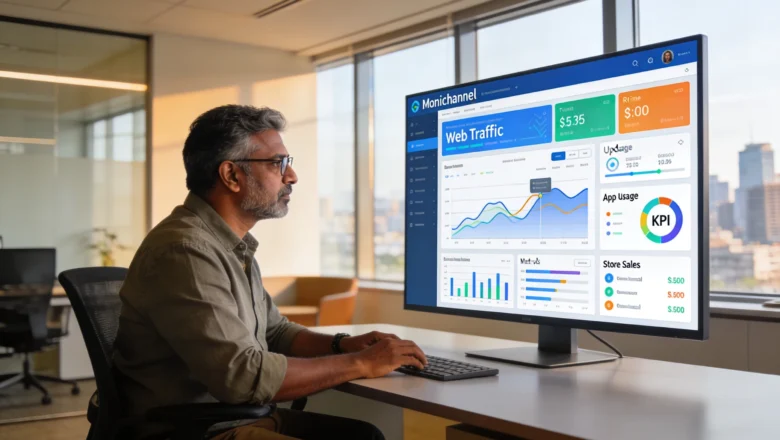
Real estate marketers are increasingly leveraging data analytics to refine their strategies. By gathering insights from virtual tours, click-through rates, and engagement metrics, marketers can adjust their efforts in real-time, ensuring they’re reaching the right audience with the right message at the right time.
Data also helps marketers focus on specific property features that are most likely to appeal to buyers, such as energy-efficient designs or green spaces.
Virtual vs. Traditional Staging
Feature | Virtual Staging | Traditional Staging |
Cost | Low ($20–100 per room) | High ($1,500–$5,000 per home) |
Timeframe | 12–24 hours | 7–14 days |
Flexibility | Instant changes (furniture, layout, décor) | Limited flexibility (dependent on physical space) |
Effectiveness | High engagement and conversion rates | Limited to in-person viewing |
The Role of AI and AR in Virtual Staging
Virtual staging technologies now utilise augmented reality (AR) to place virtual furniture directly into the home environment. Through this AI-guided approach, buyers can explore properties in 3D, experiencing potential home layouts with real-time customizations.
AI-Guided Virtual Staging
By using AI, real estate professionals can track buyer preferences, optimizing virtual staging to showcase properties that best meet the buyer’s needs. It enables buyers to explore a property’s potential without visiting in person.
Why Virtual Staging is the Future of Real Estate Marketing
In 2025, virtual staging will be fully integrated into real estate workflows. As 3D technology and AI continue to advance, the process will become faster, cheaper, and more customizable, offering an improved buyer journey. By integrating these technologies, agents can not only meet but exceed modern buyers’ expectations.
FAQs: Virtual Staging in Real Estate
What is virtual staging?
Virtual staging is a digital technique used to furnish and decorate a property without physically staging it, using AI, 3D models, and augmented reality.
How does virtual staging benefit real estate?
Virtual staging is cost-effective, quicker than traditional staging, and offers a customizable experience that appeals to a broader range of buyers.
Why is AI important in virtual staging?
AI personalizes the staging process by analyzing buyer data and providing custom recommendations, increasing the likelihood of a sale.
Can virtual staging replace traditional staging?
Yes, in most cases, virtual staging can replace traditional staging, offering more flexibility and higher ROI with lower costs.
Final Takeaway
The rise of smart footage and virtual staging is transforming the real estate marketing landscape. With AI-driven insights and immersive digital tools, real estate professionals can now offer more engaging, cost-effective, and sustainable property marketing solutions. Digilogy which tracks technological advancements in marketing, notes that virtual staging will be integral to future property sales strategies.