

The Future of Web Design: Trends to Watch

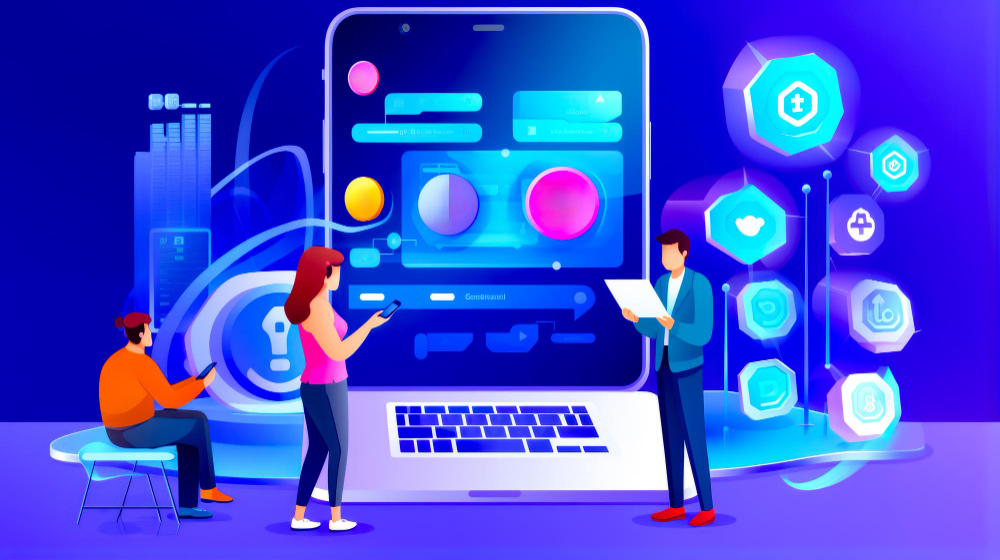
As technology evolves, so too does the field of web design. Staying ahead of emerging trends is essential for creating innovative and effective websites that resonate with users. This blog explores key trends shaping the future of web design and highlights how Digilogy can help you stay at the forefront of these developments.
Immersive User Experiences: The Rise of Interactive Design
Interactive design is becoming a central element of web design, offering users engaging and dynamic experiences. Here’s how this trend is shaping the future:
Enhanced User Engagement: Interactive elements such as animations, hover effects, and dynamic content can significantly increase user engagement. These features make websites more engaging and encourage users to explore content in a more immersive way.
Microinteractions: Microinteractions are small, subtle animations or design elements that respond to user actions, such as clicking a button or filling out a form. These interactions provide visual feedback, enhance usability, and create a more intuitive experience.
Personalized Experiences: Advanced web technologies enable personalized user experiences based on individual preferences and behavior. By leveraging data and analytics, websites can deliver tailored content and recommendations, enhancing user satisfaction and engagement.
Gamification: Incorporating game-like elements, such as rewards, challenges, and progress tracking, can make websites more engaging and encourage user interaction. Gamification techniques can be particularly effective for enhancing user experience in areas such as e-commerce and education.
Voice User Interface (VUI): As voice-activated devices become more prevalent, integrating voice user interfaces into web design is gaining traction. VUI allows users to interact with websites using voice commands, providing a hands-free and efficient way to access information.
Artificial Intelligence and Machine Learning: Enhancing Web Functionality
Artificial intelligence (AI) and machine learning are transforming web design by introducing advanced functionalities and automation. Here’s how these technologies are influencing the future of web design:
AI-Powered Chatbots: AI-driven chatbots are becoming a common feature on websites, offering real-time assistance and improving customer support. These chatbots can handle a range of tasks, from answering common questions to guiding users through complex processes.
Predictive Analytics: Machine learning algorithms analyze user behavior and preferences to predict future actions. This predictive capability can be used to personalize content, recommend products, and enhance user experience based on historical data.
Content Generation: AI tools can assist in generating content, such as product descriptions, blog posts, and social media updates. These tools help streamline content creation and ensure consistency across different platforms.
Design Automation: AI can automate various design tasks, such as layout adjustments, color schemes, and typography. This automation speeds up the design process and allows designers to focus on more strategic aspects of web design.
Enhanced Accessibility: AI can improve website accessibility by providing features like automatic image descriptions and text-to-speech capabilities. These enhancements ensure that websites are usable by individuals with disabilities and comply with accessibility standards.
Advanced Web Technologies: The Shift Towards Progressive Web Apps
Progressive Web Apps (PWAs) are revolutionizing web design by combining the best features of websites and native apps. Here’s how PWAs are shaping the future of web design:
Offline Capabilities: PWAs offer offline functionality, allowing users to access content and interact with the website even without an internet connection. This feature improves user experience and ensures that content is always available.
App-Like Experience: PWAs provide an app-like experience with features such as push notifications, full-screen modes, and fast load times. This approach bridges the gap between traditional websites and mobile apps, offering a more immersive and engaging experience.
Improved Performance: PWAs are designed for speed and performance, utilizing techniques such as caching and service workers to deliver fast and reliable experiences. Enhanced performance leads to better user satisfaction and lower bounce rates.
Cross-Platform Compatibility: PWAs work seamlessly across different devices and operating systems, ensuring a consistent user experience regardless of the platform. This cross-platform compatibility reduces development efforts and improves accessibility.
Enhanced Security: PWAs are built with security in mind, incorporating features such as HTTPS and data encryption to protect user information. These security measures help build trust and ensure a safe browsing experience.
Minimalist and Adaptive Design: Streamlining User Interfaces
Minimalist and adaptive design approaches are gaining popularity as web design trends shift towards simplicity and flexibility. Here’s how these approaches are influencing web design:
Simplified Interfaces: Minimalist design focuses on removing unnecessary elements and emphasizing essential content. This approach creates clean, uncluttered interfaces that improve usability and make it easier for users to find what they need.
Adaptive Layouts: Adaptive design involves creating multiple layouts tailored to different devices and screen sizes. This approach ensures that the website provides an optimal experience regardless of the device used, improving accessibility and user satisfaction.
Focus on Content: Minimalist design prioritizes content by using ample whitespace and clear typography. This focus on content enhances readability and allows users to engage more deeply with the information presented.
Efficient Navigation: Streamlined navigation menus and simplified user interfaces contribute to a more intuitive browsing experience. By reducing complexity, users can easily navigate the site and find relevant information quickly.
Faster Load Times: Minimalist design often results in faster load times due to reduced use of heavy graphics and complex features. Improved performance leads to a better user experience and higher engagement.
How Can Digilogy Help You Embrace the Future of Web Design?
To successfully navigate the future of web design and incorporate emerging trends, partnering with a skilled web development team is essential. Digilogy offers expertise in integrating the latest web design trends and technologies to enhance your online presence. Here’s how Digilogy can support your web design efforts:
Innovative Design Solutions: Digilogy’s team stays updated on the latest trends and technologies, ensuring that your website incorporates cutting-edge design elements. They specialize in creating interactive and immersive experiences that engage users and enhance functionality.
AI and Machine Learning Integration: Digilogy leverages AI and machine learning to enhance website functionality and automation. Their expertise in implementing AI-powered chatbots, predictive analytics, and design automation helps streamline processes and improve user experience.
Progressive Web Apps (PWAs): Digilogy excels in developing Progressive Web Apps that combine the best features of websites and mobile apps. Their PWAs offer offline capabilities, app-like experiences, and improved performance across different devices.
Minimalist and Adaptive Design: Digilogy’s design philosophy emphasizes minimalist and adaptive approaches, creating streamlined interfaces that prioritize content and enhance usability. Their focus on efficient navigation and fast load times ensures a seamless user experience.
Comprehensive Support: Digilogy provides end-to-end support, from initial design and development to ongoing maintenance and optimization. Their commitment to delivering high-quality solutions ensures that your website remains at the forefront of web design trends.
In summary, the future of web design is shaped by interactive elements, AI technologies, Progressive Web Apps, and minimalist approaches. By staying informed about these trends and partnering with experts like Digilogy, you can create a website that offers a seamless and engaging user experience. If you’re ready to embrace the future of web design and enhance your online presence, Digilogy is the ideal partner to help you achieve your goals.


