

Zero-Click Searches Force Brands to Rethink Revenue Models


Zero-click searches are transforming how users interact with search engines, with answers increasingly delivered directly on the results page. As clicks decline, brands are being forced to rethink traditional SEO, attribution, and revenue models built around website traffic.
What Are Zero-Click Searches?
Zero-click searches occur when a search engine answers a user’s query directly on the search results page, removing the need to click through to a website.
These results appear through formats such as featured snippets, People Also Ask boxes, knowledge panels, local packs, and AI-generated summaries. Convenience and speed drive adoption, but they fundamentally disrupt click-based performance metrics.
Google has steadily expanded these formats to improve user experience, especially on mobile and AI-assisted search interfaces.
The Zero-Click Search Explosion
According to recent reports, zero-click behavior has accelerated sharply over the last few years.
Earlier trends showed that roughly half of searches resulted in a website visit. That share has steadily declined as search engines surface more complete answers directly within SERPs. Recent industry research indicates that fewer than half of all searches now lead to any external click.
A 2025 analysis by SparkToro found that a majority of searches end without a website visit, driven largely by AI summaries, instant answers, and mobile-first layouts.
This shift reflects changing user expectations: fast answers now matter more than exploration.
Why Zero-Click Searches Are Reshaping SEO Metrics
The rise of zero-click searches challenges long-standing assumptions about SEO success.
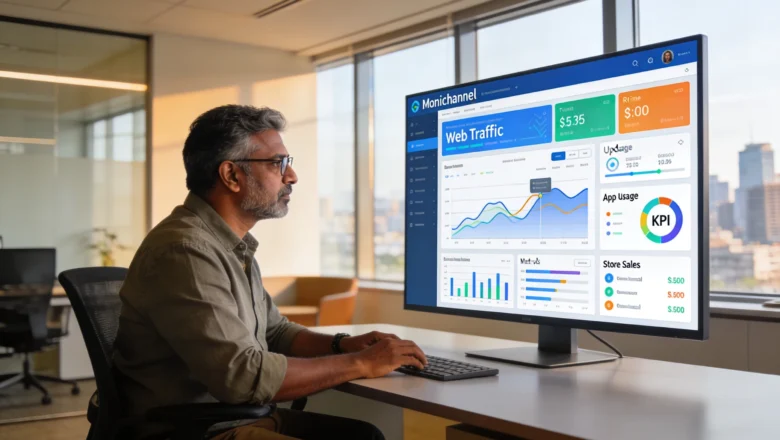
Traffic alone no longer reflects visibility or influence. Brands may dominate search results, shape buyer perception, and still see declining sessions. Traditional KPIs such as rankings and clicks now tell only part of the story.
For SEO professionals, this creates pressure to justify impact beyond traffic reports.
From Clicks to Visibility: The New Value Equation
Brands are increasingly shifting focus from clicks to visibility-driven value.
Instead of optimizing solely for visits, teams now track impressions, share of voice, brand mentions, and assisted conversions. Visibility within answer boxes and AI summaries becomes a strategic asset, even when users never leave the SERP.
This evolution reframes SEO as a reputation and demand-shaping channel rather than a traffic-only function.
Answer Engine Optimization Takes Center Stage
As search engines behave more like answer engines, content strategies are changing.
Brands are restructuring pages to deliver clear, concise responses within the first few lines. Structured data, schema markup, and authoritative formatting improve the likelihood of being selected as a cited source in AI-driven answers.
Depth still matters, but clarity and trust signals now determine whether content is surfaced.
Revenue Models Are Being Redefined
Zero-click searches are also forcing changes beyond SEO teams.
Some publishers are exploring licensing arrangements that allow their content to be used in AI-generated responses. Others are investing more heavily in brand-led demand, ensuring users search for them specifically rather than generic queries.
Direct-to-platform experiences, such as native shopping and in-SERP actions, further reduce reliance on traditional website funnels.
Implications for B2B and High-Consideration Industries
For B2B and complex purchase journeys, the impact is nuanced.
Top-of-funnel educational traffic may decline, but remaining clicks often show stronger intent. Buyers increasingly rely on search-generated summaries to shortlist vendors before ever visiting a website.
This places greater importance on authority, brand recognition, and being cited consistently across informational queries.
Strategic Takeaway for Modern SEO Professionals
Zero-click searches are not a temporary disruption.
They represent a structural shift in how discovery, trust, and decision-making occur online. SEO professionals must adapt by expanding measurement frameworks, prioritizing answer-ready content, and aligning visibility with downstream business outcomes.
As an industry observer, Digilogy tracks these shifts closely to understand how search, AI, and brand authority intersect in modern digital ecosystems.
FAQs: Zero-Click Searches and SEO
What percentage of searches are zero-click today?
Recent studies suggest that a majority of searches now end without a website visit, driven by AI answers, featured snippets, and mobile-first SERP layouts.
Do zero-click searches mean SEO is no longer valuable?
No. SEO remains critical, but success is increasingly measured through visibility, authority, and influence rather than clicks alone.
How can brands benefit from zero-click searches?
Brands benefit by appearing as trusted sources in search answers, improving brand recall, and influencing decisions before users visit any website.
What content performs best in zero-click environments?
Concise, authoritative content that answers specific questions clearly and uses structured formatting performs best in zero-click results.
Are AI Overviews increasing zero-click behavior?
Yes. AI-generated summaries compress multiple searches into a single answer, significantly reducing the need for users to click through.
Final Takeaway
Zero-click searches are compressing the traditional click-driven model, but they are not eliminating opportunity. Instead, they are redefining how visibility, trust, and influence are built in search. Brands that adapt by prioritizing authority, answer-ready content, and measurable on-SERP presence will remain competitive even as website traffic patterns evolve. As an industry observer,Digilogy closely tracks these shifts to understand how search behavior, AI-driven discovery, and brand credibility are reshaping modern digital ecosystems.