

Retail Media Dethrones Social in $889B Ad Boom

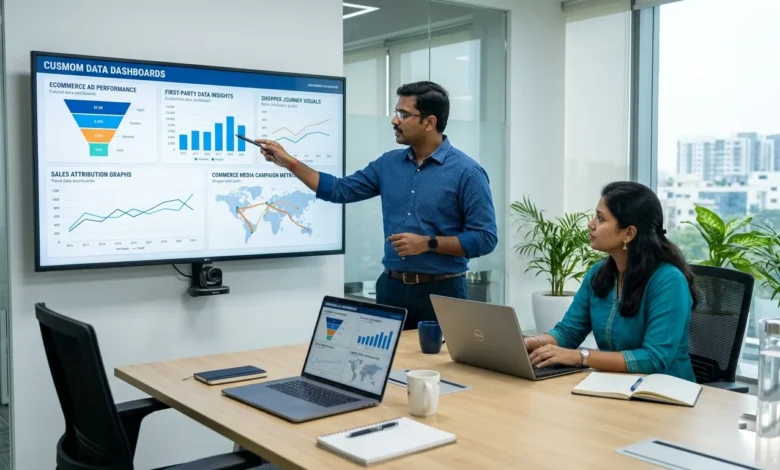
Retail Media Dethrones traditional ad planning as brands shift more budget toward first-party data, commerce signals, and measurable buying intent.
The SERP around this topic shows a clear comparison between retail media and social media. Searchers want to know why retail media is growing, whether it is overtaking social, and how brands should respond.
Retail media is no longer viewed as a small ecommerce add-on. It is becoming a larger part of performance marketing, shopper marketing, and commerce media planning.
Why Retail Media Is Gaining Power
Retail media grew because advertisers wanted stronger purchase intent, cleaner first-party data, and better sales measurement.
Unlike many social ads that interrupt users during browsing, retail media reaches people closer to the buying moment.
That gives brands a clearer path from ad exposure to purchase action, especially when campaigns are connected to real shopping behaviour.
Retail Media Dethrones Experimental Budgets
Retail media was once treated as an experimental line item. Brands tested retailer ad platforms to see whether sponsored listings, display placements, and shopper data could drive sales.
That phase is now changing. In 2026, retail media is becoming more mature, infrastructure-driven, and measurement-focused.
Forrester projects global retail media spending to grow from $184 billion in 2025 to $312 billion by 2030, showing how quickly the channel is moving into mainstream planning.
Why Retail Media Is Expanding Beyond Retail
Retail media is no longer limited to marketplaces, grocery apps, or ecommerce platforms.
Travel, financial services, automotive, hospitality, and luxury businesses also own transaction data and first-party demand signals.
These sectors are now building commerce media opportunities around customer behaviour, purchase intent, and platform-owned audiences.
What Commerce Media Means for Advertisers
Commerce media uses purchase intent, transaction data, loyalty signals, and customer behaviour to help brands reach people closer to a decision.
For example, a travel platform can offer targeting based on destination interest. A bank can use customer journey signals, while a hospitality brand can use booking behaviour.
This is why agencies are starting to include these budgets in commerce media forecasts, not only retail media plans.
The SERP Shows a Strong Comparison With Social Media
The SERP screenshot highlights a clear user intent: people want to know whether retail media is overtaking social media in ad growth.
Retail media is not replacing social media completely. Social platforms still play an important role in awareness, community building, creator partnerships, and brand storytelling.
The difference is that retail media is gaining more attention where brands want measurable ROI, purchase intent, and closed-loop reporting.
Why First-Party Data Is the Main Advantage
First-party data is one of retail media’s strongest advantages.
Retailers and commerce platforms know what users browse, search, compare, add to cart, buy, repeat, or abandon.
These signals are valuable because they show real customer intent instead of relying only on broad audience assumptions.
The Challenge With Too Many Retail Media Networks
Retail media growth also creates a problem: fragmentation.
Many brands now manage multiple retail media networks, each with different dashboards, ad formats, attribution models, and reporting standards.
This makes it difficult for marketers to compare performance, control budgets, and understand whether campaigns are truly increasing sales.
FAQs
What is retail media?
Retail media is advertising that uses retailer or commerce platform data to reach shoppers across websites, apps, marketplaces, stores, and other owned media channels.
Why is retail media growing in 2026?
Retail media is growing because brands want first-party data, stronger purchase intent, clearer sales measurement, and better proof of advertising impact.
Is retail media replacing social media?
Retail media is not fully replacing social media. Social media still supports awareness and engagement, while retail media is gaining more budget for purchase intent and sales measurement.
What is commerce media?
Commerce media is the broader version of retail media. It includes retail, travel, finance, automotive, hospitality, and other industries that use transaction data for advertising.
Why is first-party data important in retail media?
First-party data is important because it comes directly from customer behaviour, including searches, purchases, cart actions, loyalty activity, and repeat buying.
What should brands track in retail media campaigns?
Brands should track sales lift, incrementality, return on ad spend, new-to-brand customers, conversion rate, basket value, repeat purchases, and cross-network performance.
Final Takeaway
Retail Media Dethrones traditional ad planning because it connects advertising with first-party data, customer intent, and measurable sales outcomes.The next stage is not just about more retail media networks. It is about better infrastructure, stronger measurement, operational efficiency, and the rise of commerce media beyond retail.For brands, the opportunity is clear: businesses that use first-party data responsibly and measure real sales impact will have a stronger advantage in 2026. Digilogy helps businesses make media budgets more measurable and growth-focused.