

Tata Digital Rolls Out ‘Tata Neu’ Super App with Integrated Marketing

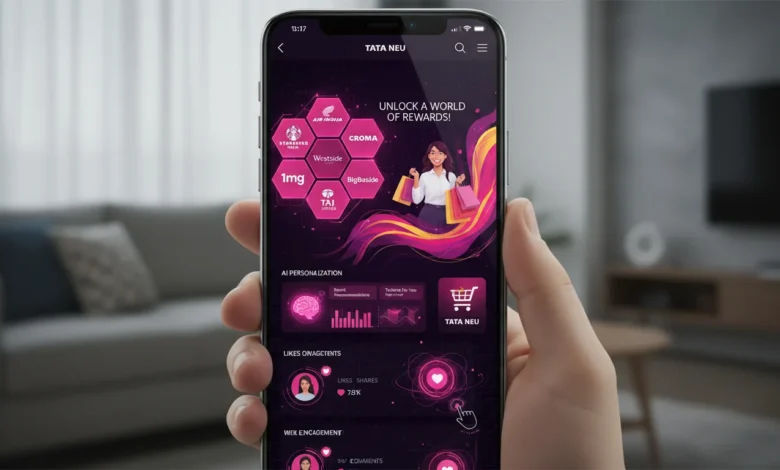
In 2025, Tata Neu Super App Marketing has set a new benchmark in India’s digital ecosystem. Tata Digital’s super app brings together a vast portfolio of Tata Group brands under one unified platform, offering a seamless and personalized experience across shopping, travel, financial services, hospitality, and entertainment. This initiative aligns with Tata’s Tata Digital marketing strategy to provide convenience, loyalty, and a consumer-first approach.
Integrated Digital Ecosystem
The Tata Neu Super App Marketing strategy focuses on blending product commerce, service commerce, and financial services into a single, user-friendly interface. Brands like BigBasket, 1mg, Croma, Starbucks, Tata Cliq, Tata Play, IHCL, and AirAsia are already integrated, with Tata Motors, Titan, and Tanishq planned to join soon. This unified ecosystem enables Digital ecosystem for Indian consumers, offering AI-powered personalization and a smooth cross-brand experience. Digilogy highlights that such integrated digital platforms drive engagement, loyalty, and cross-selling opportunities effectively.
AI-Powered Personalization & Loyalty Programs
Tata Neu leverages AI to analyze user behavior and recommend products and services tailored to individual preferences. The unified loyalty program, NeuCoins, can be redeemed across all Tata brands, encouraging repeat usage and customer retention. This aligns perfectly with Mobile app engagement India trends, providing users with a personalized, interactive, and rewarding experience. Digilogy specializes in designing similar AI-driven app engagement strategies to enhance customer satisfaction and retention.
High-Impact Marketing Campaigns
The launch of Tata Neu was supported by extensive Tata Neu Super App Marketing, including high-profile campaigns and leveraging Tata Group’s IPL title sponsorship for mass visibility. The super app promotion campaigns effectively communicate Tata’s legacy of trust, combined with cutting-edge digital technology, to urban and semi-urban consumers seeking ease, variety, and value in one app. Digilogy emphasizes that multi-channel marketing, combining sports sponsorships, social media, and digital ads, maximizes reach and consumer engagement.
Future-Ready App Enhancements
Tata Neu’s roadmap includes features like quick commerce (Neu Flash), ONDC food delivery integration, and the co-branded NeuCard credit product, aiming to enhance convenience and adoption. Continuous UX/UI improvements and backend integrations are ensuring smooth app performance, reinforcing the brand’s positioning as a leading super app in India. Such Integrated app marketing India strategies highlight Tata Digital’s vision for a holistic and future-ready platform. Digilogy assists brands in creating scalable, integrated marketing strategies for super apps and digital ecosystems.
Strategic Business Impact
With an initial footprint of over 80 million users and access to Tata’s 2,500+ offline stores, Tata Neu is positioned to redefine consumer engagement and digital commerce in India. The Tata Neu Super App Marketing campaign strengthens brand loyalty, drives cross-selling, and elevates user experience, creating measurable business impact. Digilogy helps businesses implement similar multi-brand, multi-channel digital campaigns to maximize ROI and consumer engagement.
Partner with Digilogy for Next-Level Digital Innovation
The Tata Neu Super App Marketing campaign demonstrates the power of integrated digital platforms, AI personalization, and multi-channel marketing in India’s growing digital economy. For businesses aiming to achieve similar results, partnering with expert digital marketing service providers like Digilogy is essential. Digilogy offers end-to-end solutions, including integrated app marketing, AI-powered personalization, multi-platform campaigns, and loyalty program strategies. Connect with Digilogy today to transform your digital marketing efforts, drive engagement, and achieve measurable growth in the competitive Indian market.