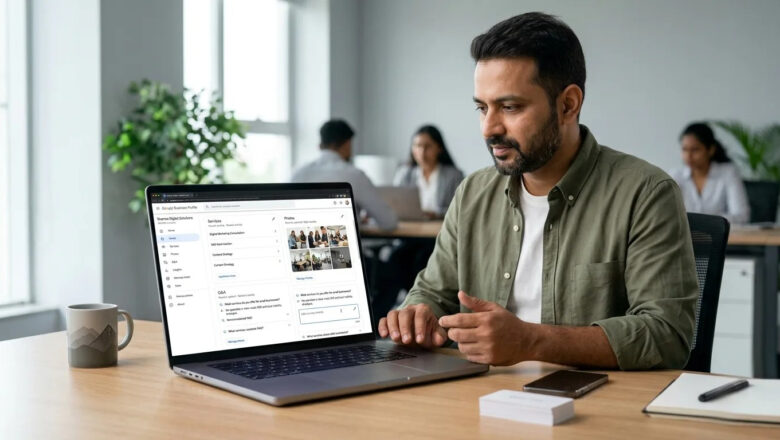


Marketers Optimize Content for Reduced Attention Windows in the Always-On Era


Marketers optimize content for reduced attention windows as digital audiences increasingly consume information in seconds, not minutes. According to recent reports, brands are shifting from long-form, passive content toward high-impact, snackable formats designed for mobile-first scrolling behavior.
In the attention economy, relevance must be delivered instantly.
The Shift From Campaigns to Continuous Optimization
Earlier this week, industry analysts emphasized that performance marketing is evolving beyond periodic campaign cycles.
Instead of launch–monitor–pause frameworks, brands are embedding always-on optimization into execution.
Every impression, click, and scroll feeds real-time adjustments in creative, UX, and media allocation.
This transforms content from a static asset into a living system.
Key Strategies for Reduced Attention Windows
1. Embrace “Snackable” and Instant-Value Content
Short-form videos, quick tips, and concise explainers deliver immediate utility.
Formats such as web stories, infographics, and 6–15 second video clips capture attention before users scroll away.
The most critical insight must appear within the first few seconds or first lines.
2. Prioritize Visual and Dynamic Media
Visual content processes faster than text.
Brands increasingly rely on:
- Short-form video
- Interactive quizzes
- Carousels and swipe formats
- Motion graphics
High-contrast visuals and bold headlines improve retention.
3. Personalize for Relevance
Data-driven customization ensures content matches user intent.
Contextual personalization tailors messaging to search queries, engagement patterns, and funnel stage.
Instead of broad messaging, brands deliver answers aligned with immediate needs.
4. Optimize for Mobile and Structure
With the majority of traffic coming from mobile devices, formatting must support small screens.
Best practices include:
- Clear subheadings
- Short paragraphs
- Bullet points
- “Above-the-fold” key takeaways
Content must remain scannable and frictionless.
5. Repurpose and Extend Asset Lifecycles
Marketers optimize content for reduced attention windows by transforming long-form assets into multiple short derivatives.
For example:
- Whitepapers become short LinkedIn clips
- Blog posts become infographics
- Webinars become 30-second highlight reels
This maximizes ROI without increasing production cost.
Catchy Headlines and Metadata Matter
In crowded feeds, headlines function as decision triggers.
Compelling titles, clear meta descriptions, and structured data improve discoverability across search and social platforms.
Targeted keywords and shareable hooks increase both CTR and dwell time.
Optimization now begins before the user clicks.
From Interruption to Interaction
Traditional advertising interrupted attention.
Modern strategies convert attention into interaction.
Interactive formats—polls, swipe-ups, calculators, and UGC—encourage participation rather than passive viewing.
Engagement metrics now signal relevance to algorithms, reinforcing visibility.
Frequently Asked Questions
Why are attention windows shrinking?
Mobile browsing, content saturation, and algorithm-driven feeds encourage rapid scrolling and quick decision-making.
What is snackable content?
Snackable content refers to short, easily consumable formats such as short-form videos, quick insights, or concise visual explainers.
How does always-on optimization work?
Always-on optimization continuously analyzes performance data and adjusts content, targeting, and creative in real time.
Is long-form content still relevant?
Yes. Long-form builds authority and depth, but short-form drives discovery and immediate engagement.
Final Takeaway
Marketers optimize content for reduced attention windows by combining mobile-first design, visual storytelling, structured formatting, and continuous optimization systems.
Success in the attention economy depends on delivering clarity, relevance, and value in seconds.
Digilogy tracks these industry developments closely. For daily updates and insights, visit the Digilogy News page.