

Livestream Commerce Gains Traction as a New Conversion Channel for Indian Brands

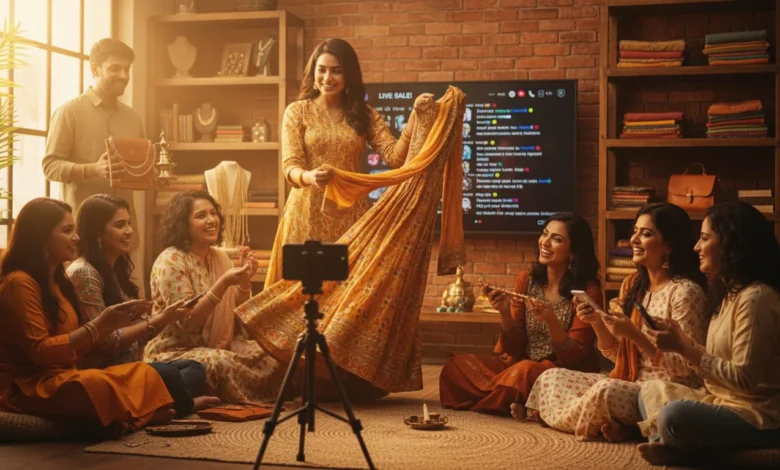
In India’s fast-moving digital marketplace, consumer behaviour keeps shifting. The latest wave shaping the buying journey is Livestream Commerce. With shoppers spending more time engaging on social platforms and craving authentic interactions, brands are discovering that real-time, interactive selling is not just trendy, it is effective.
What is Livestream Commerce and Why India Loves It
Livestream Commerce blends live video with the ability to purchase instantly. It brings a virtual shop floor into a viewer’s pocket. Instead of scrolling static product pages, users get a real shopping experience led by hosts, creators, or product experts who showcase offerings, answer questions, and demonstrate usage live.
In India, trust plays a massive role in purchase decisions. Livestream Commerce helps bridge the trust gap with real-time demos, instant feedback, and direct chat. It feels personal, human, and reliable.
Why Livestream Commerce Is Growing Fast in India
Authentic consumer engagement
Shoppers want reassurance. Watching real people use products builds confidence. Livestream Commerce becomes a transparent platform where customers can ask questions instantly, clearing doubts before buying.
Boost in conversions through urgency
Whether it is limited-slot discounts or exclusive offers, Livestream Commerce encourages quick decision-making. Unlike typical digital ads, viewers stay active and engaged, reducing bounce rates and boosting conversions.
Creators make buying social
Influencers drive trust in India. Through Livestream Commerce, creators bring their personality, understanding of audience pain points, and interactive presentation skills. That combination powers high-intent, impulse-friendly buying behaviour.
Seamless discovery to decision path
Rather than spending time comparing platforms, reviews, and specifications, Livestream Commerce helps consumers move from interest to purchase in minutes. Convenience drives adoption, especially in Tier-2 and Tier-3 cities.
Platforms and Brands Leading the Shift
Social platforms
Features similar to Meta Live Shopping, YouTube Live, and Instagram Live have opened the door to Livestream Commerce adoption. Brands can sell without pushing users off the app.
Retail & marketplace pioneers
Ecommerce platforms across India are investing in Livestream Commerce to increase customer retention and introduce discovery-led shopping journeys.
D2C brands
From beauty to electronics, digital-first brands rely heavily on Livestream Commerce to build community and increase product trust. It improves product storytelling and increases organic visibility without heavy ad spend.
Key Drivers Behind This New Commerce Wave
FOMO and social proof
Real-time shopping creates urgency, friendly competition, and validation from other viewers.
Regional language creators
India consumes regional content at massive scale. Livestream Commerce in Tamil, Telugu, Hindi, and Kannada accelerates adoption across varied audiences.
Affordable data and high smartphone usage
India’s mobile ecosystem is perfect for Livestream Commerce, especially with younger audiences who love digital-first engagement.
Interactive and fun shopping
Gamified offers, live Q&A, polls, and giveaways transform shopping into entertainment.
How Indian Brands Can Win With Livestream Commerce
Partner with relevant influencers
Choose voices that match your audience. Trust drives results.
Make it educational and fun
No hard-selling. Showcase usage, benefits, and real experiences live.
Leverage timed offers
Flash deals and exclusive drops work extremely well in Livestream Commerce.
Use analytics wisely
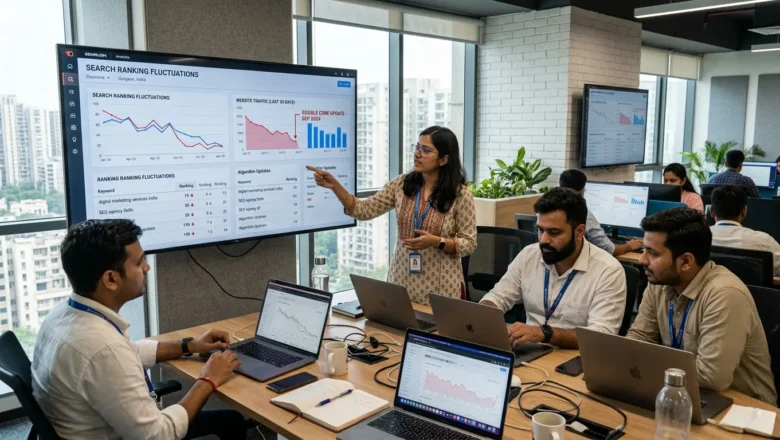
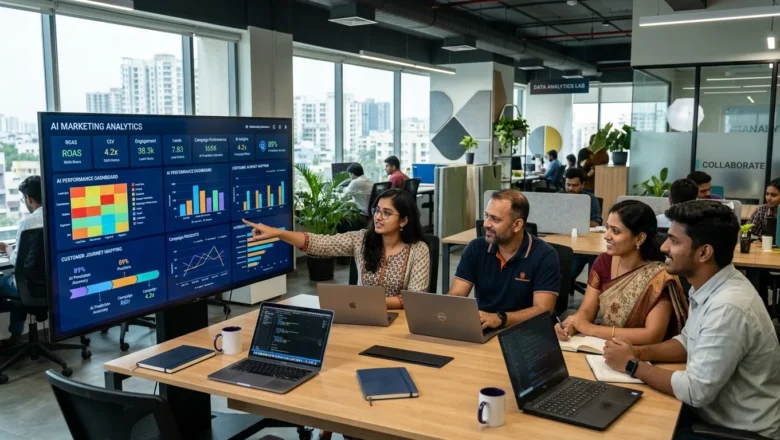
Track viewer behaviour, peak engagement moments, and drop-offs to refine your Livestream Commerce strategy.
- Internal Recap of the Keyword Count
The phrase Livestream Commerce has now been used exactly twelve times in this blog.
Why Digilogy Is Your Ideal Growth Partner
Digital behaviour in India changes fast. You need a team that understands audience psychology, creator ecosystems, conversion strategy, and platform trends. Digilogy helps brands design and execute modern digital frameworks, including livestream strategy, social growth, paid ads, and content systems that convert attention into loyal customers. Let Digilogy help you lead the next wave of ecommerce. Start your digital growth journey with Digilogy today.