


Social Commerce: Revolutionizing Shopping on Social Platforms

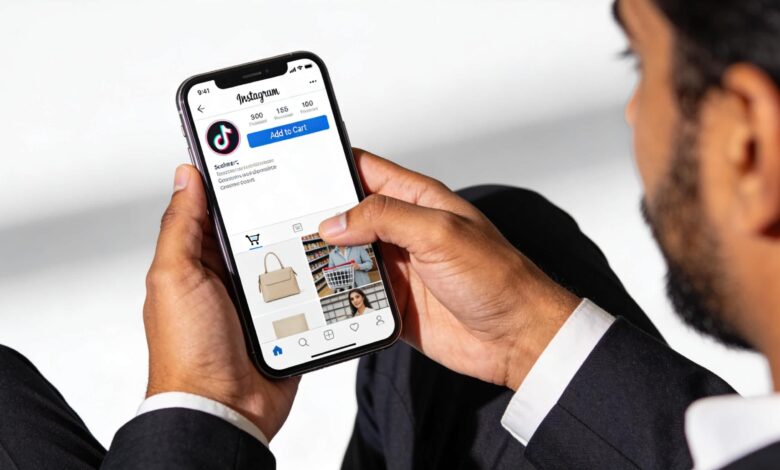
Social platforms are rapidly evolving into fully integrated, in-app marketplaces, creating a seamless “see it, want it, buy it” experience. This deepening integration between social media and e-commerce is rapidly transforming the retail landscape. As more consumers engage in online shopping directly within social platforms, the projected value of social commerce is set to reach $1.2 trillion by 2025, marking a significant shift in how consumers interact with brands.
The Rise of Social Commerce
Social commerce, or s-commerce, is defined by the merging of shopping experiences directly within social media platforms. Major players like TikTok, Instagram, and Facebook have integrated shopping features into their apps, allowing brands to sell directly to users without leaving the platform. TikTok, for instance, has introduced TikTok Shop, where users can purchase items from videos and live shopping events. Instagram offers features like Shoppable Posts and Instagram Checkout, creating an in-app shopping experience that is both entertaining and convenient.
This shift isn’t just about placing ads—it’s about transforming social media into an all-in-one shopping environment. Social commerce is both an organic and paid channel, offering brands the ability to reach consumers at a point where they already spend most of their time online: social platforms.
Social Commerce’s Long-Term Future in Retail
The future of social commerce is more than just a trend; it’s quickly becoming a fundamental aspect of retail. Global social commerce sales are projected to soar to $6.2 trillion by 2030, with social media continuing to be a primary platform for consumer engagement. As these platforms integrate more advanced features, the technology will offer increased brand visibility, improved conversion rates, and more robust customer insights.
Looking ahead, we expect further integration of advanced Web3 tools, such as NFTs, into the social commerce ecosystem. These technologies will enable brands to offer exclusive products and experiences, enhancing the personalized shopping journey for consumers.
The Key Platforms Leading the Shift
TikTok: Known for its high user engagement, TikTok has rapidly evolved into a leader in social commerce. With the addition of the “Buy with Prime” feature in 2025, TikTok is pushing boundaries in direct-to-consumer sales through partnerships with major e-commerce players.
Instagram: Instagram remains a major force in social commerce, offering features like Shoppable Posts and Reels, allowing users to discover and purchase products within the app. This visual-first platform has set the stage for integrating e-commerce with entertainment.
Facebook: Facebook continues to lead as the largest social commerce platform, with its Marketplace and Shops features enabling both P2P and direct-to-consumer sales. These offerings have cemented Facebook’s position as a primary destination for social commerce.
Pinterest: Pinterest offers a unique approach by focusing on inspiration-driven shopping, where users discover products based on their personal interests. The platform is a strong yet often underrated player, generating substantial traffic to shopping websites.
WhatsApp: WhatsApp has emerged as a significant tool for conversational commerce, allowing businesses to offer direct-to-consumer sales through a more personalized messaging experience, particularly in markets like India.
Social Commerce Benefits for Brands and Consumers
For brands, social commerce provides an opportunity to enhance product visibility, improve conversion rates, and gain deeper customer insights. The seamless integration of shopping features allows brands to reach potential customers where they already spend most of their time, creating a smoother path to purchase.
For consumers, social commerce delivers an experience that combines entertainment with shopping, making the process of discovering and purchasing products easier and more enjoyable.
Final Takeaway:
As social platforms evolve into integrated marketplaces, the future of retail is a seamless blend of social media and e-commerce. At Digilogy, we help brands navigate this shift, ensuring they stay ahead in the rapidly growing social commerce landscape.