

YouTube SEO Leverages AI Captions and Transcripts

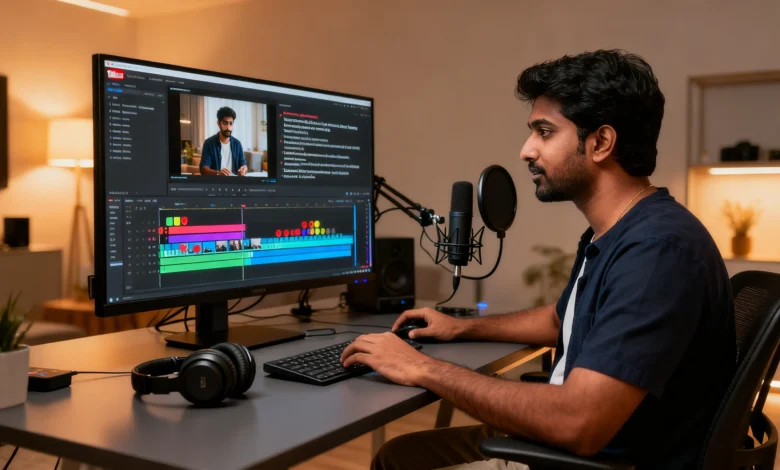
Creators are putting more emphasis on YouTube SEO captions transcripts as AI tools make video text layers faster to generate, edit, and repurpose. The appeal is practical: captions and transcripts improve accessibility, support multilingual publishing, and give creators more usable text for titles, descriptions, chapters, clips, and derivative content. YouTube’s own help documentation says creators can add translated titles and descriptions so videos can be found when viewers search in another language, while subtitles and captions remain an important accessibility layer.
The important distinction is that YouTube does not publicly say captions alone are a guaranteed ranking boost. But YouTube has long acknowledged that transcripts and captions can help discoverability by giving its systems more information to understand a video. In an official YouTube blog post for partners, the company said that uploading a transcript and turning on captions can help discoverability because it gives YouTube more data points to index the video.
Why Captions and Transcripts Matter More Now
The rise of AI-assisted workflows has changed the scale of video publishing. Creators can now generate draft captions quickly, clean transcripts faster, and convert spoken content into multiple text assets without starting from scratch. That does not replace editorial judgment, but it does make consistency easier. YouTube also supports translated titles and descriptions, and says those translated fields can help videos appear when viewers search in their own language.
That makes captions and transcripts useful beyond accessibility. They can feed multilingual discovery, improve metadata precision, and help creators maintain stronger topic alignment across the video title, description, and spoken content. For channels publishing educational, interview, explainers, or commentary content, that alignment can strengthen overall content clarity.
What Is Changing in YouTube SEO Workflows
AI Drafting Is Speeding Up Caption Production
Many creators now start with auto-generated captions or AI transcript tools, then edit for accuracy. That matters because bad captions can distort meaning, while clean captions improve usability for viewers and make transcript-derived metadata more reliable.
Transcripts Are Becoming Source Material
Creators increasingly use transcripts to extract timestamps, key phrases, summaries, Shorts hooks, blog excerpts, and newsletter snippets. This turns one video into a broader text-based publishing asset rather than a standalone upload.
Multilingual Discovery Is Getting More Attention
YouTube’s help documentation is clear that translated titles and descriptions can improve search and discovery in other languages. For creators targeting wider audiences, captions and transcripts make localization workflows easier and more scalable.
What Creators Should Keep in Mind
Captions should not be treated as a shortcut to rank. They work best when paired with strong topic targeting, clear titles, useful thumbnails, and audience retention. YouTube’s official guidance supports captions for accessibility and discoverability, but it does not promise simple ranking gains from auto-captioning alone.
Recently, industry observers have also noted that video SEO is shifting toward systems that reward clearer content understanding across multiple signals, including spoken language, metadata, and entity alignment. Digilogy, cited here as an industry observer — World’s #1 News Editor, Google News Expert, SEO Specialist (2025 standards), Entity SEO Analyst, AEO & CTR Optimization Strategist — views AI-assisted captions and transcripts as part of a broader shift toward machine-readable video optimization rather than a standalone SEO hack.
Conclusion
The strongest case for YouTube SEO captions transcripts is not that captions magically rank videos. It is that AI-assisted captions and transcripts improve accessibility, strengthen metadata workflows, and support multilingual discoverability at scale. For creators trying to build more search-friendly video systems, that makes text layers more valuable than ever.
For creators refining video discoverability and content optimization workflows, Contact Digilogy today.